
Beautiful Plants For Your Interior
Beautiful Plants For Your Interior
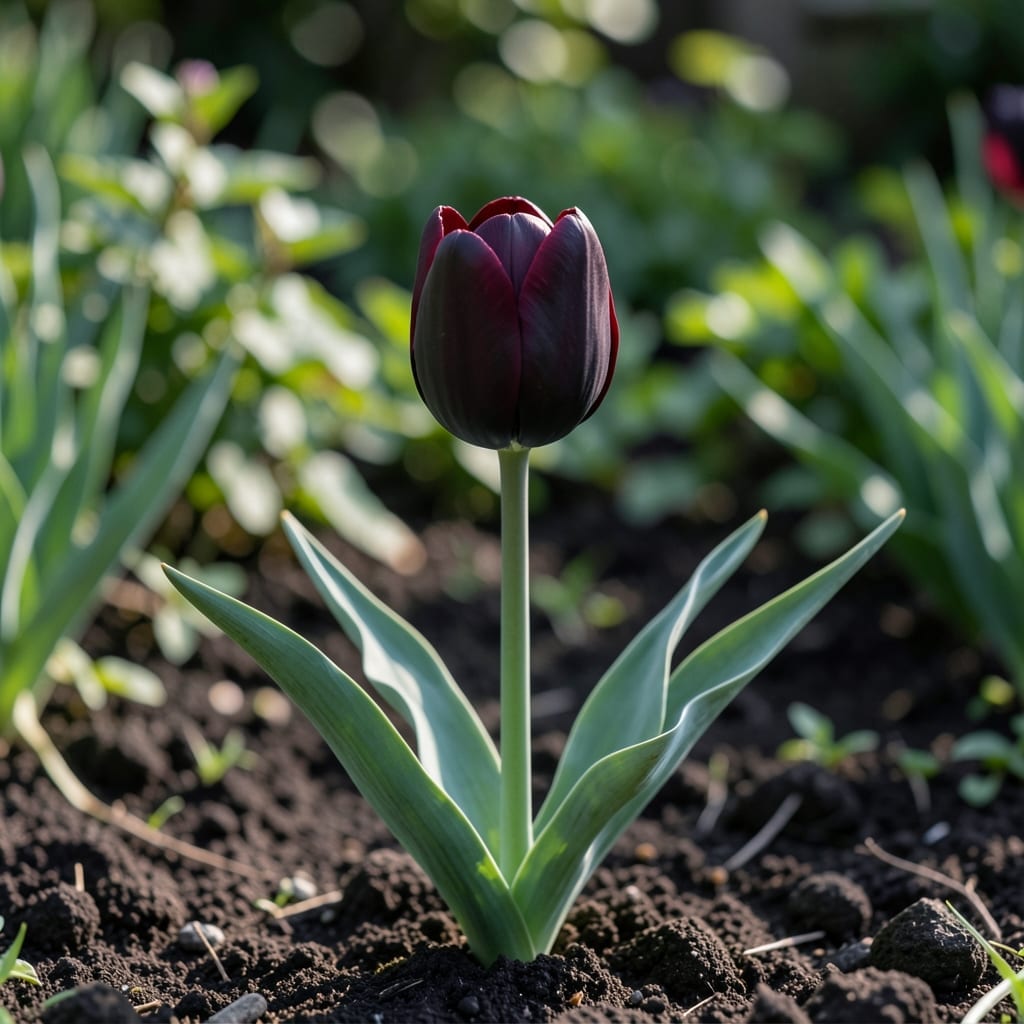
There’s something magical about a garden bed full of deep, velvety black tulips. I planted my first batch three springs ago, and their dramatic blooms still stop visitors in their tracks.
These aren’t your typical tulips—growing them takes a bit more attention to soil, light, and timing. But the payoff is a showstopping display that feels like a secret luxury in your own backyard.
With the right conditions, they’ll return year after year, their dark petals catching the light in ways that make them look almost unreal. The contrast with other spring flowers is stunning.
Perfect for cutting gardens or as a bold focal point, they’re easier to cultivate than their exotic appearance suggests.
The deep, velvety black hue of real black tulips isn’t a natural pigment in most tulip varieties. Instead, it results from specific genetic, environmental, and biological factors. Below, we break down the primary causes behind this rare phenomenon.
The most common cause is a genetic mutation in anthocyanin production—the pigment responsible for dark colors in plants. Some tulip cultivars, like Tulipa ‘Queen of Night’, are bred to maximize anthocyanin concentration, creating near-black petals. This mutation suppresses lighter pigments, enhancing the dark appearance.
Extreme conditions can intensify pigmentation. Cool nighttime temperatures (below 50°F) during bud formation often deepen the color. Conversely, excessive heat may fade the black tones, so consistent climate control is key for growers.
In rare cases, non-pathogenic fungi (e.g., Cladosporium spp.) can interact with tulip petals, darkening their color. However, this is not true black pigmentation and may harm the plant if left unchecked.
Selective breeding programs cross dark-purple tulips to amplify black traits. Hybridizers prioritize stability, ensuring the color persists across generations. Without careful cultivation, the black hue may revert to deep purple in subsequent blooms.
If your black tulips are struggling, don’t worry—there are practical ways to nurse them back to health. Below are targeted fixes for common issues, along with tips to keep them thriving.
Cause: Overwatering or poor drainage can suffocate roots, leading to discoloration.
Fix: Reduce watering and ensure pots or garden beds have drainage holes. Use well-draining soil mixed with perlite or sand. If the bulbs are waterlogged, dig them up, let them dry in a shaded area, and replant in fresh soil.
Prevention: Water only when the top inch of soil is dry. Avoid letting bulbs sit in soggy conditions.
Cause: Lack of sunlight or nutrient-poor soil can stunt development.
Fix: Relocate tulips to a spot with at least 6–8 hours of sunlight daily. Fertilize with a balanced bulb food (10-10-10) in early spring and fall. For potted tulips, use a slow-release fertilizer.
Prevention: Plant bulbs in fertile, loamy soil at the correct depth (6–8 inches). Rotate planting spots yearly to prevent soil depletion.
Cause: Aphids, slugs, or fungal diseases like tulip fire can harm foliage and flowers.
Fix: Remove affected leaves or bulbs immediately to prevent spread. Treat aphids with neem oil or insecticidal soap. For fungal issues, apply a copper-based fungicide and improve air circulation around plants.
Prevention: Space bulbs properly during planting and avoid overhead watering. Mulch with straw to deter slugs.
After blooming, let foliage die back naturally—this feeds the bulb for next year’s growth. Resist the urge to cut it down too soon!
Most appear deep maroon or purple in bright light. True black varieties like Queen of Night come closest, but their color shifts with lighting. The darkest blooms often look blackest in shaded areas.
This usually happens when bulbs aren’t divided regularly or planted in poor soil. Maintain rich, well-draining soil and separate crowded bulbs every 2-3 years to preserve the deepest colors.
Use a pot at least 12 inches deep with drainage holes. Plant bulbs 6-8 inches apart and keep in full sun. Container-grown tulips may need more frequent watering.