
Beautiful Plants For Your Interior
Beautiful Plants For Your Interior
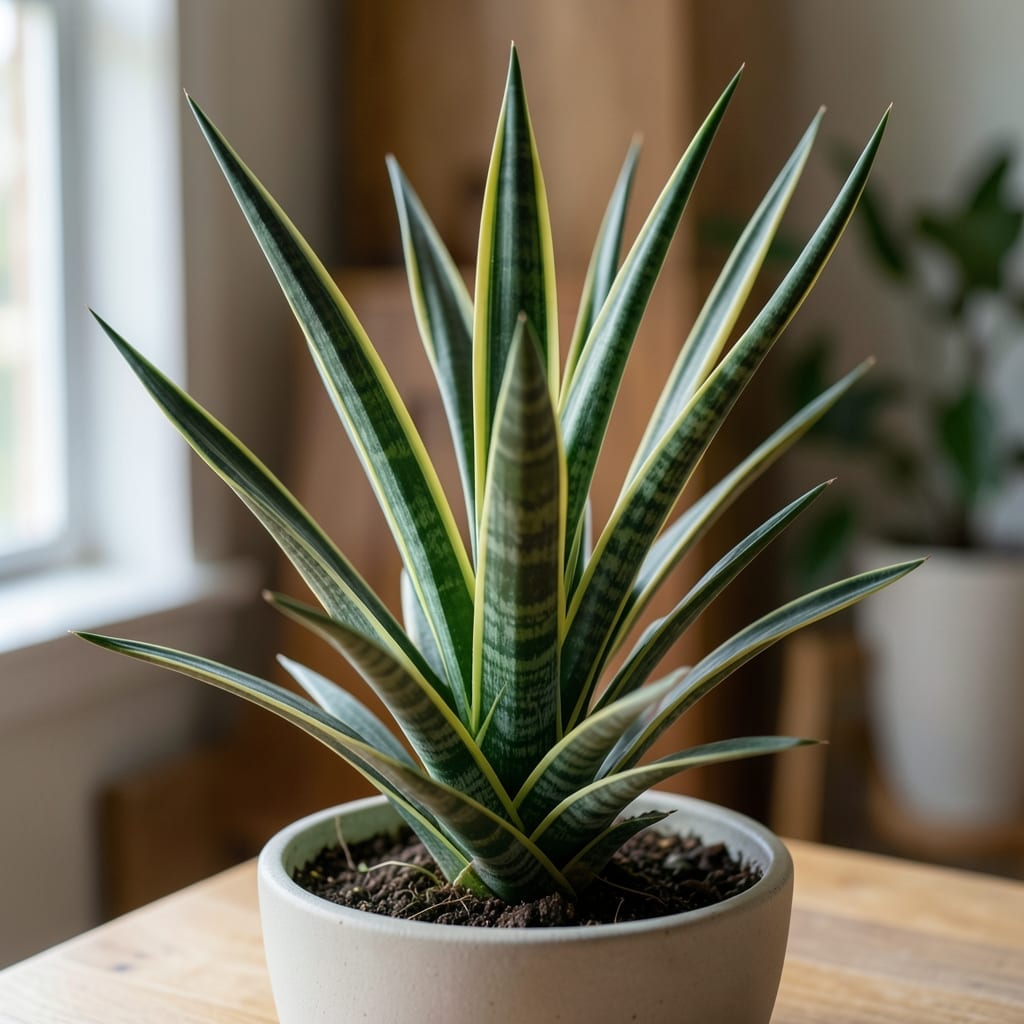
My rattlesnake plant’s leaves curled overnight, and I panicked. Turns out, it’s usually trying to tell you something about its environment.
Most often, it’s a humidity issue—these tropical natives need moist air to stay happy. Low light can also cause stress, leading to those sad, curled edges.
Once I adjusted the humidity and moved it to brighter, indirect light, the new growth came in sleek and flat. The recovery took about 2 weeks.
Don’t ignore pests either—spider mites love dry conditions and can cause similar symptoms. A quick wipe with soapy water usually does the trick.
Rattlesnake plant leaves curl primarily due to environmental stress or care imbalances. This tropical beauty thrives in specific conditions, and even minor deviations can trigger a defensive response. Below are the most common causes, explained with actionable insights.
Native to the Brazilian rainforest, Calathea lancifolia (rattlesnake plant) requires 60–80% humidity to maintain turgor pressure in its leaves. When ambient humidity drops below 50%, the plant loses moisture faster than it can absorb it, causing edges to curl inward to reduce surface area and slow water loss. This is a classic xeromorphic adaptation—a survival tactic to conserve hydration.
Underwatering leads to dehydration, prompting leaves to curl as the plant prioritizes water retention in its roots and stem. Conversely, overwatering suffocates the roots, preventing oxygen uptake and nutrient transport. This triggers root rot, where damaged roots fail to supply water, again resulting in curling as a stress signal.
Rattlesnake plants prefer bright, indirect light (1,000–2,000 foot-candles). Direct sunlight scorches the leaves, causing photoinhibition—a process where light energy overwhelms the plant’s photosynthetic capacity, leading to cellular damage and curling. On the other hand, low light starves the plant of energy, weakening cell structure and causing leaves to curl upward as they stretch toward the light source.
Temperatures below 60°F (15°C) or above 85°F (29°C) disrupt the plant’s metabolic processes. Cold drafts (e.g., near AC vents or windows) cause chilling injury, while heat stress accelerates transpiration. Both extremes force leaves to curl to minimize exposure and protect vital tissues.
Tap water with high chlorine, fluoride, or dissolved salts can accumulate in the soil, leading to toxic ion buildup. This interferes with the plant’s ability to absorb water and nutrients, causing osmotic stress. As a result, leaves curl to reduce water loss through transpiration.
Reviving your rattlesnake plant starts with pinpointing the issue and applying the right fix. Below are targeted solutions for common causes, paired with prevention tips to keep those leaves lush and unfurled.
If the soil is bone-dry, give your plant a thorough drink. Submerge the pot in a basin of room-temperature water for 10–15 minutes, allowing the roots to absorb moisture evenly. Prevention tip: Check the top inch of soil weekly—if it’s dry, it’s time to water. 💡
Stop watering immediately and let the soil dry out. Trim any mushy, black roots and repot in fresh, well-draining soil if root rot is present. Prevention tip: Use a pot with drainage holes and a moisture meter to avoid guesswork. ✨
Move your plant to bright, indirect light—think an east-facing window or a spot a few feet away from a south/west window. If leaves feel crispy, mist them lightly to restore moisture. Prevention tip: Rotate the pot quarterly for even light distribution. 🌡️
Group your rattlesnake plant with other houseplants or place it on a pebble tray filled with water. For a quick fix, mist the leaves 2–3 times a week. Prevention tip: Invest in a humidifier for consistent 50–60% humidity. 🎯
Wipe leaves with a damp cloth to remove spider mites or aphids, then apply neem oil or insecticidal soap. Isolate the plant to prevent spreading. Prevention tip: Inspect leaves weekly and keep new plants quarantined for 2–3 weeks. 🔥
With these fixes, your rattlesnake plant’s leaves should perk up in 1–2 weeks. Stay consistent, and your plant will reward you with vibrant, unfurled foliage!
Mist your plant 2-3 times per week if humidity is below 50%. For best results, use room-temperature water in the morning. This helps prevent moisture loss without oversaturating the leaves.
Avoid tap water if it’s hard or chlorinated. Let it sit out for 24 hours to allow chlorine to evaporate, or use filtered water. Mineral buildup from poor water can cause leaf curling over time.
Look for crispy leaf edges or fading color. Move it to a spot with bright, indirect light if you notice these signs. Direct sun, especially afternoon rays, is usually too harsh.
Keep your rattlesnake plant between 65-80°F during the day and above 60°F at night. Avoid cold drafts from windows or AC vents, which can stress the plant.