
Beautiful Plants For Your Interior
Beautiful Plants For Your Interior
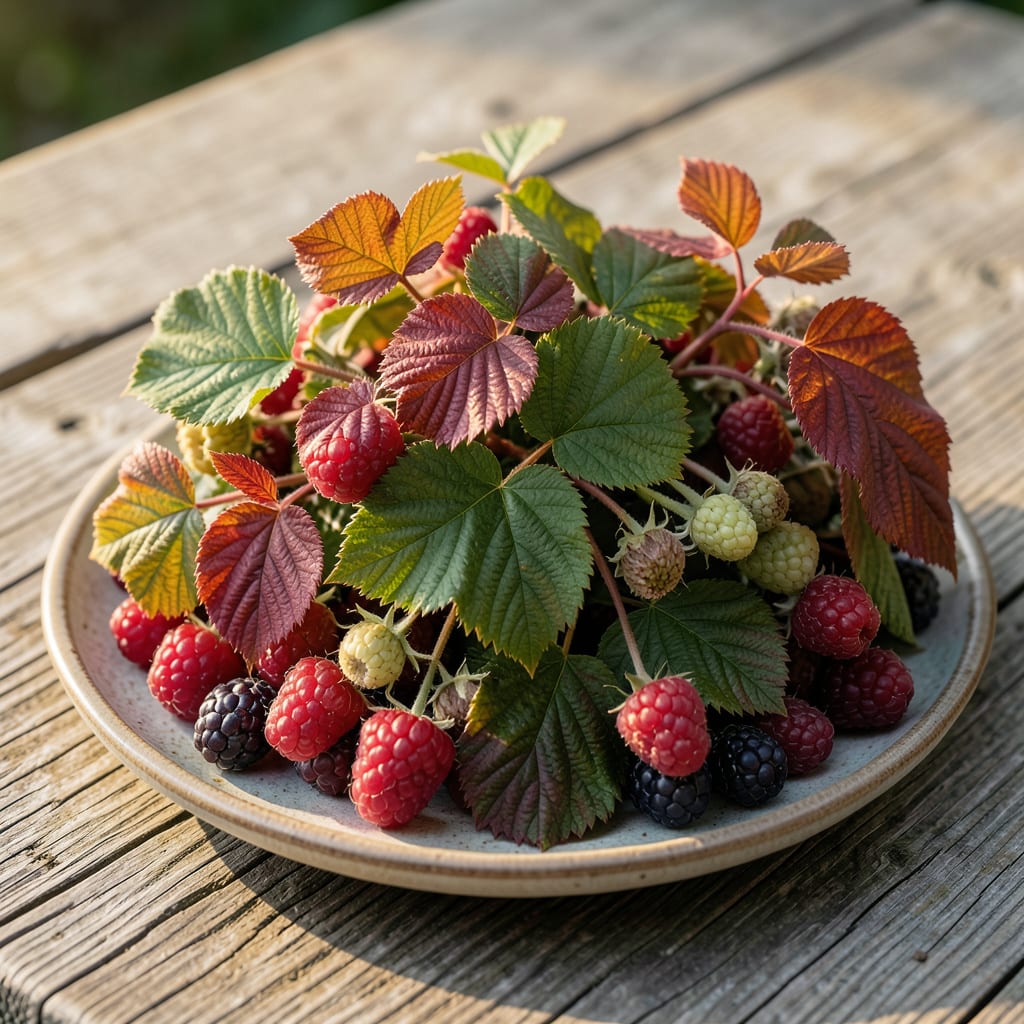
Red raspberry leaves had me panicking last season. 🌱 Turns out, it’s not always bad news—sometimes it’s just fall colors arriving early.
Most often, it signals nutrient stress or environmental shock. I’ve seen phosphorus deficiency turn leaves purple-red, while too much sun can scorch them crimson. The pattern tells the story.
Solutions range from soil testing to shade cloth. My canes bounced back within 2 weeks once I adjusted their care. The key is matching symptoms to fixes.
Works for summer-bearing and ever-bearing varieties alike. Here’s how to diagnose yours.
Raspberry leaves turning red can signal several underlying issues, each with distinct triggers. Here’s a breakdown of the most common causes:
Extreme temperatures, especially cold snaps or heatwaves, can stress raspberry plants, leading to anthocyanin buildup—a pigment that turns leaves red. This is a survival mechanism to protect cells from damage. Drought or waterlogging can also trigger this response by disrupting nutrient uptake.
A lack of phosphorus (P) or potassium (K) often causes reddening, particularly in older leaves. Phosphorus deficiency stunts growth and darkens leaves, while potassium shortages lead to marginal reddening (edges turn red first). A soil test can confirm imbalances—amend with bone meal (for P) or wood ash (for K) as needed.
Fungal infections like Verticillium wilt or Phytophthora root rot disrupt water and nutrient flow, causing leaves to redden before wilting. Check for dark streaks in stems or root rot and treat with fungicides or improve drainage.
In fall, cooler temperatures and shorter days naturally trigger chlorophyll breakdown, revealing red pigments (anthocyanins) in some raspberry varieties. This is normal and harmless—no action is needed unless leaves redden prematurely.
Actionable tip: Rule out stress and deficiencies first—seasonal color changes are the only benign cause!
If your raspberry leaves are turning red, addressing the underlying cause quickly can restore plant health. Below are targeted solutions for each common issue, along with prevention tips to keep your bushes thriving.
Fix: Test your soil with a kit to confirm deficiencies. For nitrogen lack, apply a balanced fertilizer (10-10-10) or organic options like compost or fish emulsion. For phosphorus or potassium shortages, use bone meal or wood ash, respectively. Always follow package instructions to avoid over-fertilizing.
Prevention: Enrich soil annually with compost and rotate crops to prevent nutrient depletion. Mulch with straw to retain moisture and nutrients.
Fix: Shield plants from extreme temperatures. Use shade cloth during heatwaves and mulch heavily (2–3 inches) to insulate roots in cold snaps. Water deeply in the early morning to reduce heat stress.
Prevention: Plant raspberries in a location with partial afternoon shade in hot climates. Choose cold-hardy varieties if frost is a concern.
Fix: Check soil moisture 1–2 inches deep—it should feel like a damp sponge. If soggy, improve drainage by amending soil with sand or perlite. If dry, water deeply 1–2 times per week, depending on rainfall.
Prevention: Install drip irrigation for consistent moisture. Avoid overhead watering to prevent fungal issues.
Fix: Prune and remove infected leaves immediately to stop the spread. Apply a copper-based fungicide or neem oil, following label instructions. Ensure good air circulation by thinning crowded canes.
Prevention: Space plants 2–3 feet apart and water at the base. Clean up fallen leaves and debris regularly to reduce fungal spores.
With these steps, your raspberry plants should regain their green vigor. Act at the first sign of reddening for the best results!
No, seasonal changes in fall naturally turn some varieties red. But premature reddening usually signals stress.
Older leaves turn red first with phosphorus or potassium shortages. A soil test confirms the issue. Amend with bone meal or wood ash.
Yes, soggy soil prevents nutrient uptake, leading to reddening. Ensure proper drainage and water only when soil feels dry 1-2 inches down.
Remove infected leaves immediately to stop spread. Combine with copper fungicide and improve air circulation by thinning canes.
