
Beautiful Plants For Your Interior
Beautiful Plants For Your Interior
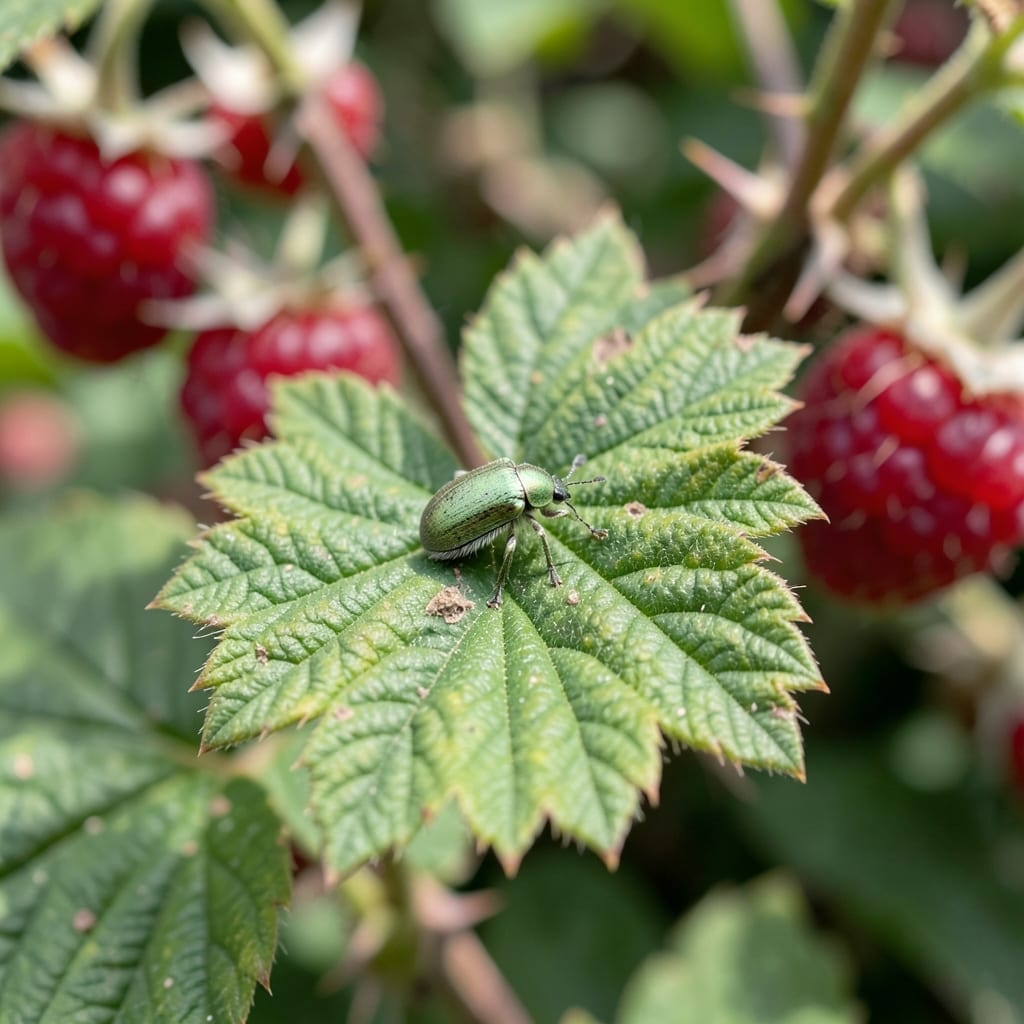
My raspberry patch went from thriving to tragic in one season. Tiny beetles had turned the fruit into a squishy, inedible mess before I realized what was happening.
Here’s the thing—raspberry beetle damage starts small: brown patches on leaves, wilted canes, and berries that look fine until you pick them. By then, the larvae are already inside, turning your harvest into compost.
I stopped the cycle with a mix of early monitoring and simple traps. The key is catching adults before they lay eggs in your fruit.
Works for summer-bearing and ever-bearing varieties. Let’s save your harvest.
The Byturus tomentosus, or raspberry beetle, causes damage primarily due to the feeding habits of its larvae and adults. Understanding these causes helps in targeting prevention effectively.
Raspberry beetle larvae are the most destructive stage. After hatching, they burrow into raspberry fruits, feeding on the receptacle and developing drupelets. This internal feeding leads to premature fruit rot, crumbly texture, and secondary fungal infections. The larvae’s presence also makes the fruit unmarketable and inedible.
Adult beetles emerge in spring and feed on raspberry blossoms. They chew the petals, stamens, and pistils, reducing pollination success. This results in poor fruit set and misshapen berries. Adults may also feed on young leaves, causing minor defoliation.
Raspberry beetles overwinter as adults in the soil beneath raspberry canes. When temperatures rise in spring, they emerge to lay eggs at the base of flowers. Poor garden hygiene—such as leaving plant debris or fallen fruit—provides ideal hiding spots, increasing infestation risk the following season.
Large, monoculture raspberry patches create an ideal environment for beetle populations to thrive. Without diverse planting or natural predators (like ground beetles or parasitic wasps), raspberry beetles face little resistance, leading to rapid infestation and widespread damage.
Tackling raspberry beetle damage starts with targeted action. Below are practical fixes for common causes, paired with prevention tips to keep your raspberry plants thriving. 🌱
Inspect your raspberry canes early in the morning when beetles are less active. Wear gloves and drop beetles into a bucket of soapy water. For larger infestations, set up yellow sticky traps near the plants to catch adults. Prevention tip: 💡 Remove plant debris and weeds around the garden to eliminate hiding spots.
If you notice small, white larvae inside raspberries, prune and destroy infested fruit immediately to prevent further spread. Check canes for wilting or discolored berries, as these are signs of internal damage. Prevention tip: ✨ Rotate crops annually and avoid planting raspberries in the same spot to disrupt the beetle life cycle.
Raspberry beetle pupae often overwinter in the soil. Lightly cultivate the top 2–3 inches of soil in late fall or early spring to expose and dry out pupae. Prevention tip: 🎯 Apply a layer of organic mulch (like straw) after cultivation to deter beetles from laying eggs near the base of plants.
For severe cases, spray neem oil on canes and foliage, focusing on the undersides of leaves where beetles lay eggs. Apply in the evening to avoid harming pollinators. Reapply every 7–10 days or after rain. Prevention tip: 🌡️ Encourage beneficial insects like ladybugs and lacewings by planting companion flowers (e.g., marigolds or yarrow).
Adults are small, about 1/4 inch long, with a grayish-brown body covered in fine hairs. They’re often found on blossoms in spring.
Begin checking plants in early spring when buds form. Look for adults on blossoms and larvae in fruit by early summer.
No, neem oil is safe for raspberries when used as directed. Apply in the evening and avoid spraying during bloom to protect pollinators.
No, once larvae are inside, the fruit is inedible. Remove and destroy infested berries immediately to prevent further spread.