
Beautiful Plants For Your Interior
Beautiful Plants For Your Interior
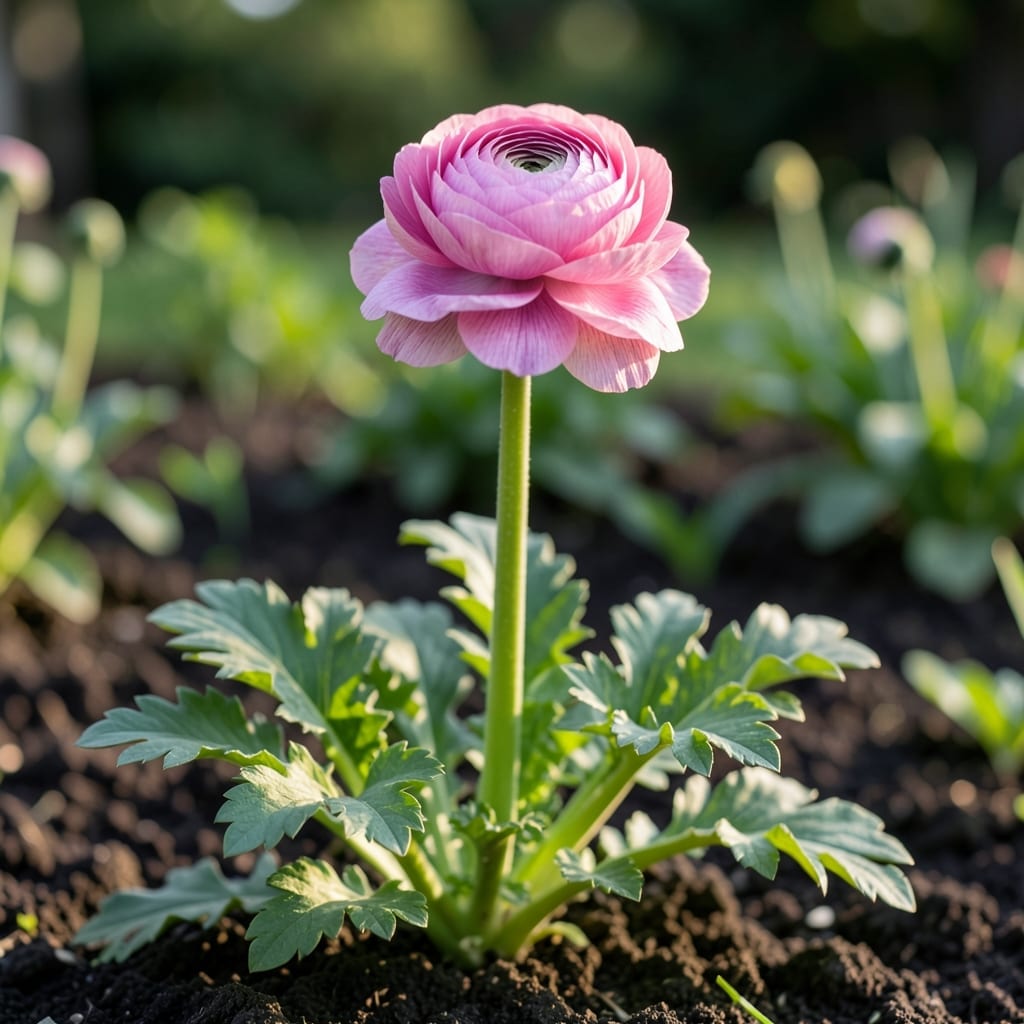
Timing is everything when growing Ranunculus 🌸, and planting during the right season makes all the difference. These beautiful flowers can transform your container garden with their vibrant, layered blooms.
I’ve learned that getting the season right means longer-lasting color and healthier plants. Whether you’re in zone 6 or adjusting for your local climate, the window for success is narrower than you might think.
What many don’t realize is that Ranunculus thrives with a strategic approach to seasonal care. From soil prep to watering schedules, each step builds toward that perfect bloom.
Discover how to align your planting with nature’s rhythm for the most stunning results. Let’s make this your best growing season yet.
The ranunculus growing season hinges on timing. In cold climates like USDA zones 6-7, plant corms in early spring after the last frost, usually March to April. This ensures the soil is warm enough for growth.
For warmer regions in zones 8-10, fall planting works best. Aim for September to October to avoid summer heat. The corms need cool soil to establish before winter dormancy.
| Region | Planting Time | Soil Temp |
|---|---|---|
| Zones 6-7 | March-April | 50-60°F |
| Zones 8-10 | September-October | 55-65°F |
In mild coastal areas, you can plant in late fall for early spring blooms. The consistent moisture and moderate temperatures create ideal growing conditions for ranunculus.
For container gardens, start corms indoors in February for a head start. Use well-draining pots and place them in a sunny window. Transplant outdoors when temperatures rise.
Soil temperature is critical. Use a soil thermometer to check. If the soil is below 50°F, wait to plant. Cold soil can cause corms to rot before sprouting.
🌱Spring planting in colder zones often yields May to June blooms. In warmer areas, fall planting can produce flowers as early as February. This timing varies by local climate.
If you miss the ideal window, don’t worry. Ranunculus can still thrive with a little extra care. Just ensure the corms are soaked for 3-4 hours before planting to rehydrate them.
☀️For extended blooming, consider succession planting. Plant a new batch of corms every 2-3 weeks to enjoy continuous flowers throughout the growing season.
Remember, ranunculus prefers full sun but can tolerate partial shade in hotter climates. Adjust your planting location based on your region’s summer temperatures.
🌷To maximize your ranunculus blooms, focus on key seasonal factors like sunlight exposure and soil conditions. These flowers need 6+ hours of direct sun daily for vibrant, long-lasting blooms.
Consistent moisture levels are critical—1 inch of water weekly keeps roots happy without waterlogging. Well-draining soil prevents rot, especially during cooler months. 🌸
Monitoring temperature swings is also vital. Ranunculus prefers 50-65°F soil for corm activation. In warmer zones, plant in fall for spring blooms.
For pest prevention, inspect leaves weekly for aphids or powdery mildew. Early intervention with organic sprays keeps plants healthy. ✂️
Don’t forget fertilizer—a high-phosphorus feed every 4-6 weeks boosts blooms. Apply in early morning for best absorption.
Finally, deadhead spent flowers to encourage new buds. This simple step extends your ranunculus blooming season significantly. 🌷