
Beautiful Plants For Your Interior
Beautiful Plants For Your Interior
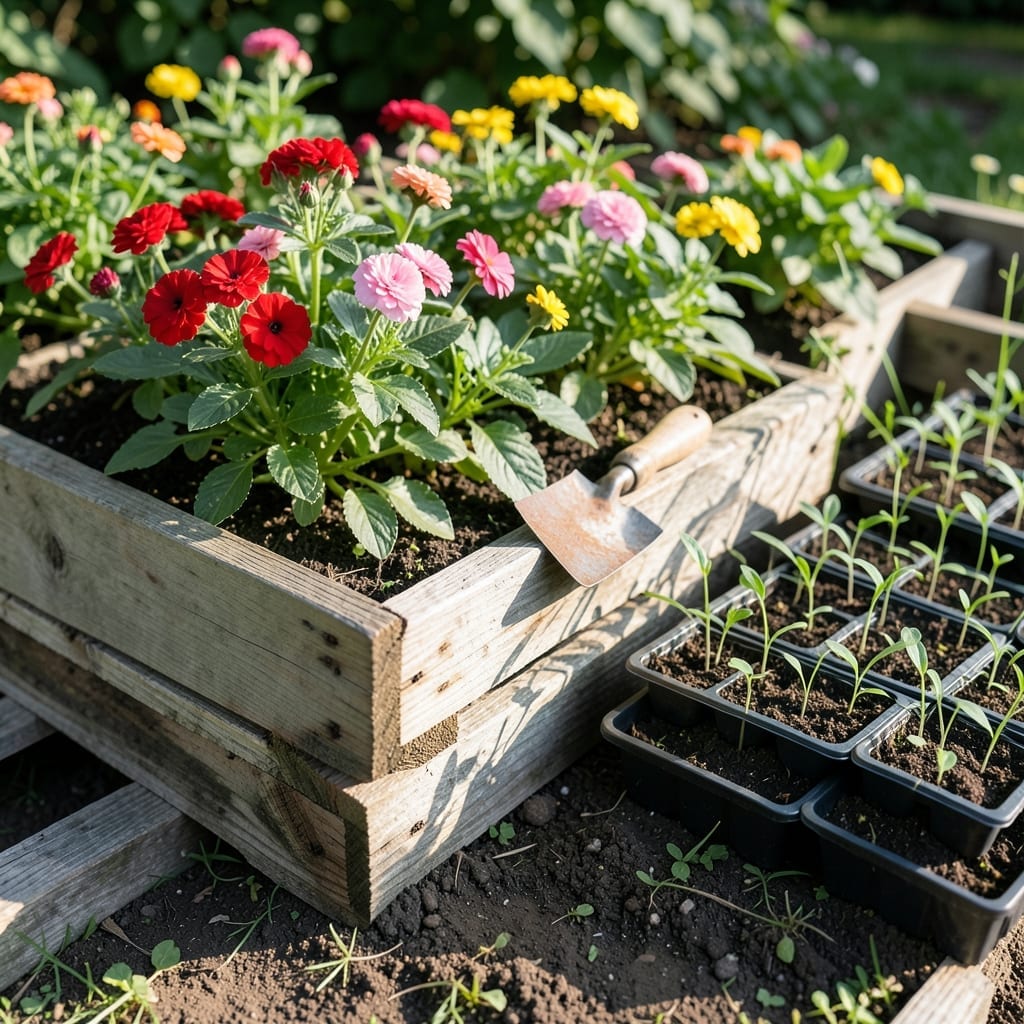
Imagine transforming your outdoor space with easy DIY raised beds that cost almost nothing. Pallets offer a simple, eco-friendly way to create charming garden structures that elevate your 🌸 Flower display.
I discovered this method when I wanted to add dimension to my garden without breaking the bank. The results were stunning – and far easier than I expected.
Whether you’re a beginner or seasoned gardener, these pallet beds solve common issues like poor soil and back strain. Plus, they add instant rustic appeal to any yard.
Discover how to build your own in just a weekend. I’ll walk you through every step, from selecting pallets to planting your first 🌸 Flower.
Building raised flower beds from pallets is a fantastic way to create a budget-friendly garden with a rustic look. I love how upcycled pallets can transform unused space into a thriving garden. This project is perfect for beginners and experienced gardeners alike. 🌱
Before you start, gather untreated pallets to avoid chemicals leaching into your soil. Look for heat-treated pallets marked with HT to ensure safety. You’ll also need basic tools like a saw, drill, and screws for assembly. ✂️
When disassembling pallets, I recommend wearing protective gloves and safety goggles. Some pallets can be tricky to take apart, so take your time to avoid splinters or injuries. It’s also a good idea to sand the wood to smooth rough edges before assembly. 🌿
For the frame assembly, use 2-3 inch screws to ensure the structure holds up over time. If you’re building a taller bed, consider adding middle supports to prevent bowing. I like to pre-drill holes to make screwing easier and avoid splitting the wood. 🪴
Once your frame is ready, line the bottom with landscape fabric to keep weeds out while allowing drainage. Then, add a 2-inch layer of gravel at the bottom for better water flow. This step is crucial for preventing root rot in your flowers. ☀️
Fill the bed with a mix of garden soil and compost for rich, fertile ground. I’ve found that a 60-40 ratio of soil to compost works well for most flowers. If you’re planting perennials, add some slow-release fertilizer to support long-term growth. 🌻
Finally, choose flowers suited to your climate and sunlight conditions. For full sun, marigolds, zinnias, and petunias thrive in raised beds. If your garden is shadier, opt for impatiens or begonias. Water your new bed deeply after planting. 🌷
To maintain your raised bed, check the soil moisture regularly and replenish mulch as needed. Over time, the wood may weather, but that just adds to the rustic charm of your garden. With a little care, your pallet raised bed will provide years of beauty. 💧
I love using pallets for raised beds because they’re budget-friendly and eco-conscious. They give gardens a rustic charm while repurposing materials that might otherwise go to waste. But before diving in, it’s smart to weigh all the angles carefully.
On the upside, pallet raised beds are incredibly customizable. You can build them to any size or shape, and they’re perfect for small spaces or uneven terrain. Plus, they warm up faster in spring, extending your growing season.
One major concern is chemical treatments on some pallets. Always look for HT-stamped pallets (heat-treated, not chemically treated) to avoid harmful substances leaching into your soil and plants.
Durability can also be an issue. Untreated wood may rot within 5-7 years, especially in wet climates. I recommend lining the inside with landscape fabric to prolong the bed’s life and prevent soil loss.
Despite these drawbacks, I’ve found pallet beds ideal for annual flowers like marigolds or zinnias. They’re shallow-rooted and thrive in the well-draining environment raised beds provide. For perennials, consider reinforcing the structure.
With some planning, the pros far outweigh the cons. Just