
Beautiful Plants For Your Interior
Beautiful Plants For Your Interior
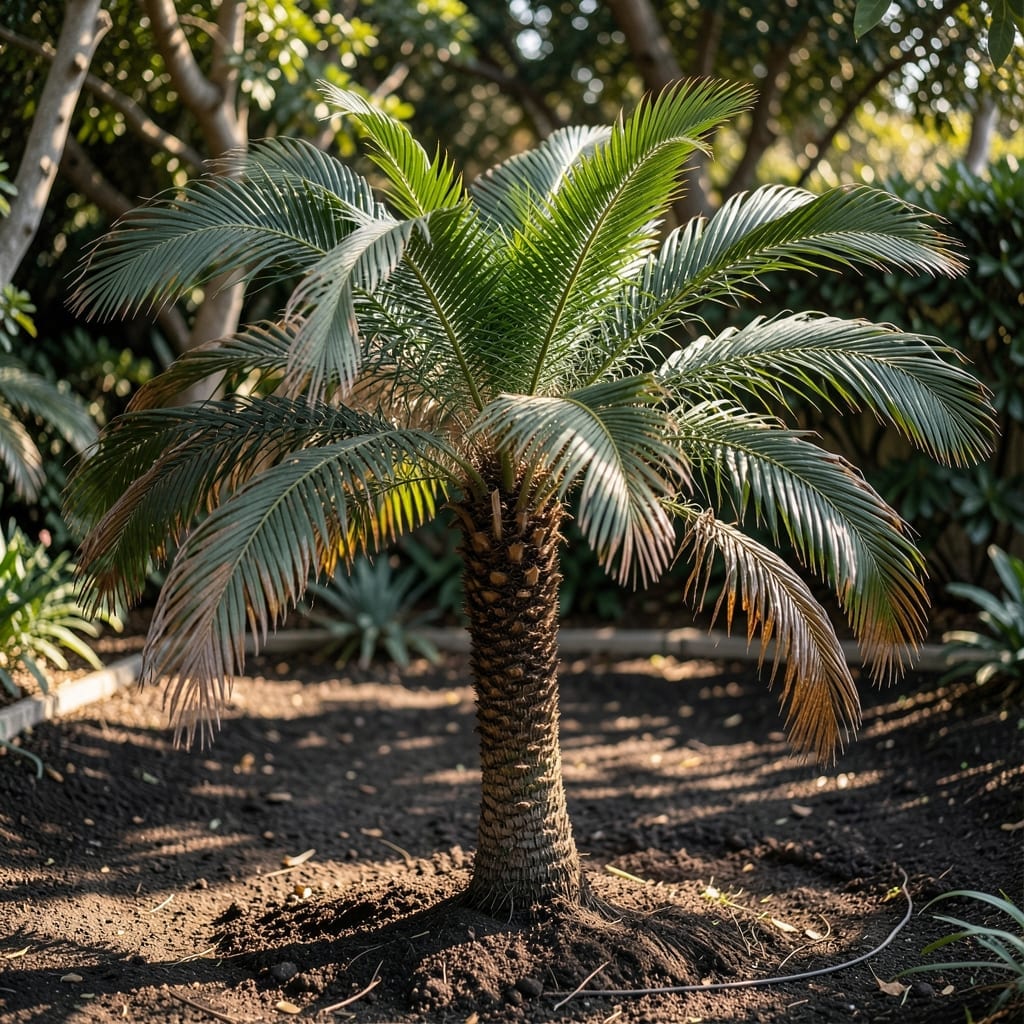
Those crispy brown tips on your pygmy date palm aren’t just ugly—they’re a cry for help. I learned the hard way that this tropical beauty reacts badly to too much direct sun, especially in the afternoon.
Between you and me, most brown tip issues come down to either sunburn or inconsistent watering. The good news is these palms are tough, and with a few adjustments, new green growth will replace the damage.
You’ll notice improvement within 2-3 weeks of moving it to dappled shade or adjusting your watering routine. The key is catching it early before the brown spreads down the fronds.
Works for potted palms on patios or those planted in landscapes. Here’s how to nurse yours back to health.
The brown tips on your pygmy date palm (Phoenix roebelenii) are a distress signal, often tied to environmental or care imbalances. Below are the most common causes, backed by horticultural science:
Pygmy date palms thrive in bright, indirect light. Direct, intense sunlight—especially in hot climates—can scorch the fronds, leading to tip burn. The plant’s chlorophyll breaks down under UV stress, causing the brown, crispy edges. This is common in south-facing windows or outdoor placements without afternoon shade.
Overwatering suffocates the roots, preventing oxygen uptake and leading to root rot. This cuts off nutrient flow to the fronds, causing tips to brown. Conversely, underwatering dehydrates the plant, forcing it to prioritize moisture for survival, often sacrificing the oldest leaves first. Aim for consistently moist but well-draining soil.
Native to tropical Southeast Asia, pygmy date palms prefer 40-60% humidity. Dry indoor air (common in winter) pulls moisture from the leaves, resulting in brown tips. Similarly, cold drafts (below 50°F/10°C) or sudden temperature drops can shock the plant, damaging leaf tissue.
Tap water high in calcium, magnesium, or chlorine can accumulate in the soil, creating toxic salt deposits. Over-fertilizing—especially with high-salt synthetic blends—has the same effect. These salts draw water out of the roots (reverse osmosis), leading to nutrient deficiencies and tip burn. Flush the soil every 2-3 months to prevent buildup.
Brown tips can signal a lack of potassium (essential for water regulation) or magnesium (critical for chlorophyll production). Yellowing may accompany the browning if deficiencies are severe. Use a balanced, palm-specific fertilizer (e.g., 8-2-12-4 with micronutrients) to address this.
Reviving your pygmy date palm starts with pinpointing the problem. Below are tailored fixes for the most common causes, along with prevention tips to keep your plant thriving.
Water when the top 1-2 inches of soil feel dry. This usually means every 5-7 days in summer and less in winter. Always check moisture first to avoid overwatering.
No, once tips turn brown, they won’t recover. Trim them off with clean shears, following the leaf’s natural shape. New green growth will replace damaged fronds with proper care.
Place near an east-facing window for gentle morning light. Avoid south-facing windows without shade. Maintain 40-60% humidity and keep away from drafts.
Hold off on fertilizer until the plant recovers. Resume with a balanced palm fertilizer at half-strength every 6-8 weeks in growing season. Over-fertilizing can worsen the problem.