
Beautiful Plants For Your Interior
Beautiful Plants For Your Interior
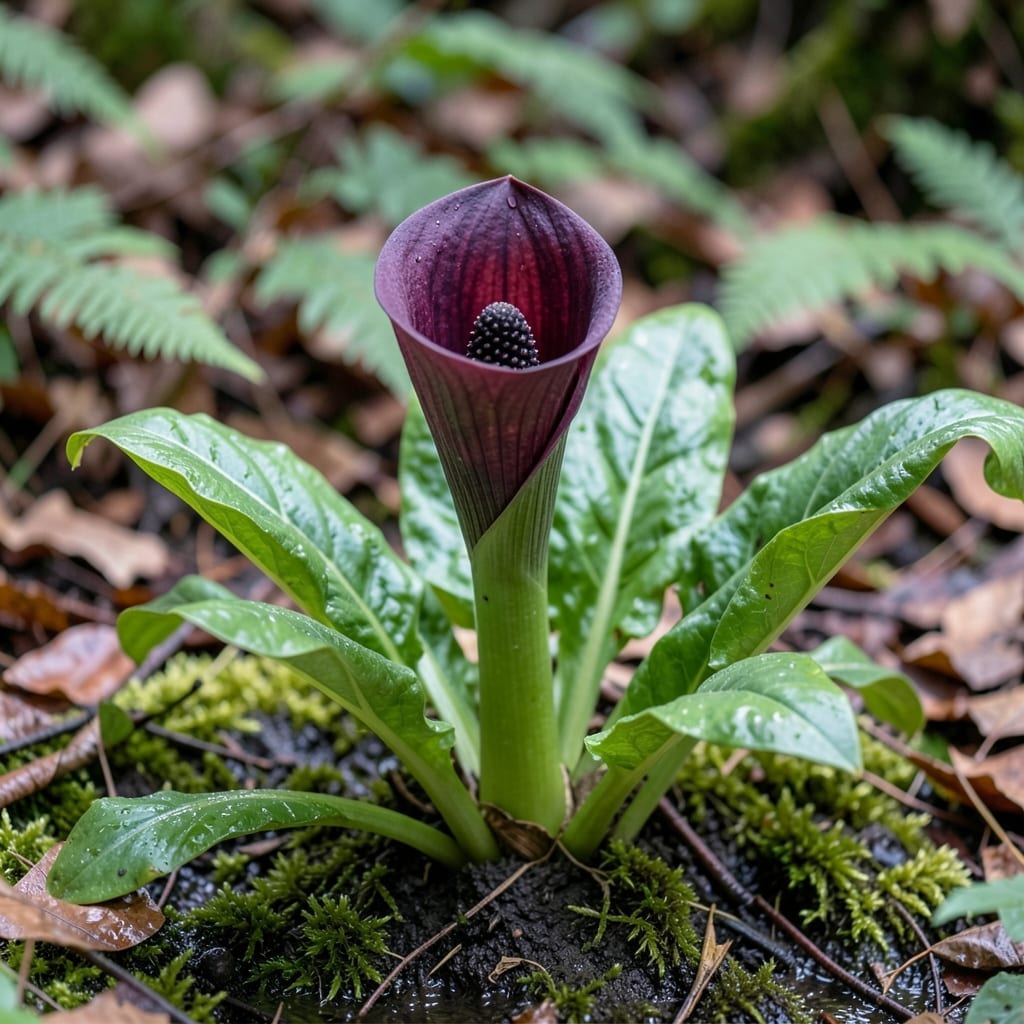
That first whiff stops every visitor in their tracks. The purple stinky flower earns its name honestly, but I’ve learned to appreciate its bold personality and striking deep violet blooms.
This plant thrives in partial shade with well-draining soil, and it’s surprisingly low-maintenance once established. The scent is strongest in the morning, which actually helps deter deer and other pests.
What you get is a conversation piece that draws pollinators while keeping browsers away. The flowers last for weeks, and the foliage stays attractive all season long.
Perfect for gardeners who want something different. Here’s how to grow this unique plant successfully.
The purple stinky flower, often a nickname for plants like the Rafflesia or Amorphophallus titanum (corpse flower), produces its infamous odor for a specific biological reason: to attract pollinators. Unlike sweet-smelling blooms that lure bees or butterflies, these plants mimic the stench of rotting flesh to draw in carrion flies and beetles. Here’s why it happens:
These flowers emit a mix of volatile organic compounds (VOCs), including dimethyl disulfide, dimethyl trisulfide, and indole—the same chemicals released by decomposing animals. This chemical cocktail tricks pollinators into believing they’ve found a food source or breeding ground. The plant’s deep purple or maroon hues further enhance the illusion of decay.
Many stinky flowers, like the corpse flower, also generate heat (thermogenesis) to help disperse their scent over greater distances. This warmth, which can raise the flower’s temperature up to 10–15°F (5–8°C) above ambient, accelerates the evaporation of odor compounds, making the stench more potent and far-reaching.
This pungent adaptation is a result of evolutionary pressure. Plants that rely on carrion insects for pollination developed these traits to stand out in dense, competitive ecosystems like tropical rainforests. Without the ability to attract traditional pollinators, they evolved to exploit a niche—decomposers—ensuring their survival and reproduction.
If your unusual blooms are emitting an overpowering odor, these targeted fixes will help restore balance to your garden. Address each cause with simple, actionable steps to tame the scent without harming the plant.
Soggy roots can amplify the flower’s natural pungency. Repot or amend the soil with coarse sand, perlite, or bark chips to boost drainage. For in-ground plants, create a small berm to redirect excess water. Prevention tip: 💡 Always use pots with drainage holes, and avoid overwatering—let the top inch of soil dry between waterings.
Too much nitrogen or phosphorus encourages lush growth but intensifies the smell. Flush the soil with water to remove excess salts, then switch to a balanced, low-odor fertilizer (like a 5-5-5 organic blend). Prevention tip: ✨ Fertilize sparingly—once in early spring and once mid-summer is plenty for most varieties.
High temperatures can make the fragrance more potent. Move potted plants to a spot with dappled shade, or use shade cloth for garden beds during peak afternoon sun. Prevention tip: 🌡️ Mulch around the base to keep roots cool and retain moisture without waterlogging.
Overcrowding traps moisture and odor. Space plants at least 12–18 inches apart to improve airflow. If the scent is still overwhelming, relocate the plant to a less frequented area of your garden. Prevention tip: 🎯 Rotate plant positions yearly to prevent buildup of scent-triggering conditions.
It mimics rotting flesh to attract carrion flies and beetles for pollination. The scent comes from VOCs like dimethyl disulfide, which decomposing animals also release.
Yes! Improve drainage, reduce fertilizer, and provide afternoon shade. These steps minimize stress triggers that intensify the fragrance.
Space it 12–18 inches away to prevent odor buildup. Good airflow helps, but consider placing it farther from high-traffic areas.
Water when the top 1 inch of soil feels dry. Overwatering increases the scent, so ensure pots have drainage holes.