
Beautiful Plants For Your Interior
Beautiful Plants For Your Interior
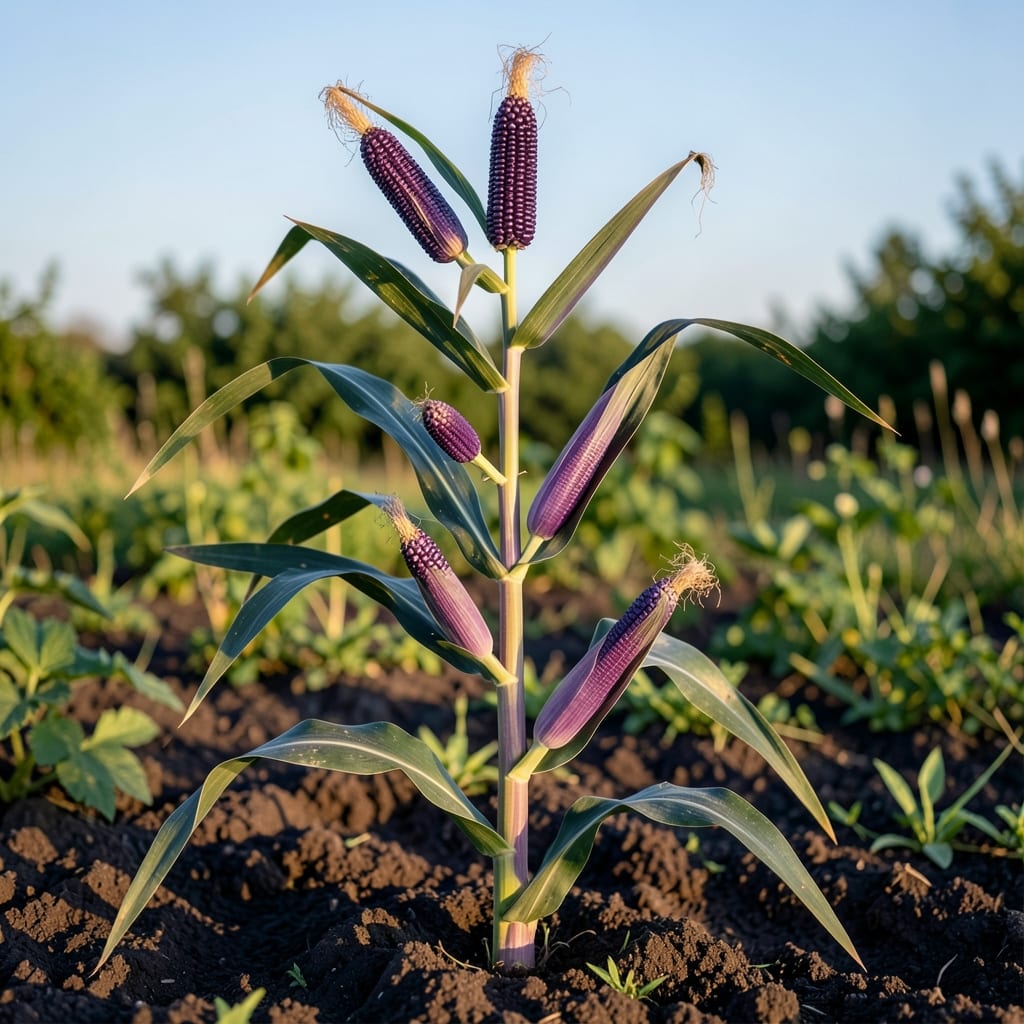
Purple leaves on corn plants always catch me off guard. I first noticed this in my garden last summer when the lower leaves turned deep purple overnight.
Turns out, it’s usually a sign of phosphorus deficiency or environmental stress. The good news is that with the right diagnosis, most cases can be fixed naturally without harsh chemicals.
You’ll learn to spot the difference between nutrient issues and stress factors. Simple soil tests and visual checks can reveal exactly what your plants need to recover.
With the right adjustments, your corn will return to its vibrant green and keep growing strong. Here’s how to get started.
Purple corn leaves are often a sign of underlying nutritional or environmental stress. Understanding the root causes can help you address the issue effectively.
One of the most common reasons for purple discoloration is a phosphorus deficiency. Phosphorus is vital for energy transfer and root development in plants. When soil lacks sufficient phosphorus, corn plants struggle to produce chlorophyll, leading to a buildup of anthocyanins—the pigments responsible for the purple hue. This often appears in cool, wet soils where phosphorus uptake is slowed.
Corn thrives in warm soil, and chilly conditions (below 50°F or 10°C) can inhibit phosphorus absorption, even if the nutrient is present. Young seedlings are particularly vulnerable, as their root systems are not yet fully developed. If early spring planting or unexpected cold snaps occur, purple leaves may emerge until temperatures rise.
Some corn varieties naturally develop purple-tinged leaves due to their genetic makeup. For instance, certain heirloom or specialty corn types (like ‘Purple Majesty’) have anthocyanin-rich foliage as a trait, not a deficiency. If the discoloration is uniform and the plant appears healthy, genetics—not stress—may be the cause.
While less common, low potassium or magnesium levels can also contribute to purpling. These nutrients support enzyme function and photosynthesis. A soil test can confirm deficiencies, allowing you to amend the soil with potassium sulfate or Epsom salts (for magnesium) as needed.
If your corn plants are showing purple leaves, the fix depends on the root cause. Below are practical solutions for each common issue, along with prevention tips to keep your garden thriving.
Fix: Apply a balanced fertilizer rich in phosphorus (look for an NPK ratio like 10-20-10). For quick results, use a liquid phosphorus supplement or bone meal. Work it into the soil around the base of the plants, then water deeply.
Prevention: Test your soil before planting and amend it with compost or organic matter. Reapply fertilizer mid-season if plants show signs of stress.
Fix: Warm up the soil by covering it with black plastic mulch before planting. For existing plants, use row covers or cloches to shield them from chilly nights.
Prevention: Plant corn after the last frost date for your region. Start seeds indoors or use cold-tolerant varieties if you live in a cooler climate.
Fix: Improve drainage by loosening compacted soil with a garden fork or adding organic matter like peat moss or compost. Avoid overwatering—let the top inch of soil dry out between waterings.
Prevention: Plant corn in raised beds or mounds to ensure proper drainage. Choose well-draining soil from the start.
Fix: If the purple tint is due to the corn variety (e.g., Purple Majesty), no action is needed—it’s natural! However, if the color is uneven or paired with stunted growth, rule out other causes first.
Prevention: Research seed varieties before planting. Stick to standard green-leaf varieties if purple hues aren’t desired.
Pro tip 💡: Monitor your plants regularly. Early intervention—like adjusting water or fertilizer—often prevents minor issues from turning into major problems.
Not always! Some heirloom varieties like Purple Majesty naturally have purple leaves. If the entire plant looks healthy and the color is uniform, it’s likely just the variety.
With proper treatment, new growth should appear green within 7-14 days. Existing purple leaves won’t change, but this confirms your fix is working.
Yes! Waterlogged soil prevents root uptake of phosphorus, even if it’s present. Let soil dry slightly between waterings to improve nutrient absorption.
Corn thrives in soil above 50°F. Below this, phosphorus uptake slows, often causing purple leaves. Use black plastic mulch to warm soil faster in spring.