
Beautiful Plants For Your Interior
Beautiful Plants For Your Interior
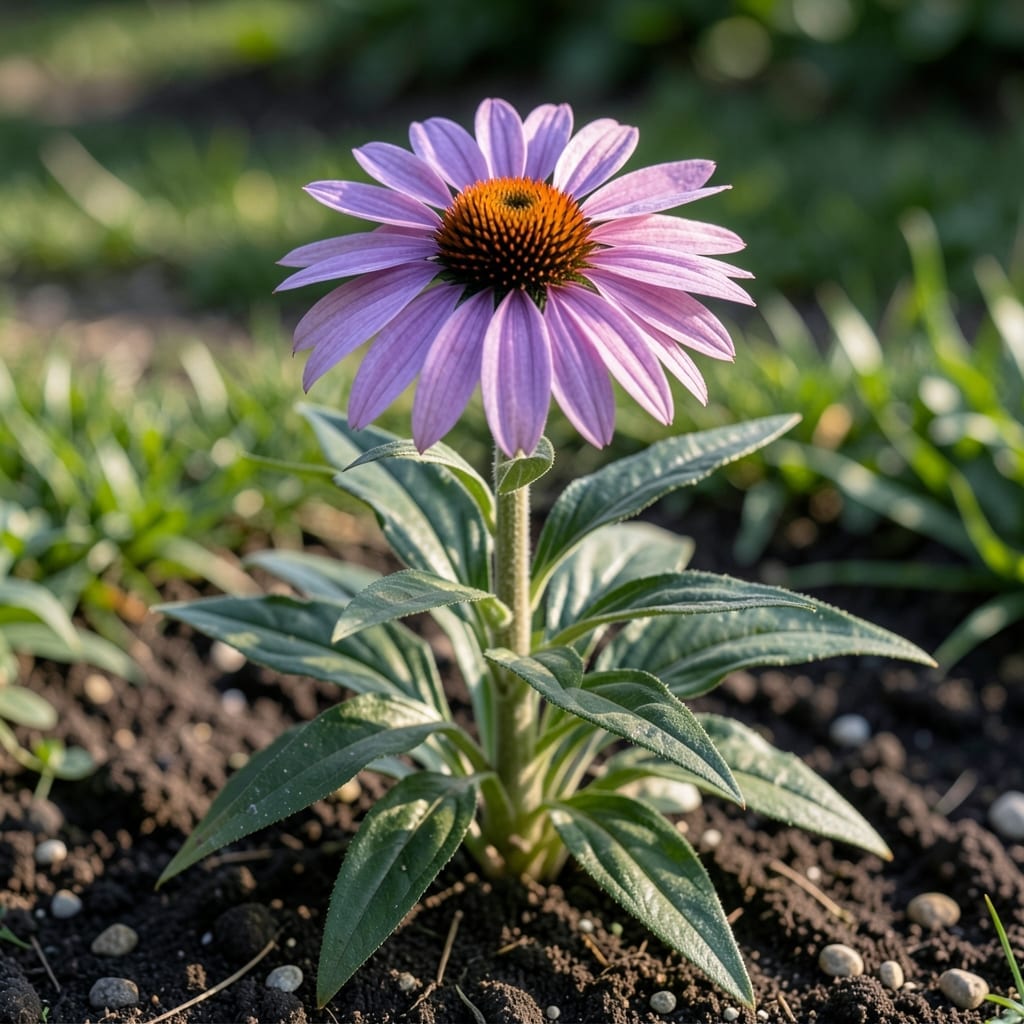
That first glimpse of vibrant purple blooms in spring never gets old. 🌿 I stumbled onto these stunners by accident three seasons ago and haven’t stopped planting them since.
These plants thrive with minimal fuss—just well-draining soil, 6+ hours of sunlight, and occasional water. They reward you with bold color and pollinator visits from March through June.
What you get is a low-maintenance centerpiece that returns year after year. The circular flowers add texture most gardens lack, and deer usually leave them alone.
Works in borders, containers, or as a standalone feature. Here’s how to make them shine in your space.
Purple hues in circular flowers often stem from natural pigments and environmental factors. Here’s a breakdown of the primary causes:
Purple coloring in flowers, including circular varieties, is primarily due to anthocyanins, water-soluble pigments in plant cells. These compounds reflect blue and red light, creating the purple shade. Anthocyanin production increases in response to sunlight exposure, particularly UV light, and cooler temperatures. Gardens with high UV index or temperate climates often see more vibrant purple blooms.
Soil acidity plays a key role in flower color. Purple circular flowers thrive in slightly acidic to neutral soils (pH 6.0–7.0). In more alkaline conditions, anthocyanins may shift toward bluer tones, while highly acidic soils can intensify reds. Testing and amending soil with lime (to raise pH) or sulfur (to lower pH) can help achieve the desired purple hue.
Direct sunlight boosts anthocyanin synthesis, making purple pigments more pronounced. Flowers grown in full sun often display deeper, richer purples compared to those in partial shade. If your purple circular flowers appear faded, increasing light exposure (6+ hours daily) can enhance their vibrancy.
Some plant species are genetically programmed to produce purple circular blooms. For example, varieties like Echinacea purpurea or Allium naturally develop these colors due to their inherited traits. Selecting seeds or seedlings from purple-flowering parent plants ensures consistent results.
If your purple circular flower is looking lackluster, don’t worry—most issues are fixable with a few simple adjustments. Below are targeted solutions for common problems, along with prevention tips to keep your plant thriving.
Cause: Overwatering or poor drainage. Fix: Let the soil dry out between waterings and ensure pots have drainage holes. Repot if the roots are waterlogged.
Prevention: Use well-draining soil and water only when the top inch of soil feels dry. 💡 Pro Tip: A moisture meter can help avoid guesswork.
Cause: Underwatering or heat stress. Fix: Give it a deep watering and move it to a shadier spot if temperatures are extreme.
Prevention: Mulch around the base to retain moisture and water consistently, especially in hot weather.
Cause: Aphids or spider mites. Fix: Spray with neem oil or insecticidal soap, focusing on the undersides of leaves. Repeat every few days until pests are gone.
Prevention: Inspect plants regularly and encourage natural predators like ladybugs. ✨ Bonus: Companion planting with marigolds can deter pests.
Cause: Nutrient deficiency. Fix: Apply a balanced, slow-release fertilizer or compost to replenish the soil.
Prevention: Feed your plant every 4-6 weeks during the growing season to maintain vibrant blooms.
With these tweaks, your garden’s star will bounce back in no time! 🌸
Use well-draining soil with a pH of 6.0–7.0. Amend with compost for nutrients. Avoid heavy clay that traps water and causes root rot.
Water deeply when the top 1 inch of soil feels dry. In hot climates, this may mean 2-3 times weekly. Always check soil moisture first.
This happens in alkaline soil. Test your soil and lower pH with sulfur or peat moss. Maintain slightly acidic conditions for rich purple hues.
Yes! Use a pot with drainage holes and 12-16 inches in diameter. Ensure it gets 6+ hours of sunlight daily for best results.