
Beautiful Plants For Your Interior
Beautiful Plants For Your Interior
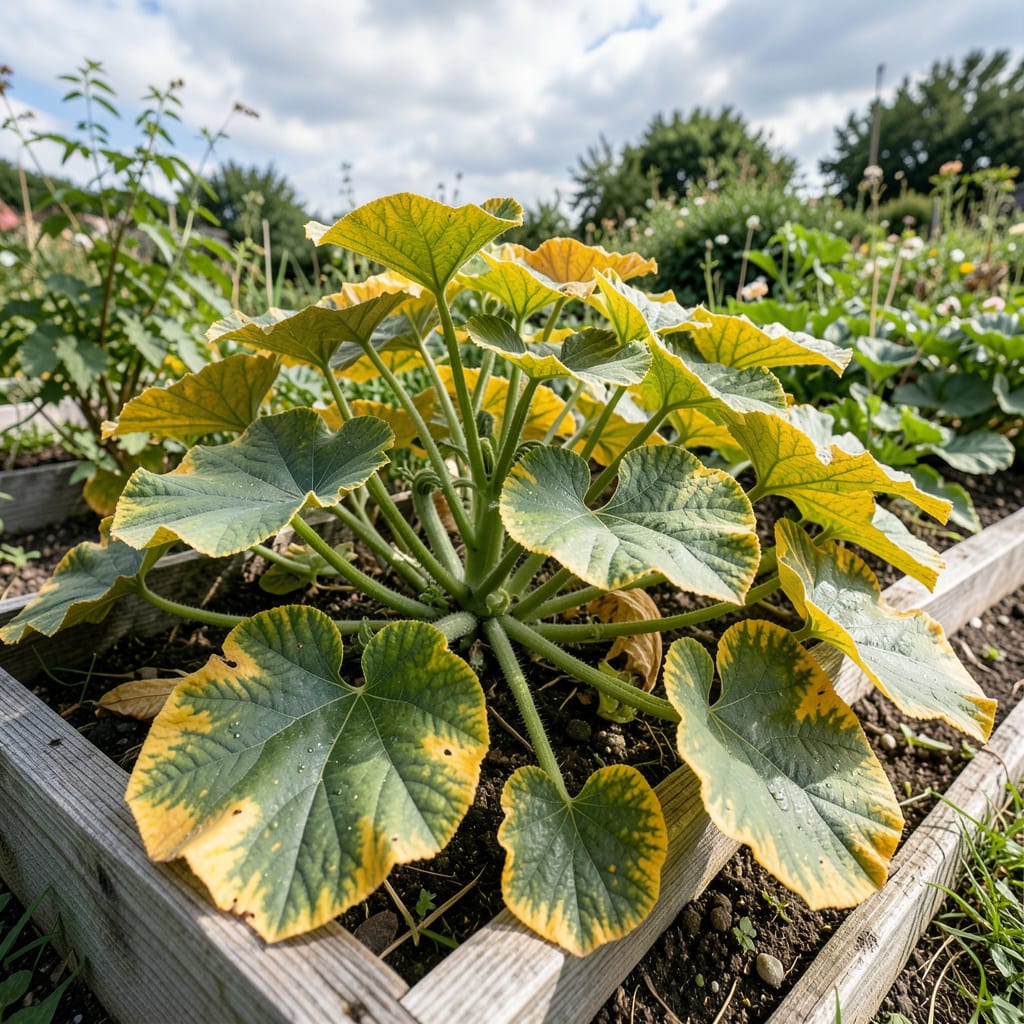
Yellow pumpkin leaves hit me like a gut punch last season. Mid-July, my vines looked healthy, then boom—pale, sickly foliage spreading fast across the patch.
Turns out it wasn’t disease or pests doing the damage. Most yellowing comes down to three simple problems: hungry soil, thirsty roots, or overzealous watering. I fixed mine with a soil test and a 5-minute adjustment to my care routine.
You’ll spot the difference within 3-5 days of correcting the issue. New growth emerges deep green, and existing leaves start recovering their color. The plants bounce back stronger than before.
Works for container pumpkins too. Here’s how to diagnose and fix it before your harvest suffers.
Pumpkin plant leaves turn yellow due to a variety of stressors, often linked to environmental, nutritional, or pathological factors. Below are the most common causes, explained with actionable insights.
Yellowing leaves often signal a lack of essential nutrients. Nitrogen deficiency typically causes uniform yellowing of older leaves, as the plant redirects nitrogen to newer growth. Magnesium or iron deficiencies may trigger interveinal chlorosis (yellowing between veins), especially in younger leaves. A soil test can confirm imbalances—amend with compost or targeted fertilizers (e.g., Epsom salt for magnesium).
Excess moisture suffocates roots, reducing their ability to absorb nutrients. This leads to yellowing, often accompanied by wilting or mold. Pumpkins thrive in well-draining soil—ensure pots have drainage holes, and avoid waterlogging beds. Water only when the top inch of soil is dry.
Pathogens like powdery mildew or bacterial leaf spot disrupt chlorophyll production, causing yellow or brown spots. These often spread in humid conditions. Remove infected leaves immediately, improve airflow, and apply copper-based fungicides preventatively.
Sap-sucking pests (e.g., aphids, spider mites) drain plant vigor, leading to stippled yellowing. Check leaf undersides for webbing or tiny insects. Treat with neem oil or insecticidal soap at first signs.
Extreme heat, cold snaps, or sudden shade can shock pumpkins, triggering leaf discoloration. Acclimate plants gradually and use row covers to mitigate temperature swings.
When your pumpkin plant’s leaves start turning yellow, the fix often depends on the root cause. Here’s a practical guide to nurse your plant back to health, with prevention tips to keep it thriving.
Fix: Test your soil to identify missing nutrients. For nitrogen deficiency, add a balanced fertilizer (10-10-10) or organic options like compost or fish emulsion. If it’s magnesium, use Epsom salt (1 tablespoon per gallon of water) as a foliar spray. For iron, apply chelated iron supplements.
Prevention: Start with nutrient-rich soil and fertilize regularly during the growing season. Rotate crops annually to avoid depleting the same nutrients.
Fix: Let the soil dry out slightly between waterings. Ensure your pumpkin patch has good drainage—raise beds or add organic matter like perlite to improve soil structure. If root rot is suspected, trim affected roots and repot in fresh, well-draining soil.
Prevention: Water deeply but infrequently (1-2 inches per week) and use mulch to retain moisture without waterlogging.
Fix: Provide temporary shade during peak afternoon hours using shade cloth or strategically placed plants. Keep the soil consistently moist to help the plant cope with heat.
Prevention: Plant pumpkins in a spot with partial shade or ensure they’re acclimated to full sun gradually.
Fix: For pests like aphids or spider mites, spray with neem oil or insecticidal soap. Remove heavily infested leaves. For fungal issues (e.g., powdery mildew), apply a fungicide or a baking soda solution (1 teaspoon baking soda, 1 quart water, a few drops of dish soap).
Prevention: Inspect plants regularly, avoid overhead watering, and maintain good airflow around leaves.
Fix: Protect plants from late frosts with row covers or cloches. In extreme heat, use mulch to insulate roots and provide afternoon shade.
Prevention: Plant pumpkins after the last frost date and choose heat-tolerant varieties if you live in a hot climate.
💡 Pro Tip: Always start with the simplest solutions (e.g., adjusting water or checking for pests) before assuming a nutrient deficiency. Healthy soil and consistent care go a long way in preventing yellow leaves!
Check for soggy soil and wilting despite wet conditions. Overwatered leaves often turn yellow with soft, mushy stems. Let soil dry to 1-2 inches deep before watering again.
Severely damaged leaves won’t recover, but new growth will be green if you fix the issue. Focus on correcting the underlying problem like nutrients or drainage.
Use a balanced liquid fertilizer for quick absorption, or try foliar sprays like Epsom salt for magnesium. Results appear within 3-5 days.
