
Beautiful Plants For Your Interior
Beautiful Plants For Your Interior
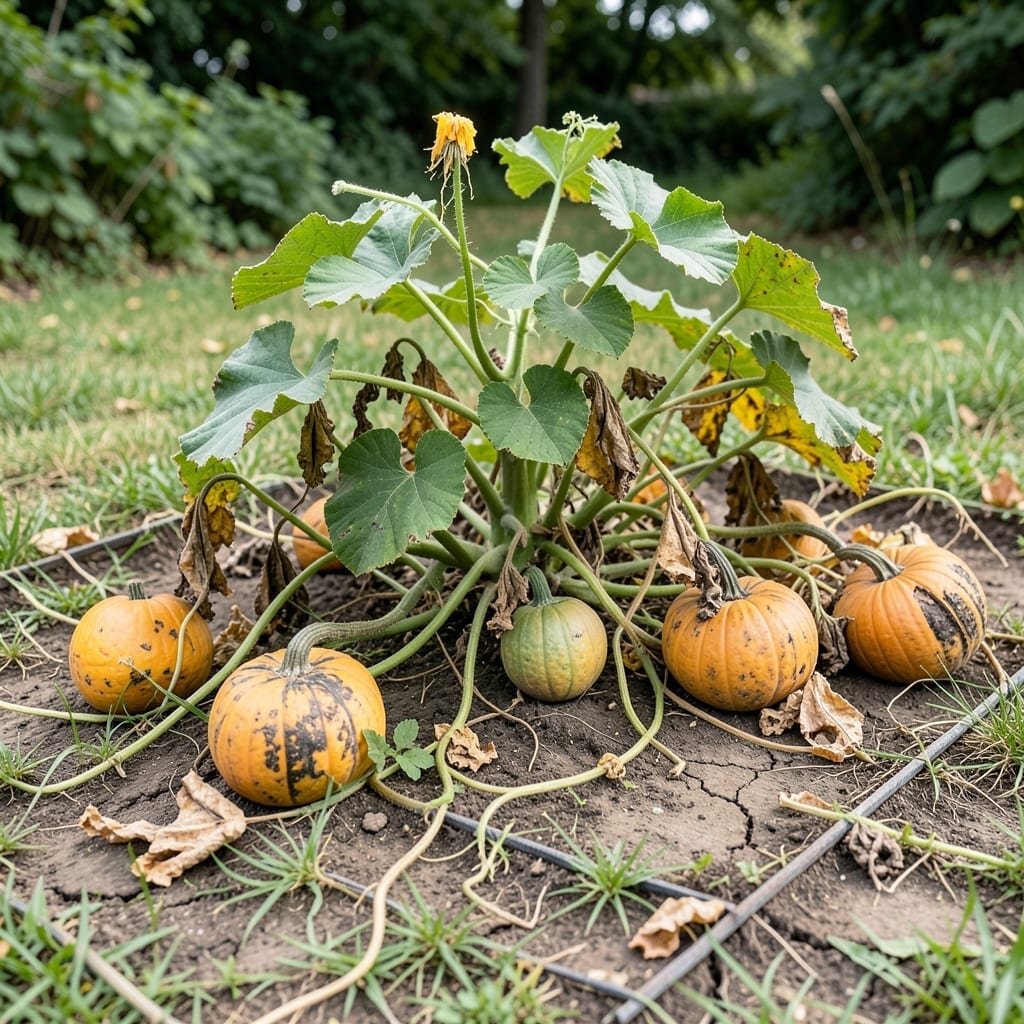
My first pumpkin patch was a disaster. Wilting vines, yellow leaves, and exactly zero pumpkins by October. Turns out, most failures show warning signs early if you know what to look for.
Between you and me, the biggest culprits are usually watering issues, poor soil, or pests moving in before you notice. I’ve learned to check the base of plants daily—early intervention can save the whole crop.
Rescue strategies exist for nearly every problem. Adjust your watering schedule, test your soil, or introduce beneficial insects. The key is acting fast before the damage spreads.
With the right approach, you can turn a failing patch into a thriving one. I’ve watched struggling vines bounce back in 2 weeks with the proper fixes.
Even the most enthusiastic gardeners can end up with a pumpkin patch fail, but understanding the root causes can help you avoid common pitfalls. Here’s why it happens—and how to fix it.
Pumpkins are heavy feeders, requiring rich, well-draining soil with a pH between 6.0 and 6.8. If your soil lacks organic matter or is too compacted, roots struggle to absorb nutrients, leading to stunted growth. Actionable fix: Test your soil and amend it with compost or aged manure before planting.
Pumpkins need 1–2 inches of water per week, especially during flowering and fruiting. Overwatering causes root rot, while underwatering leads to weak vines and small pumpkins. Actionable fix: Use drip irrigation to maintain steady moisture and avoid wetting the leaves (which invites disease).
Squash bugs, cucumber beetles, and powdery mildew thrive in crowded, poorly ventilated patches. These pests sap nutrients and spread fungal infections, crippling plants. Actionable fix: Space plants 2–3 feet apart, remove debris, and apply neem oil or row covers early.
Pumpkins require full sun (6–8 hours daily) to produce energy for growth. Shaded patches result in leggy vines and few (or no) pumpkins. Actionable fix: Choose the sunniest spot in your garden and avoid planting near tall crops or structures.
Pumpkins hate frost and struggle below 50°F (10°C) or above 90°F (32°C). Cold snaps kill young plants, while heatwaves cause blossom drop. Actionable fix: Plant after the last frost date and use shade cloth during heatwaves to protect vines.
Don’t let a struggling pumpkin patch discourage you—these targeted fixes can revive your crop and prevent future flops. Address the root causes with these step-by-step solutions.
If your soil is compacted or nutrient-poor, your pumpkins won’t thrive. Fix it: Work in 2–3 inches of aged compost or well-rotted manure before planting. Test soil pH (aim for 6.0–7.5); add lime to raise pH or sulfur to lower it. Prevention tip: 💡 Rotate crops yearly to avoid depleting the same nutrients.
Pumpkins need consistent moisture, especially during fruit set. Fix it: Water deeply 1–2 inches per week (more in heatwaves), using drip irrigation to avoid wetting leaves. If the patch is soggy, improve drainage with raised beds or organic matter. Prevention tip: 🌡️ Mulch with straw to retain moisture and prevent fungal issues.
Squash bugs, powdery mildew, or vine borers can derail growth. Fix it: Handpick pests early or spray neem oil for mildew. Remove infected leaves immediately. For borers, wrap stems in foil at the base. Prevention tip: ✨ Plant resistant varieties like ‘Crown’ or ‘Howden’ and space vines 3–4 feet apart for airflow.
Pumpkins crave 6–8 hours of sun daily. Fix it: If your patch is shaded, trim nearby trees or move vines to a sunnier spot. Use reflective mulch to maximize light. Prevention tip: 🎯 Site your patch in the sunniest part of the yard from the start.
Too many vines compete for resources. Fix it: Thin seedlings to 2–3 plants per hill, and prune excess runners to focus energy on fruit. Redirect vines away from each other to reduce shade. Prevention tip: 🔥 Follow spacing guidelines on seed packets (usually 4–6 feet apart).
Pumpkins require 1-2 inches of water per week, especially during flowering and fruiting. Use drip irrigation to avoid wetting leaves, which can cause disease.
Aim for a soil pH between 6.0 and 6.8. Test your soil and amend with lime to raise pH or sulfur to lower it if needed.
Yes, remove infected leaves immediately and apply neem oil. Improve airflow by spacing plants 2-3 feet apart to prevent future outbreaks.
This often means insufficient sunlight. Pumpkins need 6-8 hours of full sun daily. Relocate vines or trim nearby shade sources.