
Beautiful Plants For Your Interior
Beautiful Plants For Your Interior
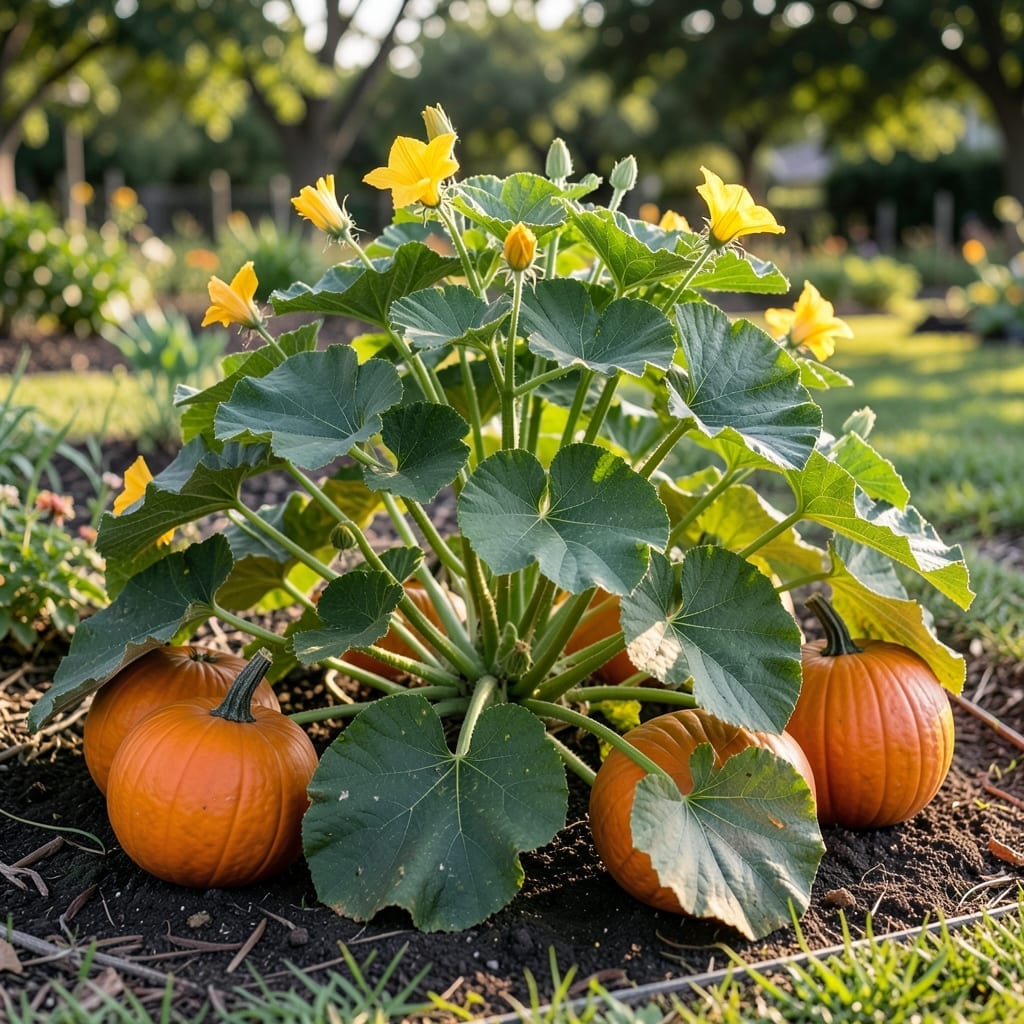
I first spotted it in the corner of my garden: a squash that looked like it was trying to be a pumpkin. Turns out, some varieties naturally grow this way, and they’re just as delicious and productive as any other.
These pumpkin-look-alikes thrive in the same conditions as regular squash—full sun, well-draining soil, and consistent watering. They’re not picky, but they do need space to sprawl, at least 6-8 feet in every direction.
You’ll get fruit that’s firm, sweet, and perfect for pies or roasting. The vines spread fast, and with the right care, you’ll have a harvest in 80-100 days. No special tricks, just good gardening basics.
If you’ve ever grown squash before, this is nothing new. Same rules, same rewards, just a fun twist on the usual.
If your squash is taking on a pumpkin-like appearance, it’s not just a quirky coincidence—there are clear biological and environmental reasons behind it. Here’s why it happens:
Squash, pumpkins, and gourds belong to the Cucurbita genus, and if different varieties bloom near each other, bees and other pollinators can transfer pollen between them. This cross-pollination doesn’t affect the current year’s fruit (since the genetic makeup of the seed determines the plant), but if you save and plant those seeds, the resulting squash may exhibit hybrid traits—like a squash that looks eerily similar to a pumpkin. To prevent this, isolate squash varieties by at least ½ mile or hand-pollinate.
Occasionally, spontaneous mutations in the squash’s DNA can cause unusual growth patterns, including shape, color, or texture changes. These mutations may lead to a squash developing ribbed, rounded, or thick-skinned characteristics typical of pumpkins. While rare, this is more likely in heirloom or open-pollinated varieties where genetic diversity is higher.
Extreme conditions—such as drought, nutrient deficiencies, or temperature swings—can trigger atypical growth in squash. For example, inconsistent watering may cause the fruit to develop unevenly, resulting in a pumpkin-like bulge. Similarly, nitrogen-rich soil can promote excessive leafy growth at the expense of fruit shape, leading to misshapen squash.
Some squash varieties, like Cucurbita pepo (which includes both pumpkins and certain squash), naturally produce fruit that blurs the line between the two. If you planted a pumpkin-squash hybrid or a lesser-known variety (e.g., ‘Roulette’ or ‘Kabocha’), its appearance might simply reflect its true genetic heritage. Always verify seed labels or sources to avoid surprises.
If your pumpkin-looking squash isn’t growing as expected, don’t worry—here’s how to troubleshoot and get back on track. Below are practical fixes for common problems, along with prevention tips to keep your garden thriving.
If seeds aren’t sprouting, they may be old or planted too deeply. Soak seeds in lukewarm water for 1-2 hours before planting to soften the shell. Plant them ½ to 1 inch deep in warm, moist soil (70-80°F).
Prevention tip: 💡 Use fresh, high-quality seeds and test soil temperature with a thermometer before planting.
Yellow leaves often signal overwatering or nitrogen deficiency. Check soil moisture—let the top inch dry between waterings. Apply a balanced fertilizer (10-10-10) or compost to replenish nutrients.
Prevention tip: 🌱 Mulch around plants to retain moisture and reduce stress. Avoid wetting leaves to prevent fungal issues.
Squash bugs and vine borers love these plants. Handpick pests early in the morning or use neem oil as a spray. For vine borers, wrap stems in foil to block egg-laying.
Prevention tip: 🛡️ Rotate crops yearly and plant companion herbs like basil or nasturtiums to repel pests.
If vines are stunted, they may need more sunlight or warmer temperatures. Ensure 6-8 hours of direct sun daily and use row covers in cooler climates. Thin seedlings to 2-3 feet apart for better airflow.
Prevention tip: ☀️ Start seeds indoors 2-3 weeks before the last frost to give them a head start.
With these fixes, your pumpkin-looking squash will be back on track for a bountiful harvest! 🌟
Yes! These varieties are perfectly edible and often just as flavorful. The shape doesn’t affect taste or texture, so roast, steam, or puree them like any other squash.
Isolate different squash varieties by at least ½ mile or use hand-pollination. Planting only one variety at a time also eliminates the risk.
Keep them in a cool, dry place like a basement or pantry. Properly cured and stored, they’ll last 2-3 months. Avoid refrigeration, as it can degrade flavor.
Give vines 6-8 feet of space in all directions. They sprawl just like pumpkins, so plan your garden layout accordingly.