
Beautiful Plants For Your Interior
Beautiful Plants For Your Interior
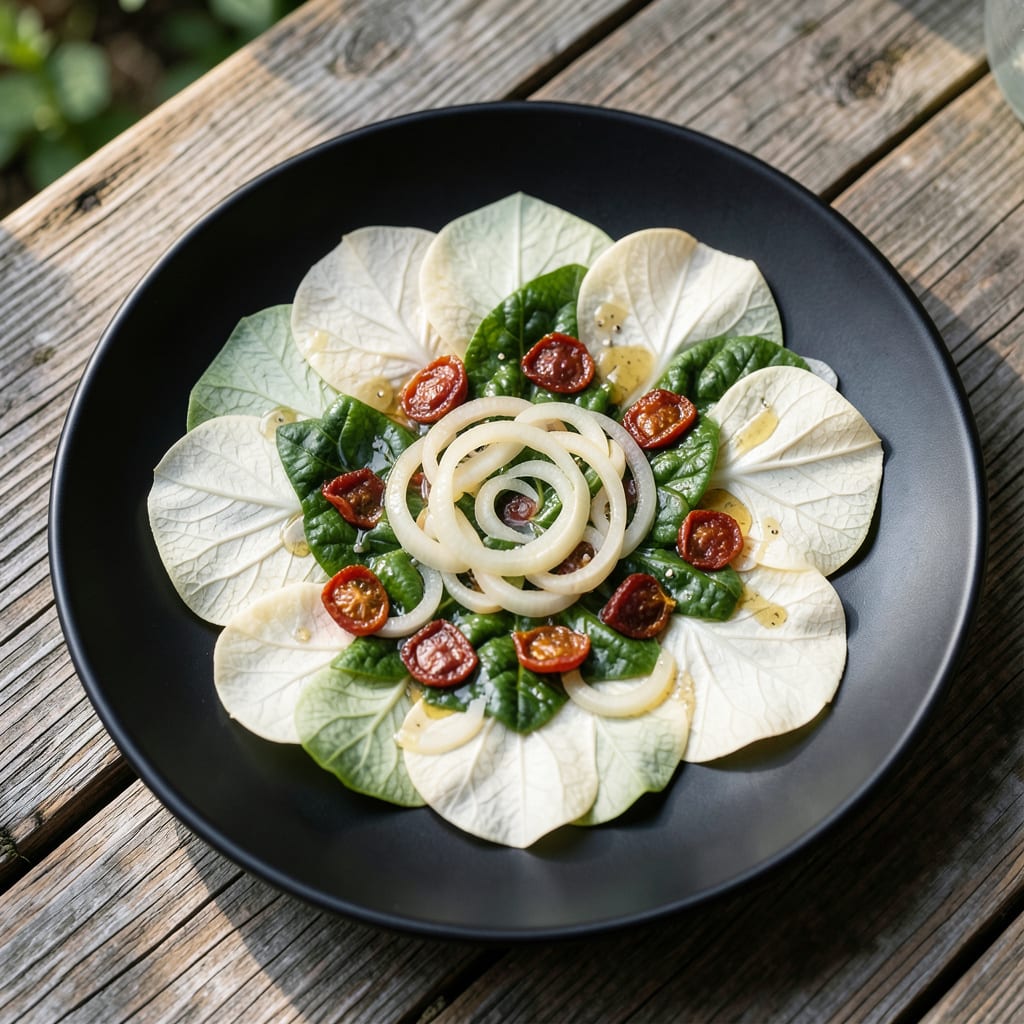
White pumpkin leaves hit me like a gut punch last season. Three plants went from thriving to ghostly overnight, and I knew I had to act fast to save the harvest.
Turns out, the culprits are usually one of three things: powdery mildew creep, sunburn from intense afternoon rays, or a nutrient shortfall. Each leaves a distinct white signature on the foliage.
I fixed mine with a simple neem oil spray and some afternoon shade cloth. Within 5 days, the new growth came back deep green and healthy.
Here’s how to diagnose what’s happening in your patch and the exact steps to bring your vines back to life.
Pumpkin leaves turning white often signal underlying issues that disrupt chlorophyll production or damage leaf tissue. Below are the most frequent culprits, backed by science and practical insights.
White or pale leaves often point to nitrogen, magnesium, or iron deficiencies. Nitrogen is vital for chlorophyll, and its lack causes uniform yellowing (chlorosis) that can progress to white. Magnesium, a core component of chlorophyll, leads to interveinal chlorosis—white or yellow patches between green veins. Iron deficiency also triggers chlorosis but typically affects younger leaves first. Test soil pH (6.0–6.8 is ideal for pumpkins); alkaline soils can lock out these nutrients.
Intense sunlight or heatwaves can bleach pumpkin leaves, turning them white or translucent. This happens when chlorophyll breaks down under UV radiation or extreme temperatures (above 90°F/32°C). Leaves may also develop crispy edges. Shade cloth (30–40%) during peak sun hours can prevent this.
Powdery mildew (Podosphaera xanthii) or downy mildew (Pseudoperonospora cubensis) can cause white, powdery coatings or patches on leaves. These fungi thrive in humid, poorly ventilated conditions. Left untreated, they block sunlight absorption, weakening the plant. Copper-based fungicides or neem oil can help, but improve airflow first.
Soggy soil suffocates roots, reducing their ability to absorb nutrients like nitrogen and magnesium. This can mimic deficiency symptoms, with leaves turning white or yellow. Check soil moisture 2 inches deep—it should be moist but not waterlogged. Raised beds or well-draining soil mix can prevent this.
Sap-sucking pests like spider mites, aphids, or whiteflies can drain nutrients from leaves, causing stippling or white mottling. Severe infestations may lead to leaf drop. Inspect undersides of leaves and treat with insecticidal soap or horticultural oil if pests are present.
If your pumpkin leaves are turning white, act fast to restore their health. Below are targeted solutions for each common cause, along with prevention tips to keep your plants thriving.
Mix 1 tablespoon of baking soda and 1 teaspoon of dish soap in a gallon of water. Spray the solution on affected leaves weekly until the issue clears. Prevention tip: 💡 Improve air circulation by spacing plants properly and watering at the base to avoid wetting the leaves.
Shield plants with 30-50% shade cloth during peak sunlight hours (11 AM–3 PM). Ensure they receive consistent moisture—mulch around the base to retain soil humidity. Prevention tip: 🌞 Gradually acclimate young plants to direct sun to avoid shock.
For magnesium deficiency (interveinal white patches), apply Epsom salt spray (1 tablespoon per gallon of water) directly to leaves. For nitrogen or iron shortages, use a balanced fertilizer (10-10-10) or iron chelates. Prevention tip: 🌱 Test soil annually and amend with compost before planting.
Cover plants with frost blankets or old bedsheets when temperatures drop below 50°F (10°C). Avoid plastic, as it can trap cold air. Prevention tip: ❄️ Plant pumpkins after the last frost date and use row covers early in the season.
For spider mites or whiteflies, spray leaves with neem oil (2 tablespoons per gallon of water) every 3–5 days. Introduce beneficial insects like ladybugs for long-term control. Prevention tip: 🐞 Regularly inspect the undersides of leaves for early signs of pests.
Act quickly with these fixes, and your pumpkin leaves should regain their vibrant green color in no time!
With proper treatment, new growth should appear healthy within 5-7 days. Existing damaged leaves may not fully recover but will stop deteriorating. Recovery speed depends on the cause and how quickly you address it.
Only remove leaves that are completely white and crispy. If they still have some green, they’re still photosynthesizing. Always use clean pruners to avoid spreading disease.
Yes! Overwatering leads to root rot, which prevents nutrient uptake. This often mimics deficiency symptoms, including white or yellow leaves. Always check soil moisture 2 inches deep before watering.
Fungal infections like powdery mildew can spread to nearby plants. Isolate affected pumpkins and avoid overhead watering. Pests can also move between plants, so treat the entire garden if infested.
