
Beautiful Plants For Your Interior
Beautiful Plants For Your Interior
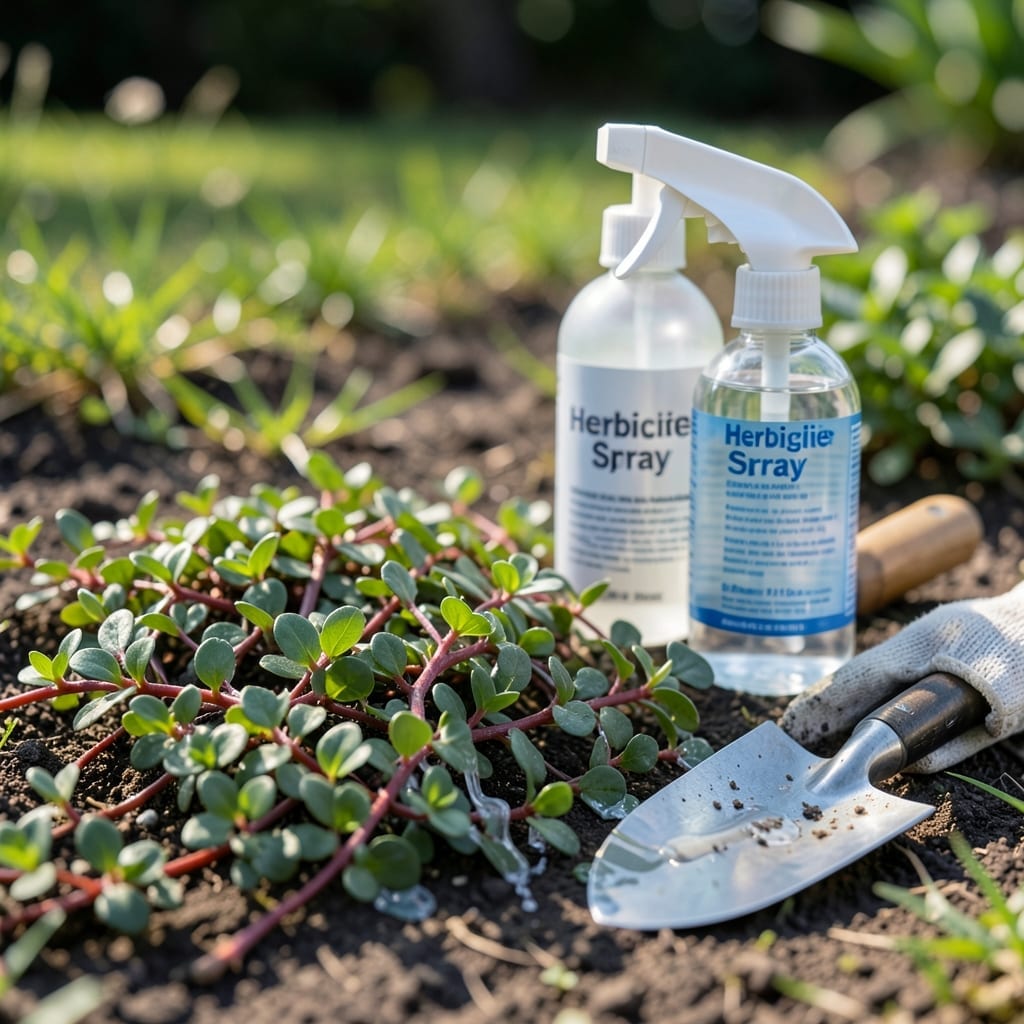
That green mat spreading across your flower beds isn’t grass—it’s prostrate spurge, and it’s planning a takeover. 🌱 I spent two summers watching it choke out my petunias before I learned how to stop it for good.
This sneaky weed roots at every node, so pulling it just makes it angrier. The trick is catching it early, before it forms those dense mats that strangle your prized plants. One weekend of focused effort can reclaim your garden.
You’ll notice immediate results with the right approach: fewer weeds, healthier soil, and your flowers finally getting the space they deserve. No harsh chemicals required—just persistence and the right technique.
Works in any climate, from dry heat to humid summers. Here’s how to evict it for good.
Prostrate spurge, a fast-spreading weed, thrives under specific conditions. Understanding why it appears is the first step toward effective control. Below are the primary causes, explained with actionable insights.
This weed loves compacted or disturbed soil, where its shallow roots can quickly establish. Construction sites, foot traffic, or tilling often create ideal conditions by exposing bare soil and reducing competition from other plants.
Excess moisture, whether from irrigation or heavy rainfall, encourages prostrate spurge growth. Overwatered lawns or poorly drained garden beds create a damp environment where its seeds germinate aggressively.
Prostrate spurge thrives in hot, sunny areas. During summer, its seeds sprout rapidly in open, unshaded spaces, outcompeting slower-growing plants. Thin lawns or sparse garden beds are especially vulnerable.
Bare spots in lawns or gardens invite this weed. When desirable plants are sparse, prostrate spurge fills the gap, spreading its mats of foliage to dominate the space. Healthy, dense turf or ground covers naturally suppress its growth.
Tackling prostrate spurge doesn’t have to be overwhelming. Below are targeted solutions for common causes, paired with prevention tips to keep your garden weed-free long-term.
Hand-pull young plants before they seed. Use a hoe or hand weeder to remove roots entirely. Prevention tip: Mulch bare soil with organic material to block sunlight and suppress new growth. 💡
Remove flower heads before they mature to prevent seeding. Bag and dispose of plants—do not compost, as seeds may survive. Prevention tip: Pre-emergent herbicides (corn gluten meal) can stop seeds from sprouting in spring. ✨
Aerate compacted areas to reduce spurge’s favorite conditions. Mix in compost to boost soil health. Prevention tip: Avoid overwatering—spurge thrives in damp, poor-draining spots. 🎯
Mow high (3–4 inches) to shade out weeds. Overseed with dense, competitive grass to crowd out spurge. Prevention tip: Fix thin patches quickly—bare spots invite weeds. 🌡️
For severe cases, apply vinegar-based or organic herbicides directly to leaves (avoid overspray). Prevention tip: Spot-treat only—broad applications can harm desirable plants. 🔥
Early spring is ideal, before seeds germinate. Hand-pull young plants in cool, moist soil for easiest removal. A second wave in early summer catches any stragglers before seeding.
Yes, but use horticultural vinegar (20-30% acidity) for best results. Household vinegar (5%) may require multiple applications and works best on young plants in full sun.
Broken stems can re-root if left in soil. Always remove the entire plant, including shallow roots, and dispose of it in sealed bags. Mulching afterward prevents regrowth.
No—seeds and plant parts can survive composting. Bag and trash them instead to prevent reinfestation in your garden. This simple step saves future headaches.