
Beautiful Plants For Your Interior
Beautiful Plants For Your Interior
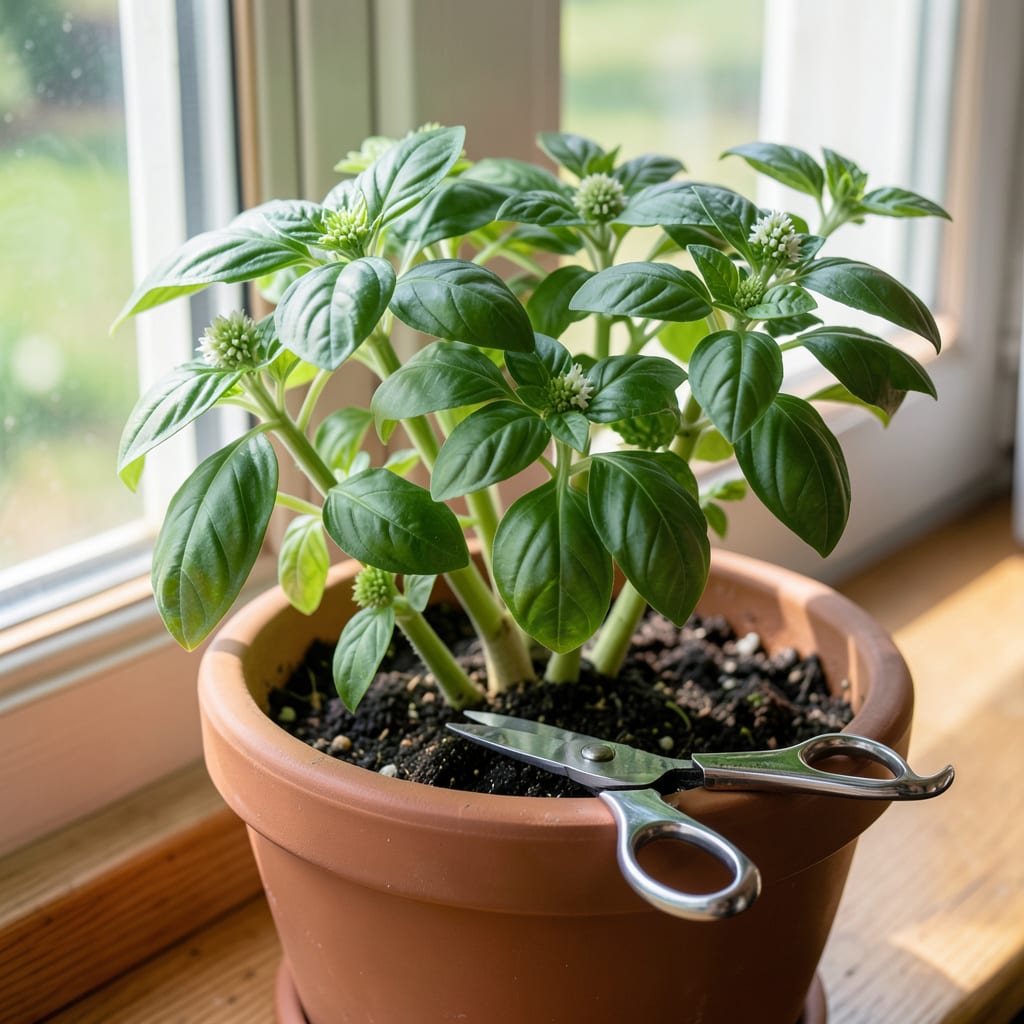
Harvesting 🌿 Basil the right way can mean the difference between a struggling plant and a thriving herb garden bursting with flavor.
I’ll show you the simple yet crucial steps to keep your Basil productive all season long, ensuring a continuous supply of fresh, fragrant leaves.


I’ve found that harvesting basil correctly is the secret to a long-lasting and productive herb garden. Timing and technique matter just as much as regular care.
The best time to harvest is in the early morning, after the dew has dried but before the heat sets in. This is when the essential oils are most concentrated.
🌿 Steps to Harvest Basil Properly:
Always use clean, sharp tools to make precise cuts. This prevents tearing the stems and reduces the risk of disease transmission to your plant.
When harvesting, look for stems with multiple sets of true leaves. These are the most mature and flavorful parts of the plant. Avoid the tender new growth at the very top.
Cutting at a 45-degree angle just above a leaf pair encourages the plant to branch out. This leads to a fuller, bushier basil plant over time.
If you notice flower buds forming, pinch them off immediately. Once basil flowers, the leaves turn bitter and the plant’s energy shifts from leaf production to seed production.
Regular harvesting stimulates new growth and keeps your plant productive. I aim to harvest my basil every 2-3 weeks during the growing season.
After harvesting, give your basil a light watering if the soil feels dry. This helps the plant recover and regenerate new growth more quickly.
With these techniques, your basil plant will reward you with abundant, flavorful leaves throughout the growing season. ✂️
Even experienced gardeners can make harvesting mistakes that stress their basil plants. These errors often lead to stunted growth or reduced flavor in future harvests.
One of the most common issues is over-harvesting. Taking too many leaves at once can shock the plant and slow its recovery.
⚠️ Avoid These Basil Harvesting Mistakes:
Another frequent mistake is harvesting at the wrong time of day. The midday heat can cause essential oils to evaporate, resulting in less flavorful leaves.
I’ve seen gardeners pull leaves instead of making clean cuts. This damages the plant tissue and creates entry points for pests and diseases.
Never ignore flower buds when they appear. Pinching them off immediately prevents premature bolting and keeps your plant focused on leaf production.
Using dull tools is another common error. Clean, sharp pruning shears or scissors make precise cuts that help the plant heal quickly. ✂️
I’ve discovered that proper harvesting is the key to maximizing basil’s flavor and extending its productivity. It’s not just about getting leaves—it’s about encouraging the plant to thrive.
When you harvest basil correctly, you stimulate new growth from the leaf nodes. This creates a bushier plant with more places for essential oils to develop, enhancing the flavor.
🌿 Why Proper Harvesting Matters:
Regular harvesting prevents the plant from going to seed too quickly. When basil bolts, it shifts energy to flower production, making the leaves bitter and tough.
I always aim to harvest my basil every 2-3 weeks. This keeps the plant in a constant state of growth, producing tender, flavorful leaves all season long.
Another benefit is improved air circulation. By trimming regularly, you reduce the risk of fungal diseases that can develop in dense foliage. This keeps your plant healthier and more productive. ✂️
Early morning after the dew dries is ideal. This is when essential oils are most concentrated, giving you the best flavor. Avoid harvesting during the heat of the day.
Harvest every 2-3 weeks during the growing season. Regular harvesting encourages bushier growth and extends the plant’s productive life.
Flower buds signal the plant is shifting to seed production. Removing them prevents bitterness and keeps the plant focused on producing flavorful leaves.
You can, but the leaves may taste bitter. For best results, pinch off flower buds as soon as they appear to maintain sweet, aromatic leaves.
