
Beautiful Plants For Your Interior
Beautiful Plants For Your Interior
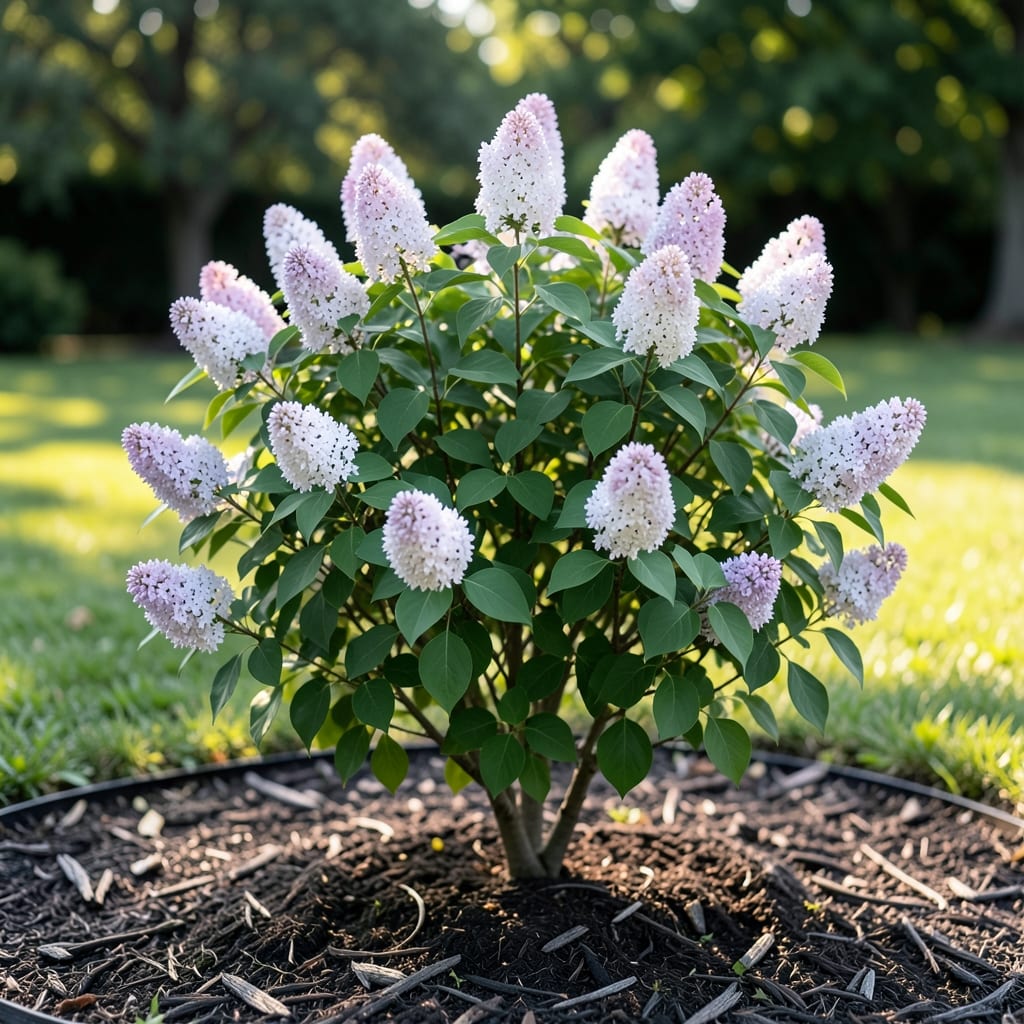
My Miss Kim lilac looked perfect last spring—then the leaves started curling. 🌿 Turns out, these tough shrubs have a few predictable weak spots that even experienced gardeners overlook.
Between you and me, most issues boil down to three culprits: wrong soil, poor drainage, or sneaky pests. The good news? Fixing them is simpler than you’d think, and the payoff is fragrant blooms for decades.
I’ve nursed struggling lilacs back to health with basic adjustments—no fancy tools required. The key is catching problems early, before they spread to the whole plant.
If your Miss Kim isn’t thriving, chances are it’s trying to tell you something. Let’s decode the signs and get it back on track.
The Miss Kim Lilac (Syringa pubescens subsp. patula ‘Miss Kim’) is a hardy, fragrant shrub, but even the toughest plants face challenges. Understanding the root causes of its problems helps you address them effectively. Below are the most common reasons behind issues with this lilac variety.
Miss Kim Lilacs thrive in well-draining, slightly alkaline soil with a pH between 6.5 and 7.5. Compacted or waterlogged soil restricts root growth, leading to stunted development, yellowing leaves, or root rot. Similarly, highly acidic soil can cause nutrient deficiencies, particularly in essential minerals like phosphorus and calcium.
Overwatering is a frequent culprit, as it promotes fungal diseases like powdery mildew or root rot. Conversely, underwatering stresses the plant, causing wilting, leaf drop, or weak blooms. Lilacs prefer consistent moisture—about 1 to 1.5 inches of water per week—with a focus on deep, infrequent watering to encourage strong root systems.
Miss Kim Lilacs require full sun (6+ hours of direct sunlight daily) to produce abundant, vibrant blooms. Too much shade results in sparse flowering, leggy growth, and increased susceptibility to pests like aphids or scale insects. If your lilac isn’t blooming, check its light exposure first.
Common pests such as aphids, scale insects, and lilac borers can weaken the plant. Aphids and scale suck sap from leaves, causing curling, yellowing, or a sticky residue (honeydew). Lilac borers tunnel into stems, leading to dieback. Regular inspection and early intervention with horticultural oil or insecticidal soap can prevent major damage.
Extreme weather—late frosts, drought, or heatwaves—can stress Miss Kim Lilacs. Late frosts may damage emerging buds, while prolonged drought weakens the plant. Mulching around the base helps retain moisture and regulate soil temperature, reducing stress-related issues.
If your Miss Kim lilac isn’t thriving, don’t worry—most problems have simple fixes. Below are targeted solutions for the most common issues, paired with prevention tips to keep your shrub healthy and blooming.
If your lilac fails to flower, it may lack nutrients or sunlight. Fix: Apply a balanced, phosphorus-rich fertilizer in early spring, and ensure the plant gets at least 6 hours of direct sunlight daily. Prune right after flowering to avoid cutting off next year’s buds.
Prevent it: Test soil annually—lilacs prefer slightly alkaline (pH 6.5–7.5) soil. Amend with lime if needed.
Yellow leaves often signal overwatering or poor drainage. Fix: Let the top 1–2 inches of soil dry out between waterings. If the soil stays soggy, improve drainage by mixing in compost or sand.
Prevent it: Plant in well-draining soil and avoid waterlogged spots. Mulch lightly to retain moisture without suffocating roots.
Aphids, scale, or borers attacking your lilac? Fix: Blast pests off with water or apply neem oil or insecticidal soap weekly until gone. For borers, remove affected branches and burn them to prevent spread.
Prevent it: Encourage beneficial insects like ladybugs by planting companion flowers (e.g., marigolds). Keep the area free of debris where pests overwinter.
Harsh winters can split bark or kill buds. Fix: Prune damaged wood in late winter, just before new growth starts. Wrap young shrubs in burlap for extra insulation.
Prevent it: Apply a 2–3 inch layer of mulch around the base in late fall, and water deeply before the first freeze to hydrate roots.
💡 Pro Tip: Always sterilize pruning tools with rubbing alcohol between cuts to avoid spreading disease!
Yellow leaves often mean overwatering or poor drainage. Let the top 1-2 inches of soil dry between waterings and improve drainage with compost.
Ensure it gets 6+ hours of sun daily and apply phosphorus-rich fertilizer in early spring. Prune right after flowering to avoid cutting next year’s buds.
Blast them off with water or use neem oil weekly. Encourage ladybugs by planting marigolds nearby for natural pest control.
If caught early, yes! Stop watering, improve drainage, and trim affected roots. Severe cases may require removing and replanting in fresh, well-draining soil.