
Beautiful Plants For Your Interior
Beautiful Plants For Your Interior
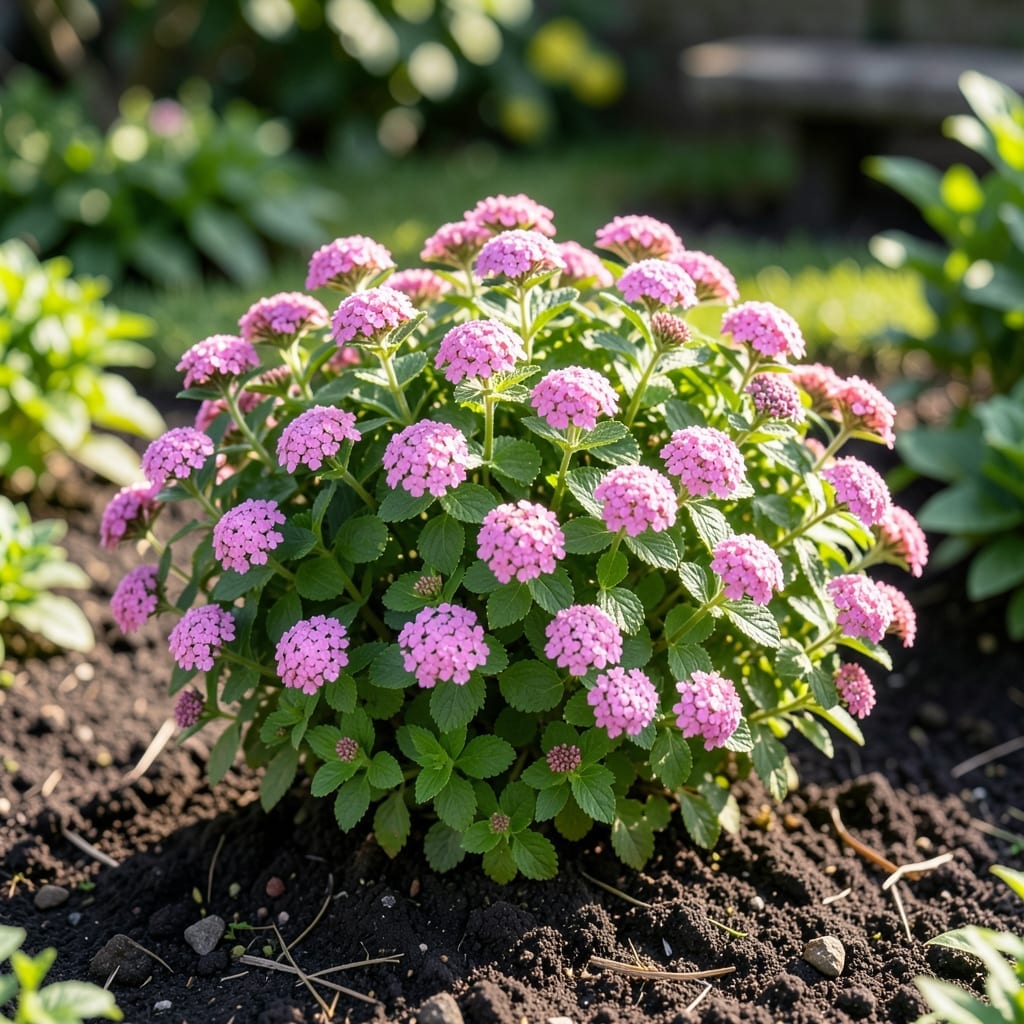
This shrub stops people in their tracks every spring. I planted my first Princess Spirea three years ago, and the cascading pink blooms still make me pause mid-garden-chores just to admire them.
It thrives with minimal fuss—just well-draining soil, full sun, and occasional watering once established. The arching branches create a waterfall effect that looks stunning spilling over walls or along pathways.
You get months of color from a plant that stays compact at 2-3 feet tall. The foliage turns bronze in fall, giving you a second act of beauty when most shrubs are winding down.
Perfect for borders, slopes, or that awkward corner where nothing else seems to work. Here’s how to grow it right.
Even the hardy Princess Spirea can lose its vibrant cascades prematurely. Understanding the root causes helps you keep those soft pink flowers thriving longer. Below are the most common scientific triggers behind early bloom decline.
When temperatures spike above 85°F (29°C), the shrub’s metabolic processes accelerate, shortening the bloom cycle. High heat also increases transpiration, leading to water stress. Without consistent moisture—especially in well-drained but not waterlogged soil—the plant diverts energy from flowering to survival, causing petals to wilt and drop.
A lack of phosphorus (critical for flower production) or potassium (which supports cellular function) can truncate blooming. Soil tests often reveal imbalances; amending with a 10-20-20 fertilizer in early spring ensures the shrub has the resources to sustain its cascading display.
Princess Spirea blooms on old wood. Pruning in late summer or fall—rather than right after flowering—removes the very stems that would produce next year’s buds. This disrupts the natural growth cycle, leading to sparse or absent blooms the following season.
Infestations of spider mites or aphids sap the plant’s vigor, while fungal issues like powdery mildew (thriving in humid, poorly circulated conditions) coat leaves and buds, blocking photosynthesis. Weakened shrubs prioritize defense over flowering, cutting the bloom period short.
Even the hardiest shrubs like the princess spirea can run into trouble. Here’s how to tackle typical problems and keep your plant thriving.
If leaves turn yellow, the roots may be waterlogged. Check the soil—if it’s soggy, amend it with compost or sand to boost drainage. Plant in a raised bed if your garden stays wet. Prevention tip: 💡 Always test soil moisture before watering; stick your finger 1-2 inches deep—only water if dry.
Aphids and spider mites love new growth. Blast them off with a strong stream of water early in the day. For stubborn pests, apply neem oil or insecticidal soap weekly until gone. Prevention tip: 🎯 Encourage ladybugs and lacewings—natural predators—by planting pollinator-friendly flowers nearby.
Harsh winters can damage stems. After frost, prune dead wood back to healthy growth. In late fall, add a 2-3 inch layer of mulch around the base to insulate roots. Prevention tip: ✨ Choose a sheltered spot or use burlap wraps for young plants in exposed areas.
If your shrub looks sparse or overgrown, cut back one-third of the oldest stems to the ground in early spring. This stimulates fresh, compact growth and more blooms. Prevention tip: 🌡️ Prune right after flowering to shape the plant and prevent future legginess.
It typically reaches 2-3 feet tall with a similar spread. Its compact size makes it ideal for borders or small gardens. The arching branches create a graceful, cascading effect.
Plant in full sun for the best blooms. It tolerates partial shade but may produce fewer flowers. Aim for at least 6 hours of direct sunlight daily.
Prune immediately after flowering to avoid cutting off next year’s buds. Remove one-third of the oldest stems to encourage fresh growth. Never prune in late summer or fall.
Yes, it’s generally deer-resistant due to its dense foliage. While not completely deer-proof, they tend to avoid it. For extra protection, use repellents or plant in groups.