
Beautiful Plants For Your Interior
Beautiful Plants For Your Interior
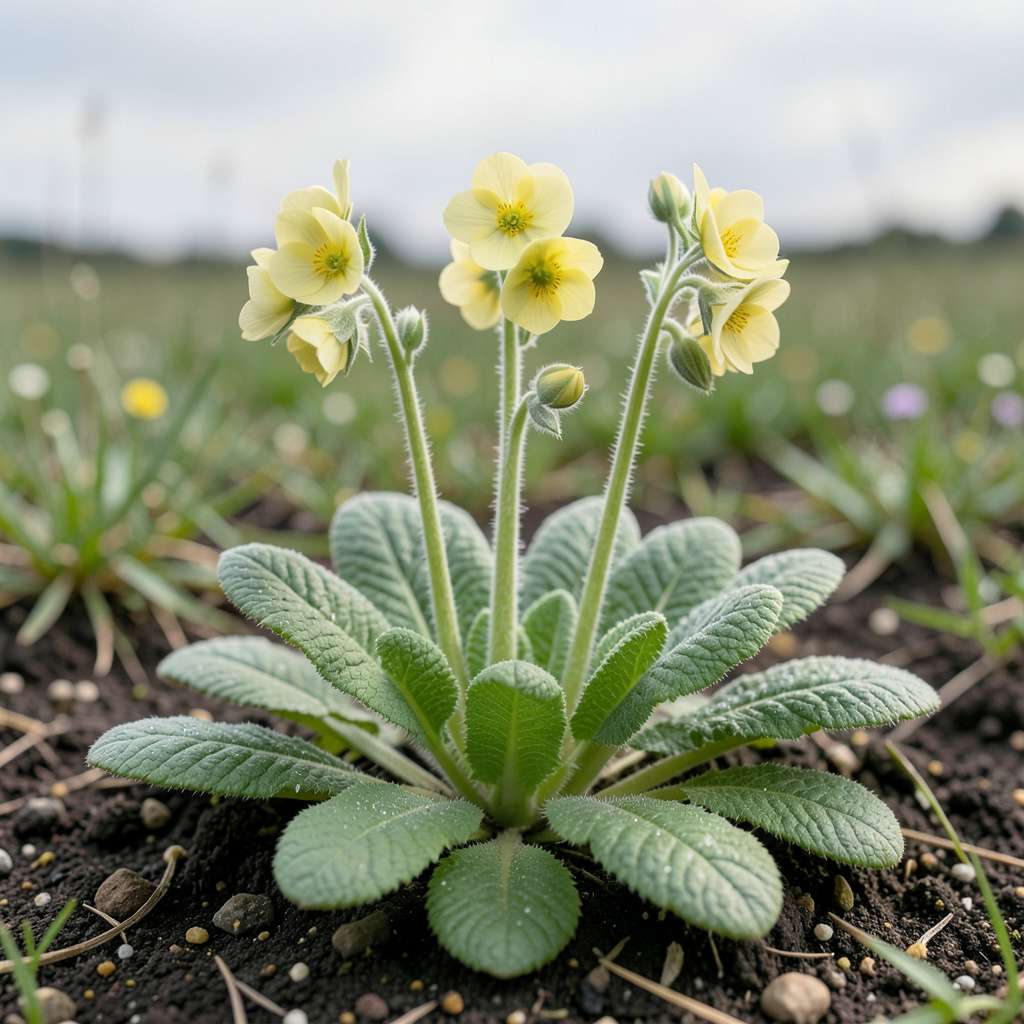
Primrose flowers symbolize youth, renewal, and eternal love, with meanings varying by color—yellow for optimism, pink for affection, and white for purity. They’re often associated with spring’s first bloom and resilience.
I’ve always loved how primroses bridge the gap between winter’s end and spring’s promise. Their delicate petals carry centuries of meaning—Celtic traditions linked them to fairy protection, while Victorians used them to convey secret messages in bouquets. 🌸 The yellow varieties, in particular, seem to radiate sunshine after months of gray, making them a favorite for gardens that need an early pop of color. What’s fascinating is how their hardiness (blooming even in cool weather) mirrors the resilience they symbolize.
💡 In This Article
Primroses have been woven into human stories for millennia, starting with Celtic traditions where they were called “fairy flowers.” The Celts believed primroses marked the doorways between worlds—planting them near homes was thought to invite fairy protection and ward off evil spirits.
This connection to the mystical stems from their early bloom time, often appearing around Imbolc (February 1st), a festival celebrating the first signs of spring and the goddess Brigid’s return. 🌿
The Victorians later codified primrose meanings in their elaborate flower language. A yellow primrose in a bouquet sent a clear message: “I can’t live without you,” while a white one whispered, “My affection is pure.” These meanings weren’t arbitrary—their 5-petaled structure symbolized the five senses, making them tokens of complete devotion.
Norse mythology even claims primroses grew from the goddess Freya’s tears, linking them to fertility and new beginnings.
Medieval herbalists took the symbolism further by using primroses in healing remedies. The 12th-century Physicians of Myddfai prescribed primrose tea for “melancholy of the heart,” believing its golden center could restore joy. This medical use reinforced its symbolic connection to renewal—both physical and emotional.
The plant’s resilience (blooming in 40°F temperatures) made it a living metaphor for overcoming hardship.
What’s fascinating is how these meanings persist today. In modern Wales, primroses are still left on doorsteps on May Day as blessings for the coming year. German folklore warns against picking the first primrose you see—it might belong to fairies who’ll curse your butter churning!
These enduring traditions show how deeply primroses are tied to humanity’s hope for renewal after winter’s darkness. ✨
The color variations carry specific cultural weight too. Scottish clans used yellow primroses as emblems of endurance during harsh highland winters. Meanwhile, pink primroses became popular in 19th-century England as subtle proposals—young men would present them to test a lady’s interest.
Even the plant’s scientific name, Primula (from Latin primus, meaning “first”), reflects its symbolic role as nature’s herald of spring.
Consider these historical layers when you see primroses today:
Each petal carries centuries of human longing for renewal and connection. 💛
Celtic traditions named them “fairy flowers” because they believed primroses marked doorways to magical realms. Planting them near homes was thought to invite fairy protection and ward off evil spirits, especially around Imbolc (February 1st).
Yellow primroses meant “I can’t live without you,” while white ones whispered “pure affection.” Their 5-petaled structure symbolized complete devotion. Pink primroses became popular as subtle romantic proposals in 19th-century England.
With proper care, primroses last 7-10 days in bouquets. Recut stems every 2 days and change water daily. For evening events, Oenothera (evening primrose) opens at dusk, symbolizing hope during dark times.
Primula veris (cowslip) thrives in poor soil and blooms early, making it perfect for resilience symbolism. Pair it with hellebores and snowdrops in a “resilience corner” of your garden, spacing plants 12 inches apart.
Choose Primula obconica (German primrose) in terracotta pots with a handwritten note explaining its color meaning. Add rosemary for “remembrance” and use seeded paper tags for care instructions. This transforms a simple plant into a lasting keepsake.
