
Beautiful Plants For Your Interior
Beautiful Plants For Your Interior
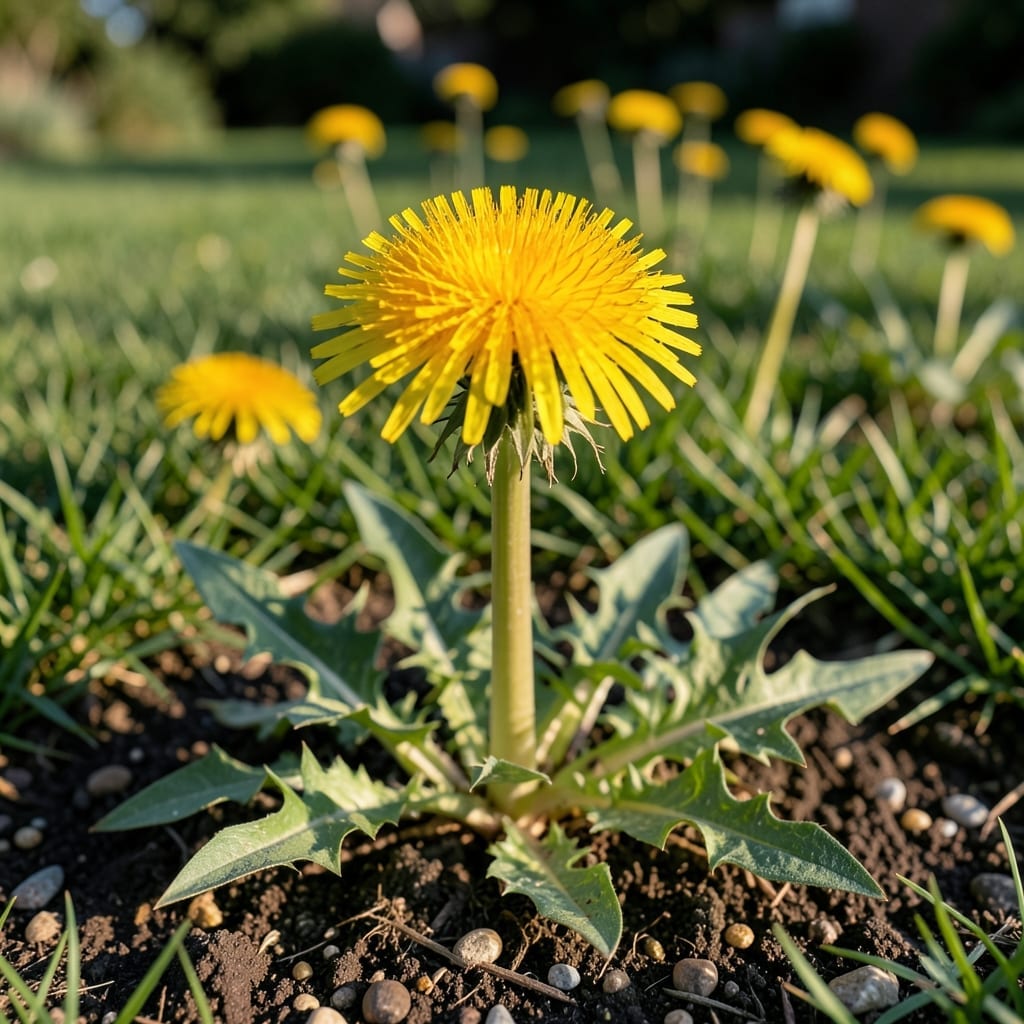
Barefoot mornings ruined by hidden stickers in the grass. I’ve spent too many summers pulling these invaders from my lawn, only to watch them return with a vengeance.
The key isn’t just yanking them out—it’s understanding why they keep coming back. Weak lawn spots, compacted soil, or poor mowing habits create the perfect opening for these stubborn weeds.
With the right approach, you can evict them for good and reclaim your yard. A strong, dense lawn is your best defense, but targeted removal gets you there faster.
Works for any grass type, any climate. Here’s how to take back your lawn.
Prickly weeds in your lawn don’t just appear out of nowhere—they thrive when conditions are right. Understanding why they take hold is the first step to reclaiming your turf. Here’s a breakdown of the most common culprits:
Thin, compacted, or nutrient-deficient soil creates an open invitation for weeds. Most prickly invaders, like stinging nettle or thistle, are opportunists that capitalize on weak grass. When soil lacks organic matter or has poor drainage, grass struggles to compete, leaving bare spots for weeds to colonize.
Inconsistent moisture levels stress your lawn. Overwatering can leach nutrients and encourage weed seeds to germinate, while drought-stressed grass thins out, exposing soil. Prickly weeds like puncture vine often germinate in these gaps, as they’re drought-tolerant and outcompete parched turf.
Some prickly weeds (e.g., spiny sowthistle) thrive in full sun, while others (like creeping wood sorrel) prefer shade. If your lawn has uneven light exposure—due to trees, buildings, or poor grass selection—weeds will fill the niches your grass can’t.
Cutting grass too short (scalping) weakens it, reducing its ability to shade the soil and block weed seeds from sprouting. Prickly weeds often have deep roots or low-growing habits, letting them survive even when the lawn is mowed high. Aim to keep grass at 3–4 inches to outcompete invaders.
Many prickly weeds produce seeds with barbs or parachutes (e.g., goat’s head or burdock) that hitch rides on shoes, pet paws, or the wind. Once introduced, these seeds can lie dormant for years until conditions—like disturbed soil—trigger germination.
Dealing with prickly weeds can be frustrating, but with the right approach, you can reclaim your lawn. Below are targeted solutions for common causes, along with prevention tips to keep them from returning.
If your lawn is tall or sparse, weeds find it easier to take root. Mow regularly to keep grass at the ideal height (usually 2–3 inches). After mowing, aerate the soil to improve air and water circulation, which helps grass outcompete weeds. Pro tip: 💡 Seed bare spots immediately after aerating to fill gaps where weeds might grow.
Weeds thrive in compacted or nutrient-poor soil. Test your soil’s pH and amend it with compost or organic fertilizer to boost grass health. Healthy grass crowds out weeds naturally. For quick results, apply a pre-emergent herbicide in early spring to stop weed seeds from sprouting.
Overwatering or underwatering can stress your lawn, leaving room for weeds. Water deeply but infrequently—about 1 inch per week, including rainfall. Early morning is the best time to water, as it reduces evaporation and fungal growth. Pro tip: 💡 Use a rain gauge to track water levels and avoid overdoing it.
Prevent weeds before they start by laying down mulch or landscape fabric in garden beds. For lawns, apply corn gluten meal in early spring as a natural pre-emergent. Regularly inspect your lawn for new weeds and pull them before they seed to stop the cycle.
With consistency, these steps will help you eliminate prickly weeds and maintain a lush, healthy lawn. Stay proactive, and your grass will thank you!
Look for low-growing plants with thorns or burrs. Common types include goat’s head with its spiky seed pods and thistle with sharp spines on leaves.
Yes, but wear thick gloves and use a weeding tool for deep roots. Pull when soil is moist for easier removal. Remove the entire root to prevent regrowth.
Spot-treat with vinegar-based solutions or apply corn gluten meal as a natural pre-emergent. Always test on a small area first.
Maintain a thick lawn by mowing at 3-4 inches, watering deeply 1 inch per week, and fertilizing in spring/fall. Healthy grass crowds out weeds.