
Beautiful Plants For Your Interior
Beautiful Plants For Your Interior
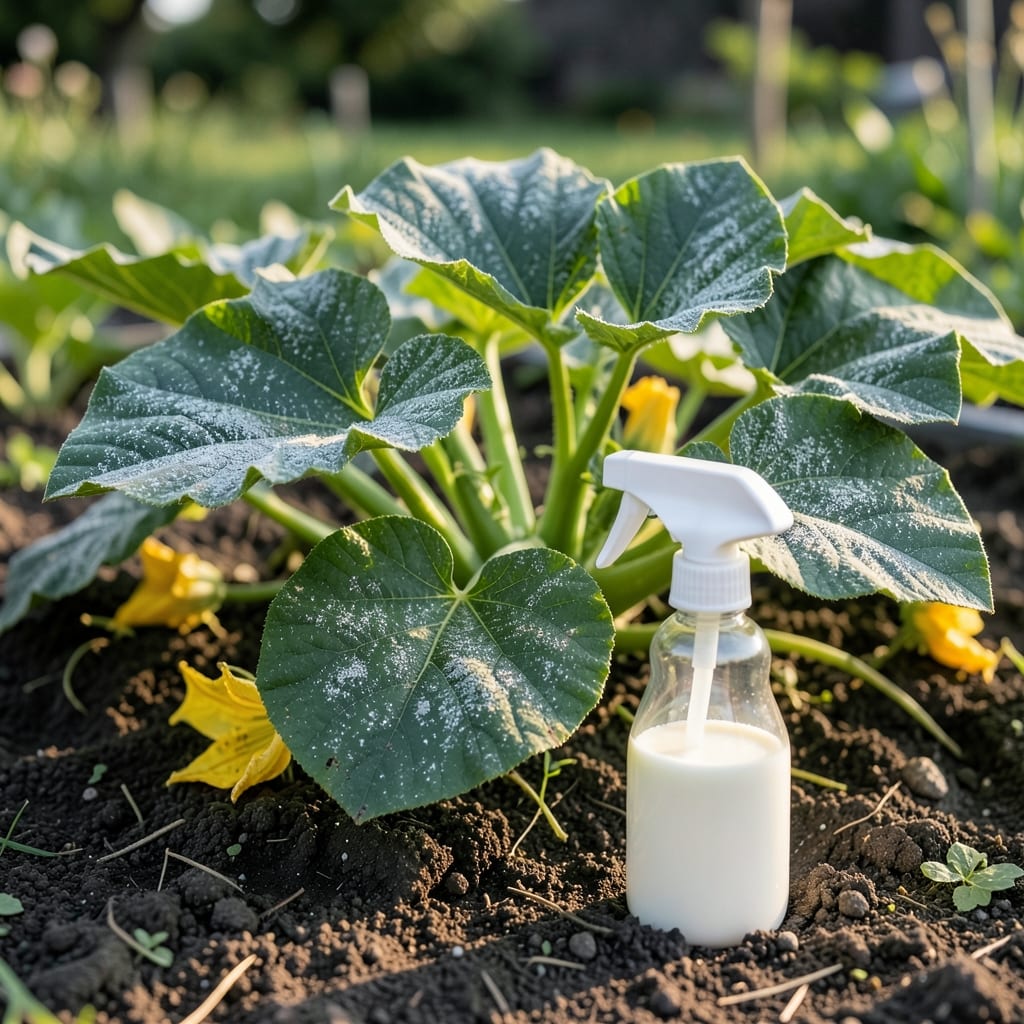
That white dust on your leaves isn’t just ugly—it’s stealing your plant’s energy. I fought powdery mildew for years before discovering the simplest solution hiding in my fridge.
Turns out milk’s natural proteins create a protective barrier that stops spores in their tracks. No harsh chemicals, just a spray bottle and what you likely already have on hand. Works on roses, cucumbers, even your prized squash.
First treatment shows results in 48 hours, with full recovery in a week. The plants look healthier, grow stronger, and resist future attacks better than anything I’ve tried.
Prevents new outbreaks too. One spray a week keeps your garden thriving without the white menace returning.
Powdery mildew thrives due to specific environmental and biological factors. Understanding these causes helps you prevent and treat outbreaks effectively.
The fungus Erysiphales (the culprit behind powdery mildew) loves stagnant, humid air. When moisture lingers on plant leaves—especially in crowded gardens or greenhouses—it creates the perfect breeding ground. Air circulation disrupts spore settlement, so poor ventilation accelerates infestations.
This disease flourishes in temperatures between 60–80°F (15–27°C) with low rainfall. Unlike other fungi, powdery mildew doesn’t need wet leaves to grow—just high relative humidity (60–90%). The temperature swings between warm days and cool nights stress plants, making them more susceptible.
Dense plantings block airflow and sunlight, two natural defenders against powdery mildew. Additionally, stressed plants—whether from drought, poor soil, or improper pruning—produce fewer defensive compounds, leaving them vulnerable. Over-fertilizing with nitrogen can also promote lush, weak growth that attracts the fungus.
Some plants are genetically prone to powdery mildew, including roses, cucumbers, squash, and grapes. If you’ve had recurring issues, check if your plants are high-risk. Even resistant varieties can succumb under poor conditions, but starting with less vulnerable species reduces the need for interventions like milk sprays.
Powdery mildew doesn’t have to mean the end for your plants. Try these targeted fixes to restore their health and keep the fungus at bay.
With these simple yet effective strategies, your garden can bounce back—and stay mildew-free! ✨
Apply every 3–5 days for active infections. For prevention, a weekly spray keeps plants protected. Always use at the first sign of white spots for best results.
Both whole and skim milk work, as the proteins are the active ingredient. Avoid expired milk, as it may harm plants. Dilute with water at a 1:9 ratio for best coverage.
Yes, it’s safe for most plants, including roses, cucumbers, and squash. Test on a small area first if unsure. Avoid using on very delicate or drought-stressed plants.
Milk’s natural proteins disrupt the fungus’s growth, while salts act as a mild disinfectant. This creates an unfavorable environment for spores to spread.