
Beautiful Plants For Your Interior
Beautiful Plants For Your Interior
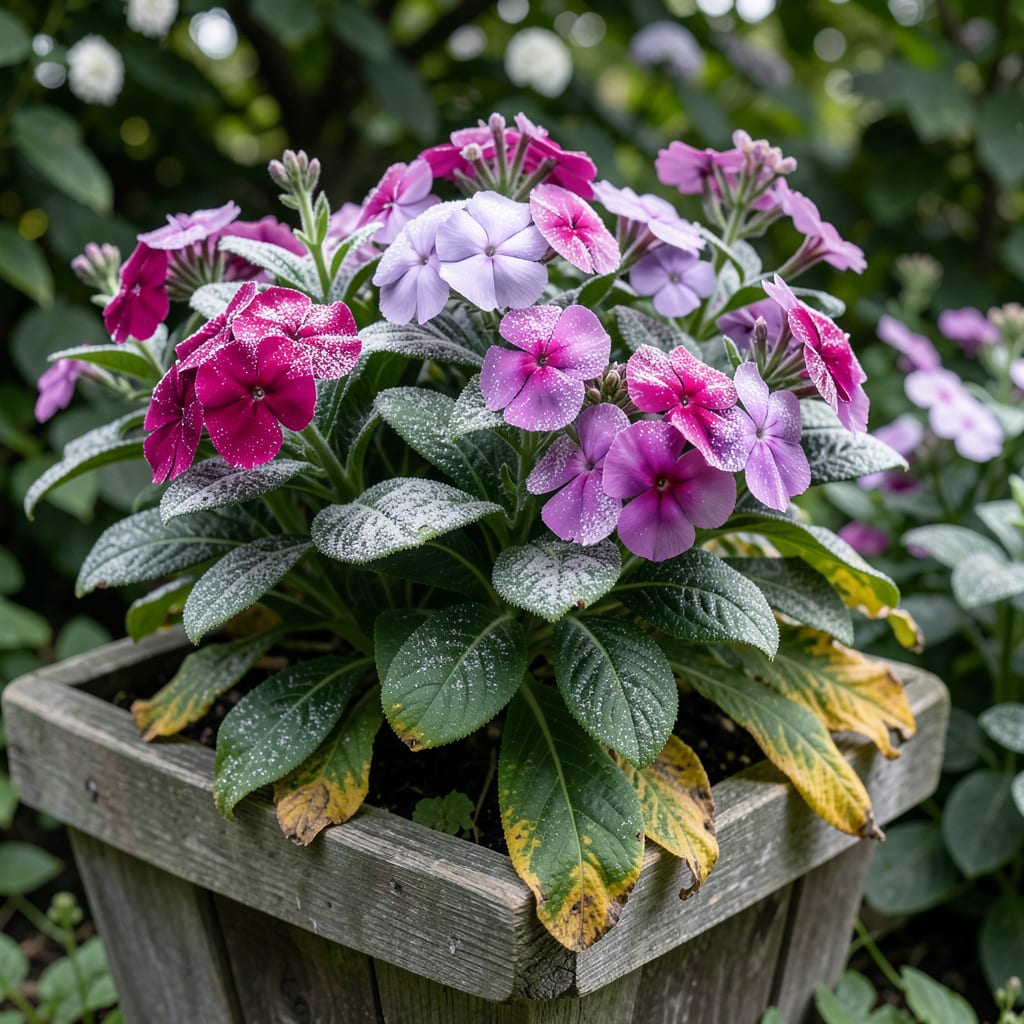
That white dust on your phlox leaves isn’t just unsightly—it’s stealing your blooms. I lost an entire patch of phlox to powdery mildew my first year, and I don’t want you making the same mistakes.
This fungus thrives in warm, dry conditions with poor air circulation. The good news? A few simple tweaks to watering, spacing, and pruning can stop it before it starts. No fancy equipment required—just consistent care.
Your phlox will reward you with healthy, vibrant flowers all season long. The key is catching it early and acting fast.
Works for all phlox varieties, whether you’re growing tall garden types or low-spreading ground covers. Prevention is easier than cure.
Powdery mildew on phlox plants doesn’t appear out of nowhere—it thrives under specific conditions. Understanding these triggers helps you prevent and manage outbreaks effectively. Below are the primary causes behind this pesky fungal issue.
The fungus Podosphaera (a common culprit for phlox) spreads rapidly in environments with high humidity (60-80%) and stagnant air. Dense plantings, overhead watering, or shaded areas with little breeze create the perfect breeding ground. Without proper ventilation, moisture lingers on leaves, giving spores the damp surface they need to germinate.
Watering from above wets the foliage, and if leaves stay damp for 6+ hours, powdery mildew spores can take hold. Phlox leaves are especially susceptible when water sits in the leaf axils (where leaves meet stems). Switch to drip irrigation or soaker hoses to keep foliage dry and reduce risk.
Some phlox cultivars are genetically more prone to infection. Tall garden phlox (Phlox paniculata) is particularly vulnerable, while Phlox subulata (creeping phlox) is more resistant. If your garden has a history of mildew, opt for mildew-resistant varieties like ‘David’ or ‘Bright Eyes’ to minimize issues.
Powdery mildew thrives in warm days (70-80°F) paired with cool nights (50-60°F). These swings stress the plant and slow leaf drying, creating ideal conditions for spores to colonize. In regions with such climates, proactive fungicide applications (like neem oil or sulfur-based sprays) can be a game-changer.
Tackling powdery mildew on your phlox doesn’t have to be complicated. Below are targeted fixes for common causes, along with prevention tips to keep your plants thriving. 🌿
Crowded plants trap humidity, creating a playground for mildew. Fix: Thin out dense foliage by pruning overcrowded stems, especially in the center of the plant. Space phlox plants at least 18–24 inches apart to allow airflow. For existing infections, remove heavily affected leaves to reduce spore spread.
Prevention tip: 💡 Plant phlox in open, breezy spots and avoid overhead watering to keep foliage dry.
Wet leaves + warm nights = mildew heaven. Fix: Water at the base of the plant using a soaker hose or drip irrigation, and do it in the early morning so leaves dry quickly. If humidity is unavoidable (like in greenhouses), use a small fan to improve air movement.
Prevention tip: ✨ Mulch around the base to retain soil moisture, reducing the need for frequent watering.
If mildew has already appeared, act fast. Fix: Spray affected plants with a baking soda solution (1 tsp baking soda + 1 quart water + a few drops of dish soap) or neem oil (mix as directed). Apply every 7–10 days until the issue clears. For severe cases, use a copper-based fungicide, following label instructions.
Prevention tip: 🎯 Rotate fungicides to prevent resistance, and always treat both sides of the leaves.
Stressed phlox are more susceptible. Fix: Fertilize with a balanced, slow-release product to strengthen plants, but avoid high-nitrogen formulas, which promote soft growth that’s mildew-prone. Remove and destroy (not compost!) severely infected plant debris to stop spores from overwintering.
Prevention tip: 🌡️ Choose mildew-resistant phlox varieties like ‘David’ or ‘Bright Eyes’ for future plantings.
Yes! Remove heavily infected leaves first, then apply neem oil or a baking soda solution every 7-10 days. Improve airflow by thinning stems. Most plants recover with consistent care.
Space plants 18-24 inches apart, water at the base in the morning, and choose resistant varieties like ‘David’. Mulch helps reduce humidity around leaves.
Spores overwinter in plant debris. Always remove and destroy (never compost) infected foliage in fall. Rotate fungicides to prevent resistance.
Vinegar can work as a mild fungicide (mix 2 tablespoons with 1 gallon of water), but it may harm leaves. Test on a small area first.
