
Beautiful Plants For Your Interior
Beautiful Plants For Your Interior
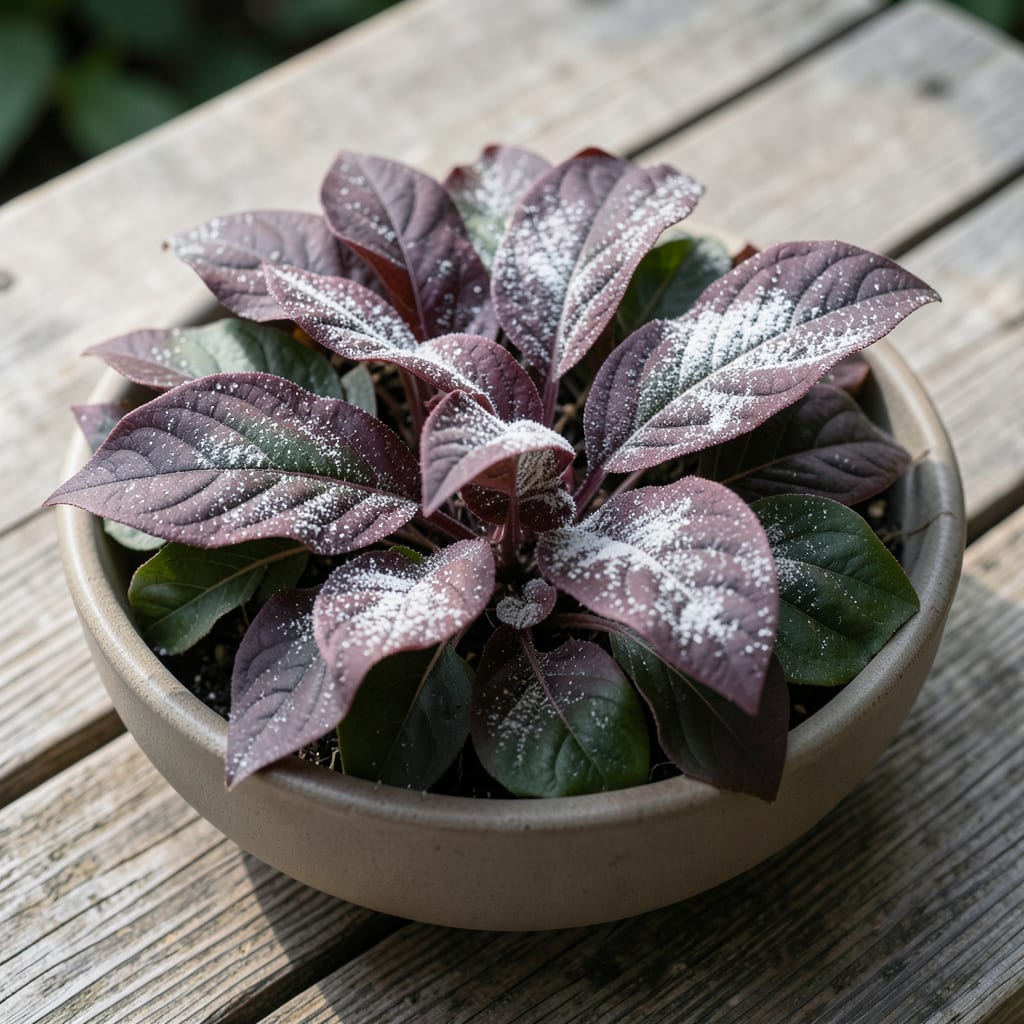
White powder on your ninebark leaves means trouble. I spotted this on my own shrubs last summer and knew I had to act fast before it spread.
Powdery mildew thrives in humid conditions with poor air circulation. The good news is it’s treatable without harsh chemicals. A simple baking soda spray or neem oil application can stop it in its tracks.
Prevention is even easier. Space plants properly, water at the base, and prune for airflow. These small changes make a big difference in keeping your ninebark healthy.
With consistent care, your shrubs will bounce back with their characteristic vibrant foliage. The key is catching it early and staying vigilant.
Powdery mildew on ninebark often appears due to a combination of environmental and biological factors. Understanding these triggers helps you address the issue effectively.
The fungus Podosphaera or Erysiphe spp. thrives in humid conditions (60–80% relative humidity) paired with stagnant air. Ninebark plants in crowded gardens or shaded areas with limited airflow are prime targets. Prune nearby vegetation to improve circulation and reduce moisture retention on leaves.
Wet foliage, especially from evening watering, creates a perfect breeding ground. The spores germinate within hours when leaves stay damp. Water at the base of the plant early in the day to allow foliage to dry quickly under sunlight.
Some ninebark cultivars (Physocarpus opulifolius) are genetically more vulnerable. Older or stressed plants with weak cell walls are easier for spores to penetrate. Opt for resistant varieties like ‘Amber Jubilee’ or ‘Little Devil’ if mildew is recurrent.
Excess nitrogen promotes lush, soft growth that’s less resistant to fungal attacks, while potassium or phosphorus deficiencies weaken plant defenses. Use a balanced fertilizer and avoid over-fertilizing with nitrogen-rich products.
Powdery mildew on your ninebark can be frustrating, but these targeted solutions will help you tackle the issue head-on and keep your plants healthy. Below, we break down fixes for common causes, plus prevention tips to stop it from coming back.
Ninebark thrives in well-ventilated areas. If your plant is crowded or in a stuffy spot, prune nearby foliage to allow airflow. Space plants at least 3–4 feet apart. For potted ninebark, move it to a breezier location or use a small fan on low to keep air moving.
Wet leaves are a powdery mildew magnet. Switch to drip irrigation or a soaker hose to water at the soil level, keeping foliage dry. If you must use a sprinkler, water early in the morning so leaves dry quickly in the sun. Pro tip: 💡 Avoid watering in the evening—dampness overnight fuels fungal growth.
Ninebark in humid climates or shaded areas is more susceptible. Thin out dense growth to improve airflow, and consider mulching with gravel or stones instead of organic mulch to reduce ground moisture. In greenhouses or covered patios, use a dehumidifier if humidity stays above 60%.
For active infections, spray affected leaves with a homemade solution of 1 tablespoon baking soda, 1 teaspoon dish soap, and 1 gallon of water. Apply weekly until the mildew clears. Alternatively, use neem oil or sulfur-based fungicides (follow label instructions). Always test on a small area first to avoid leaf burn.
Apply homemade baking soda spray or neem oil every 7-10 days until the issue clears. For severe cases, you may need 3-4 treatments. Always reapply after rain.
Yes, a 1:3 vinegar-water mix can work, but test first as it may harm sensitive foliage. Dilute properly and avoid using on hot, sunny days.
Prune in late winter or early spring before new growth starts. This improves airflow and removes potential spore sources from last season.
Yes, powdery mildew spores travel easily. Keep affected ninebark isolated and avoid overhead watering nearby plants to prevent cross-contamination.
