
Beautiful Plants For Your Interior
Beautiful Plants For Your Interior
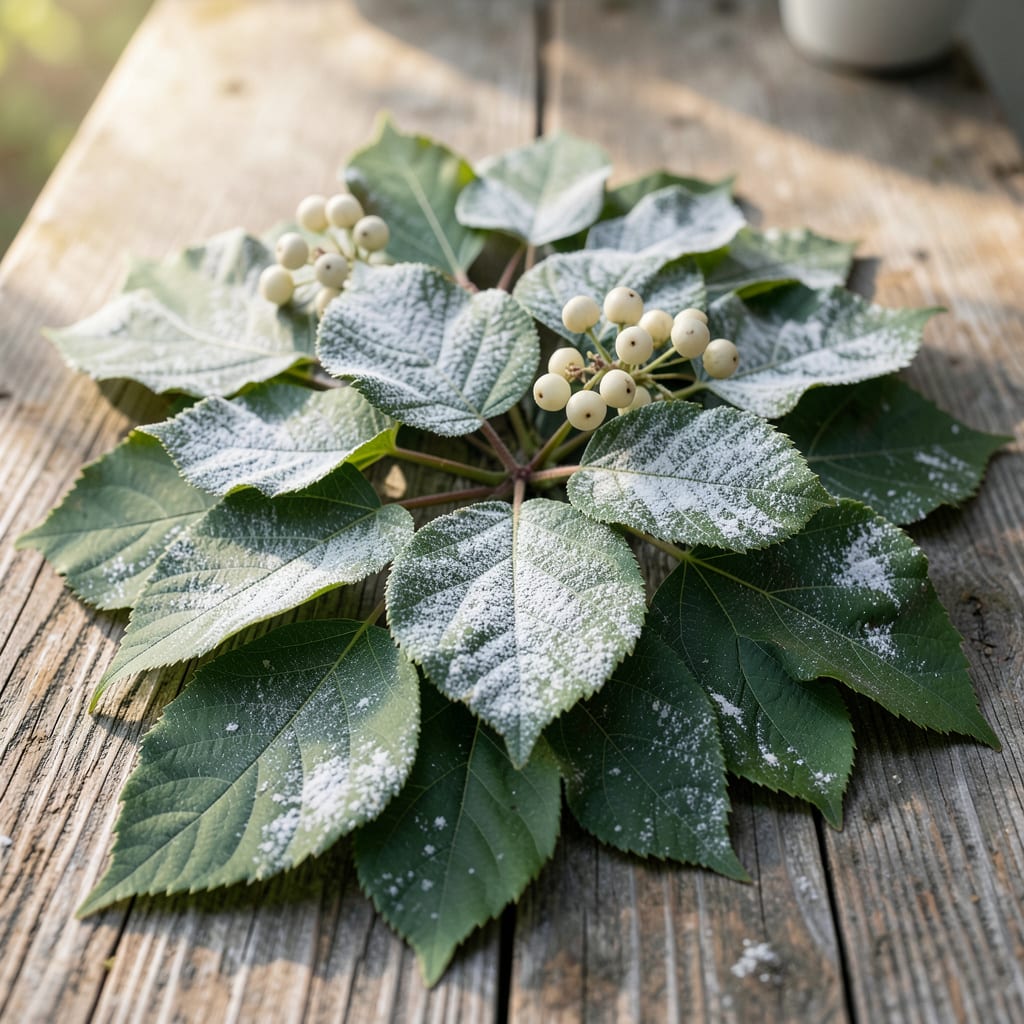
White powder on your dogwood leaves isn’t dandruff—it’s trouble. I spotted this on my own tree last summer and learned the hard way that early action is everything.
Powdery mildew spreads fast in humid weather, coating leaves and stunting growth. The good news? It won’t kill your tree overnight, but left untreated, it weakens the plant year after year.
Organic solutions like neem oil or baking soda spray work surprisingly well. I’ve tested both with great results—just requires consistency and proper timing.
Prevention is simpler than cure: improve airflow, water at the base, and clean up fallen leaves. Your dogwood will thank you with healthy, vibrant foliage.
Powdery mildew thrives on dogwoods due to a mix of environmental factors and plant vulnerabilities. Here’s why it happens:
The fungus Erysiphe pulchra (a common pathogen for dogwoods) spores germinate in humid conditions (60-80%) but low moisture on leaf surfaces. Crowded plantings, dense canopies, or shaded areas trap moisture, creating the perfect breeding ground. Unlike other fungi, powdery mildew doesn’t need free water—just high relative humidity in the air.
Some dogwood species and cultivars are genetically prone to infection. Flowering dogwoods (Cornus florida) and Kousa dogwoods (Cornus kousa) are frequent targets, especially if they’re stressed or poorly maintained. New growth and tender leaves are most vulnerable, as their thin cuticles offer less resistance to fungal penetration.
Watering from above wets the foliage, and while powdery mildew doesn’t require wet leaves to spread, evening or late-day watering prolongs leaf surface moisture. This slows evaporation, giving spores more time to settle and colonize. Drip irrigation or soaker hoses at the base of the plant are safer alternatives.
Excess nitrogen promotes lush, soft growth—a favorite of powdery mildew. Meanwhile, deficiencies in potassium or phosphorus weaken the plant’s natural defenses. A balanced fertilizer (e.g., 10-10-10) and regular soil testing help maintain resilience.
Powdery mildew on dogwoods can be managed effectively with the right approach. Below are targeted solutions based on the underlying causes, along with prevention tips to keep your trees healthy.
Cause: Poor airflow creates a humid environment where powdery mildew thrives.
Fix: Prune nearby plants or branches to allow better air circulation around the dogwood. Space new plantings appropriately to prevent overcrowding. A gentle breeze can help dry foliage faster, reducing mildew risk.
💡 Prevention Tip: Regularly thin out dense areas in your garden to maintain good airflow year-round.
Cause: Overhead watering or excessive moisture on leaves promotes fungal growth.
Fix: Water the dogwood at the base early in the day, so leaves dry quickly. Use drip irrigation or a soaker hose to keep foliage dry while ensuring the roots get enough moisture.
💡 Prevention Tip: Avoid late evening watering, as damp leaves overnight are a breeding ground for mildew.
Cause: Shady spots with limited sunlight encourage fungal development.
Fix: Trim surrounding trees or structures that block sunlight from reaching the dogwood. If possible, relocate potted dogwoods to sunnier areas.
💡 Prevention Tip: Plant dogwoods in locations with at least 6 hours of sunlight daily to naturally inhibit mildew.
Cause: Existing fungal spores need to be controlled to stop the spread.
Fix: Spray affected areas with organic fungicides like neem oil, sulfur-based sprays, or baking soda solutions (1 tbsp baking soda + 1 tsp dish soap + 1 gallon water). Reapply every 7–10 days or after rain.
💡 Prevention Tip: Apply a preventive spray in early spring before mildew appears, especially if your dogwood has had issues before.
Cause: Fallen leaves and plant debris harbor fungal spores over winter.
Fix: Rake and remove all fallen leaves, twigs, and other debris from around the dogwood. Dispose of infected material in the trash (not compost) to prevent reinfection.
💡 Prevention Tip: Keep the area under the tree clean year-round to minimize spore survival.
Yes, a diluted vinegar solution can help. Mix 2 tablespoons of apple cider vinegar with 1 gallon of water and spray it on affected leaves. Reapply every 5-7 days or after rain for best results.
Remove heavily infected leaves and branches to improve airflow and reduce spore production. Always sterilize pruning tools with rubbing alcohol between cuts to prevent spreading the fungus.
Check your tree weekly during humid seasons, especially after rain. Early detection allows for quicker treatment. Focus on new growth and the undersides of leaves where powdery mildew often starts.
No. Always dispose of infected plant material in the trash, not compost. The fungus can survive and reinfect your garden. Bag and remove all debris to prevent recurrence.
