
Beautiful Plants For Your Interior
Beautiful Plants For Your Interior
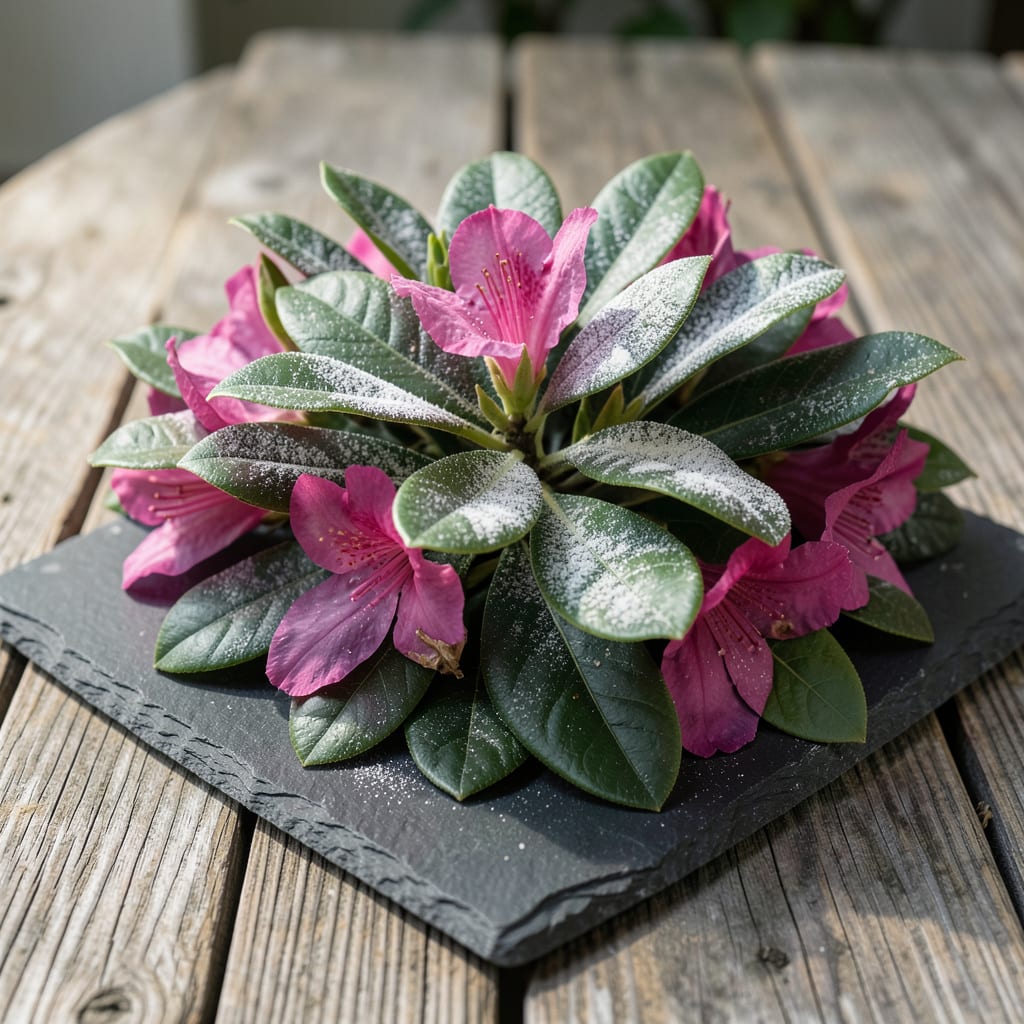
White dust on your azaleas means trouble. I spotted it on my prized shrubs last spring and panicked—turns out, powdery mildew spreads fast but can be stopped.
This fungus thrives in humid, shaded spots with poor air flow. My azaleas bounced back once I improved circulation and adjusted watering. The key is catching it early before it weakens the plants.
With the right treatment, you’ll see clean, healthy foliage within 2-3 weeks. Organic sprays work, but prevention saves more plants long-term.
Works for all azalea varieties, in ground or containers. Here’s how to tackle it head-on.
Powdery mildew on azaleas thrives under specific environmental conditions, often leaving gardeners frustrated. 🌿 Below are the primary causes of this fungal issue, each backed by science and actionable insights.
This fungus, Erysiphe azaleae, prospers in humid environments with stagnant air. When azaleas are planted too closely or in shaded, poorly ventilated areas, moisture lingers on leaves, creating an ideal breeding ground. Solution: Space plants properly and prune to improve airflow.
Wet foliage, especially from evening watering, extends leaf moisture retention. Powdery mildew spores germinate within hours on damp surfaces. Solution: Water at the base early in the day to allow foliage to dry quickly.
Some azalea cultivars, particularly evergreen types like Rhododendron spp., are genetically more vulnerable. Their dense canopies trap humidity, accelerating fungal growth. Solution: Opt for resistant varieties like ‘Girard’s Fuchsia’ or ‘Delaware Valley White.’
Cool nights (50–60°F) followed by warm days (70–80°F) stress azaleas, weakening their defenses. This temperature swing is a known trigger for powdery mildew outbreaks. Solution: Use mulch to stabilize soil temperature and reduce plant stress.
Excess nitrogen promotes lush, soft growth that’s more susceptible to infection. Conversely, potassium deficiency weakens cell walls. Solution: Test soil and adjust fertilization—prioritize balanced, slow-release formulas.
Addressing these root causes can significantly reduce powdery mildew’s grip on your azaleas. 💡
Powdery mildew can be stubborn, but these targeted fixes will help restore your azaleas to their vibrant best. Act quickly for the best results!
Overcrowded plants trap moisture, creating a playground for mildew. Thin out dense foliage by pruning affected branches with clean, sharp shears. Space azaleas at least 3 feet apart to allow airflow. A small fan on low can also help in stagnant areas.
Wet leaves are a mildew magnet. Water at the base early in the day so foliage dries before evening. Switch to drip irrigation if overhead watering is unavoidable. Avoid wetting leaves, especially in humid weather.
Powdery mildew thrives in shade. Relocate potted azaleas to sunnier spots or trim nearby trees to let light reach in-ground plants. Aim for at least 4–6 hours of morning sun, which helps dry dew quickly.
For mild cases, spray with a mix of 1 tablespoon baking soda, 1 teaspoon dish soap, and 1 gallon of water weekly until symptoms fade. For tougher infections, use a copper- or sulfur-based fungicide (follow label instructions). Neem oil is another effective organic option—apply in the evening to avoid leaf burn.
With consistent care, your azaleas will bounce back and stay mildew-free!
Look for white, powdery spots on leaves, stems, or flowers. It often starts on lower leaves and spreads upward. Check undersides too, as mildew can hide there.
Rarely fatal, but severe infections weaken plants, reducing blooms and growth. Early treatment prevents long-term damage. Act at the first sign of white residue.
Vinegar isn’t effective and may harm foliage. Stick to proven remedies like baking soda spray or neem oil. Always test on a small area first.
With proper treatment, you’ll see improvement in 1-2 weeks. Full recovery takes 2-3 weeks, depending on severity and consistency of care.
