
Beautiful Plants For Your Interior
Beautiful Plants For Your Interior
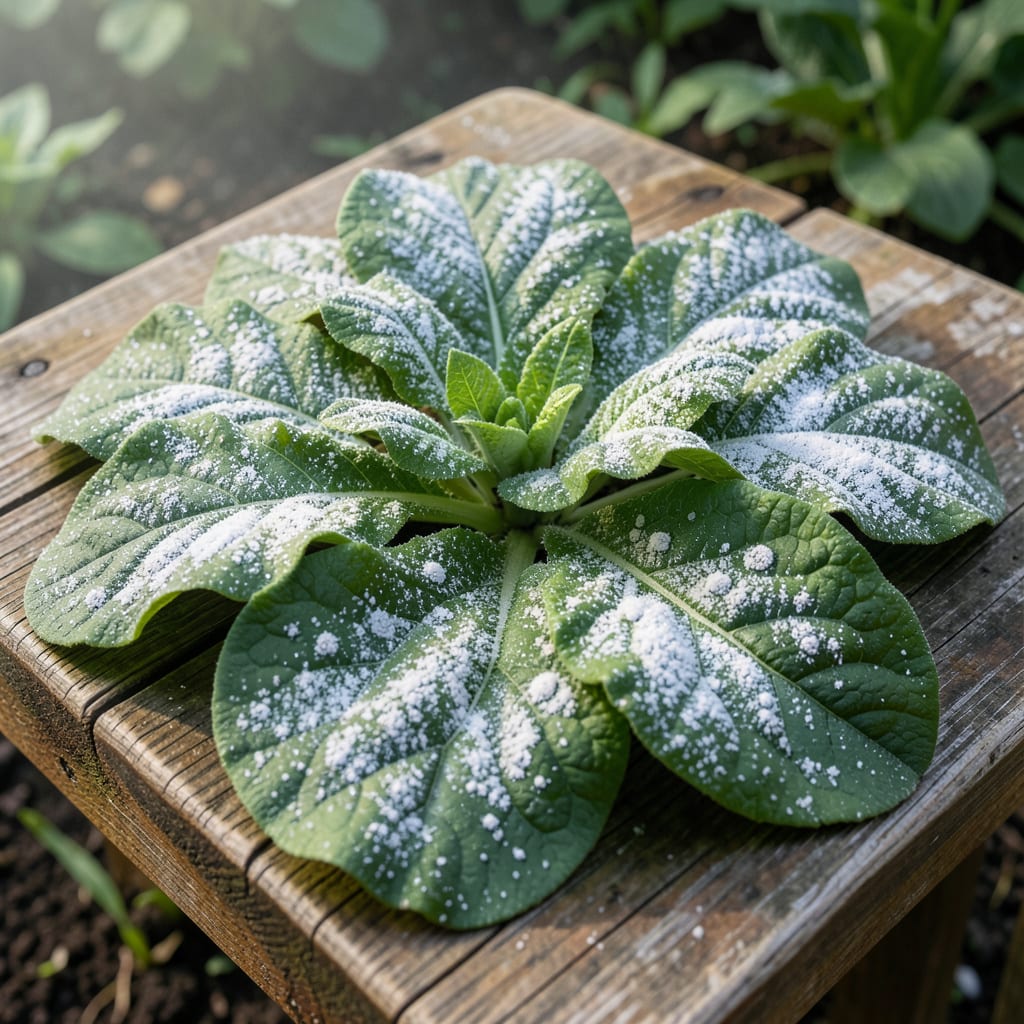
White dust on your leaves isn’t just unsightly—it’s a silent plant killer. I’ve watched powdery fungus spread through a garden in 48 hours, turning healthy plants into struggling survivors.
Here’s the thing—this isn’t just one disease, but a family of fungi that thrive in dry, warm conditions. They love crowded plants, poor air flow, and stressed foliage. My first outbreak taught me that prevention starts with spacing and smart watering.
You can fight back with simple fixes: baking soda sprays, neem oil, or even milk solutions. The key is catching it early before it weakens your plants and spreads to neighbors.
Works for roses, cucumbers, squash, and most ornamentals. Let’s stop this before it starts.
Powdery fungus, often called powdery mildew, thrives under specific conditions that weaken a plant’s defenses. Here’s a breakdown of the most common causes:
This fungus flourishes in environments with high humidity (60-80%) but low moisture on the leaves. Crowded plants, dense canopies, or stagnant air create the perfect breeding ground. Unlike other fungi, powdery mildew doesn’t need wet leaves to spread—just humid air.
Temperature swings are a major trigger. Powdery mildew spores germinate best in warm daytime temps (70-80°F) followed by cool nights (50-60°F). These conditions stress plants, making them more susceptible to infection.
While the fungus doesn’t require wet leaves, watering from above can wash away protective natural oils on foliage, leaving plants vulnerable. Drip irrigation or soaker hoses at the base are safer alternatives.
Some plants are genetically more prone to powdery mildew, including roses, cucumbers, zucchini, and squash. New growth, especially tender shoots, is often the first to show white, powdery spots.
Excess nitrogen promotes lush, soft growth—exactly the kind of tissue powdery mildew loves. Balance fertilizers with potassium and phosphorus to strengthen cell walls and improve resistance.
Tackling powdery fungus on plants starts with identifying the cause and applying the right fix. Here’s a practical guide to solving the issue, organized by common triggers and their solutions.
Overcrowded plants or stagnant air create the perfect environment for powdery mildew. Fix it by spacing plants farther apart to allow airflow. Use a small fan on low to keep air moving, especially in indoor gardens. Prevention tip: Prune dense foliage regularly to reduce humidity buildup.
Too much moisture fuels fungal growth. Fix it by watering at the base of the plant (not the leaves) and only when the top inch of soil is dry. For high humidity, use a dehumidifier or move plants to a drier spot. Prevention tip: 💡 Water early in the day so foliage dries quickly in the sun.
Shady, damp areas encourage powdery fungus. Fix it by relocating plants to sunnier spots or thinning nearby trees to let in more light. For indoor plants, supplement with grow lights. Prevention tip: Rotate potted plants weekly to ensure even light distribution.
If you spot white, powdery spots, act fast. Fix it by removing heavily infected leaves or stems and disposing of them in the trash (not compost). Treat remaining foliage with a DIY spray of 1 part milk to 9 parts water or a commercial fungicide. Prevention tip: ✨ Inspect plants weekly for early signs of trouble.
Consistency is key—combine these fixes with good gardening practices to keep powdery fungus at bay!
Certain varieties like roses, cucumbers, and squash are naturally more susceptible. Their tender new growth lacks the resistance of tougher plants.
Yes, spores travel through air and water. Isolate infected plants and avoid overhead watering to prevent spreading.
A 1:9 milk-water spray or baking soda solution works well. Apply weekly until the issue clears.
Act at the first sign of white spots. Early morning is ideal for sprays to dry quickly and avoid leaf burn.
