
Beautiful Plants For Your Interior
Beautiful Plants For Your Interior
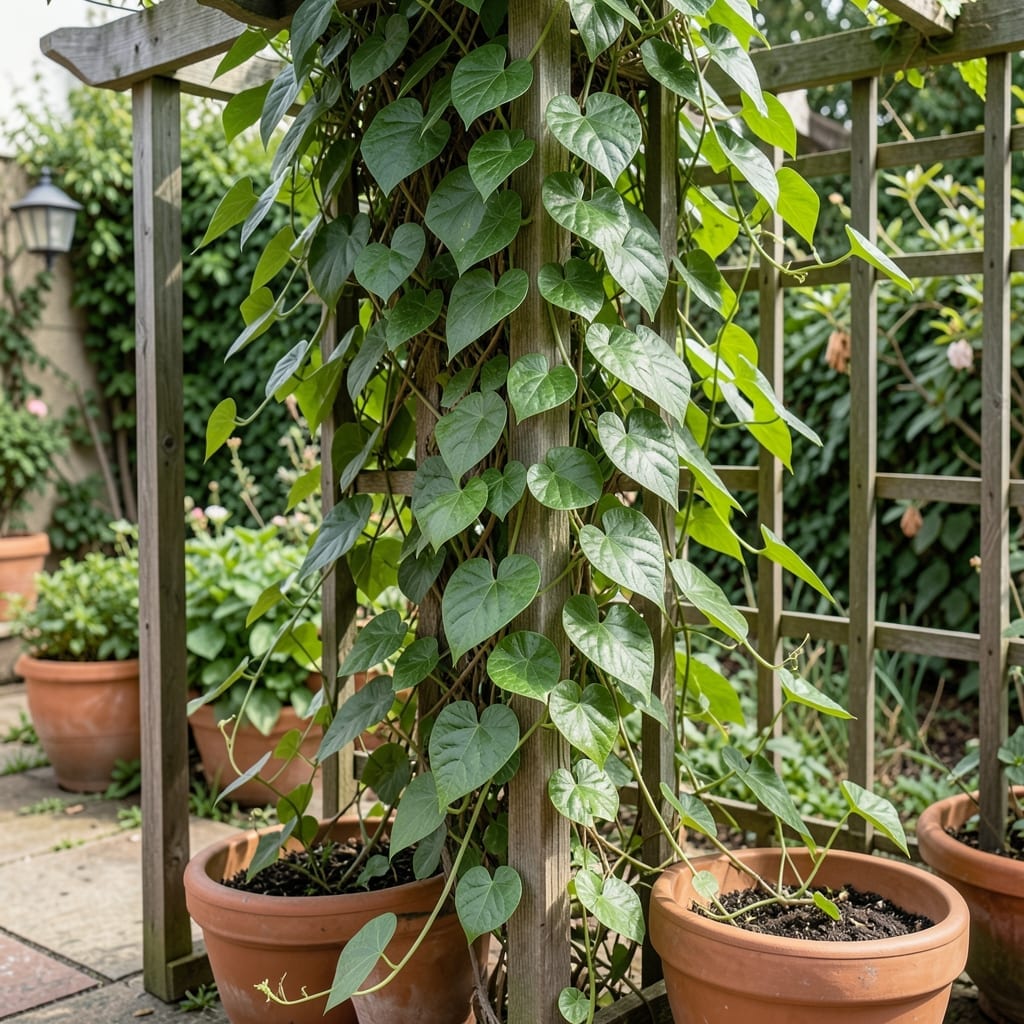
Imagine stepping onto your balcony or patio and being surrounded by lush greenery. With Climbing Vine 🌿, you can create that dreamy vertical garden even in the tightest spaces.
These versatile plants are perfect for adding height, privacy, and beauty to any small area. Whether you’re in an apartment or a cozy backyard, they bring life to walls, fences, and railings.
I’ll show you how to choose the right containers, soil, and supports to help your vines thrive. No green thumb required—just a little guidance and enthusiasm.
Discover the simple secrets to growing stunning potted vines that will transform your space into a serene, leafy retreat.
If you’re looking to add height and drama to your small space garden, potted climbing vines are the perfect solution. These versatile plants can transform bare walls, fences, or balconies into lush vertical gardens with minimal effort.
I’ve found that the key to success is choosing the right vine for your conditions. Some thrive in full sun, while others prefer partial shade. Let’s explore the best options for containers. 🌿
| Variety | Sun Needs | Growth Rate | Care Level |
|---|---|---|---|
| Jasmine | Full Sun | Fast | Moderate |
| Clematis | Partial Sun | Moderate | High |
| Ivy | Shade Tolerant | Fast | Low |
| Passionflower | Full Sun | Fast | Moderate |
For sunny balconies, I recommend Jasmine or Passionflower. Both love 6+ hours of sun and produce stunning fragrant blooms that attract pollinators. They’re also fast growers, so you’ll see results quickly.
Clematis is ideal for partially shaded spots. It needs consistent moisture and benefits from cool roots, so mulch the base. The large flowers come in many colors, adding a pop to any space.
If you want low-maintenance options, English Ivy or Star Jasmine are excellent. Ivy thrives in shade and clings to walls, while Star Jasmine handles drought well once established. Both are beginner-friendly.
For edible gardening, try Grape Vines or Runner Beans. They’re productive in large containers and provide both beauty and harvests. Just ensure your pot is at least 18 inches deep for root development.
Remember, container size matters. A 5-gallon pot is the minimum for most vines, but larger is better for long-term growth. Use well-draining soil and add compost for nutrients. I always mix in perlite to improve drainage.
Watering is crucial—potted vines dry out faster than in-ground plants. Check soil daily in summer and water when the top inch feels dry. In winter, reduce watering as growth slows.
Finally, don’t forget support structures. A trellis, obelisks, or even a string guide will help your vines climb. I’ll share more creative support ideas in the next section. 🌱
When growing potted climbing vines, the right support structure is key to success. I’ve found that trellises and obelisks work beautifully for small spaces, offering both stability and aesthetic appeal. These structures guide the vines upward, maximizing vertical space.
For a more natural look, consider bamboo poles or wooden stakes. They blend seamlessly into any garden setting while providing sturdy support. If you’re feeling creative, DIY frameworks made from repurposed materials can add a unique touch.
Metal supports, like wrought iron grids or wire mesh, are ideal for a modern aesthetic. They’re durable and can handle the weight of heavier vines like clematis or jasmine. Just ensure they’re securely anchored to the pot.
For those with limited space, wall-mounted trellises are a game-changer. They allow vines to climb vertically without taking up floor space, perfect for balconies or small patios. I’ve used these to create a lush green wall effect.
Don’t overlook hanging solutions. Macramé hangers or overhead pergolas can support trailing vines like English ivy or passionflower. This adds a dynamic, layered look to your space.
Finally, always match the support material to your vine’s growth habit. Lighter vines like sweet pea can thrive on slender stakes, while heavier varieties need sturdier structures to prevent toppling. 🌿