
Beautiful Plants For Your Interior
Beautiful Plants For Your Interior
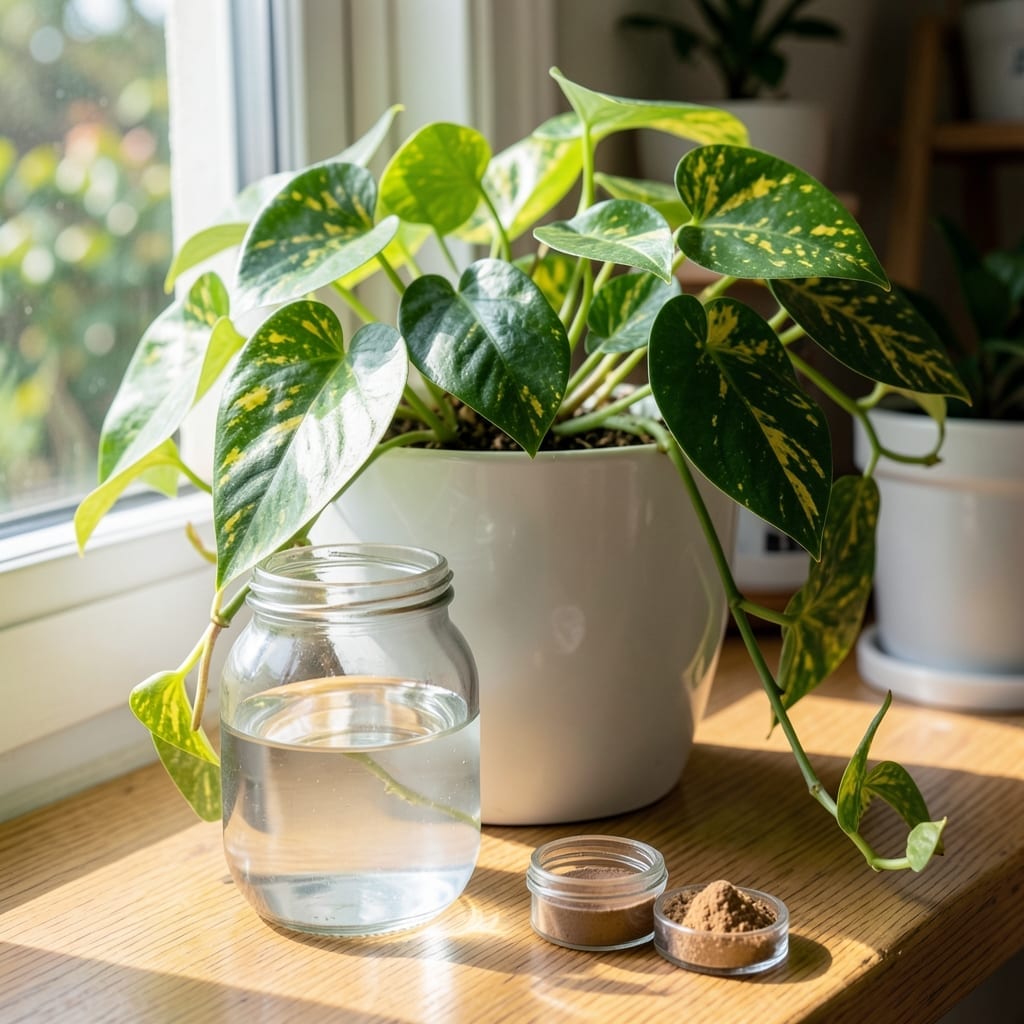
I’ve lost count of how many pothos cuttings I’ve watched rot instead of root. The good news? Most failures come down to 3 fixable mistakes—wrong water, wrong light, or wrong patience.
My first attempts sat in murky water for weeks, turning to mush. Then I learned the golden rule: fresh water every 5-7 days and bright, indirect light. No direct sun, no dark corners.
Even the right setup needs time. Some cuttings take 4-6 weeks to show roots, while others surprise you in half that. The key is watching, not waiting.
If your cutting still stalls, check the node—if it’s underwater or damaged, it won’t grow. Simple fixes, big difference.
When your pothos cuttings refuse to root, the issue often boils down to a few common but fixable factors. Understanding the science behind each cause helps you correct the problem and encourage healthy growth. Below are the most likely culprits.
Pothos (Epipremnum aureum) thrives in warm, stable conditions. Rooting slows or stops if temperatures drop below 60°F (15°C) or exceed 90°F (32°C). Cold water or soil shocks the cutting, while excessive heat accelerates moisture loss, stressing the plant. Aim for a consistent 70–80°F (21–27°C) environment to stimulate root growth.
Overwatering or underwatering disrupts root initiation. Soggy soil or waterlogged stems suffocate developing roots by depleting oxygen, while dry conditions prevent the cutting from absorbing enough moisture to sustain growth. Use well-draining soil or water propagation with frequent checks—roots need aeration as much as hydration.
Pothos requires bright, indirect light to photosynthesize and produce the energy needed for root development. Low light slows metabolic processes, stalling growth. Direct sunlight, however, can scorch the cutting. Place cuttings near an east- or north-facing window or under grow lights for 6–8 hours daily.
Using dull tools or taking cuttings with too few nodes (the growth points where roots emerge) reduces success rates. Each cutting should have at least 1–2 nodes and a clean, angled cut to maximize surface area for water uptake. Sterilize tools with rubbing alcohol to prevent bacterial or fungal infections.
While not always necessary, rooting hormone (containing auxins, like IBA) can speed up root formation by encouraging cell division at the cutting’s base. If your cuttings are struggling, dip the cut end in powdered or gel hormone before planting to give them a biological boost.
If your pothos cuttings aren’t rooting, don’t give up! Here’s how to diagnose and fix the most common issues, with prevention tips to keep future cuttings thriving.
Fix: If using water propagation, switch to room-temperature, filtered, or distilled water—tap water chlorine can inhibit growth. For soil, ensure it’s light and well-draining (mix perlite or orchid bark into potting soil).
Prevention: Always let tap water sit out for 24 hours before use to allow chlorine to evaporate. For soil, pre-moisten it to encourage faster rooting.
Fix: Move cuttings to a spot with bright, indirect light (no direct sun) and maintain temperatures between 65–75°F (18–24°C). A heat mat can help in colder homes.
Prevention: Avoid drafty windows or AC vents. Rotate the container weekly for even light exposure.
Fix: Pothos can take 2–4 weeks to root. If it’s been longer, check for brown or mushy stems (rot) and trim back to healthy tissue. Refresh the water or soil if needed.
Prevention: Take cuttings in spring or early summer when growth is most active. Use stem pieces with at least 2–3 nodes for best results.
Fix: For water propagation, change the water every 5–7 days to prevent bacteria. In soil, water only when the top inch feels dry—soggy soil suffocates roots.
Prevention: Use a clear container for water propagation to monitor root growth and water levels. For soil, poke holes in the bottom of the pot for drainage.
Pro Tip 💡: Dip the cut end in rooting hormone (powder or gel) before propagating to speed up the process!
Refresh water every 5-7 days to prevent bacterial growth. Use room-temperature, filtered water for best results. Stagnant water suffocates developing roots and slows progress.
Yes, direct sun can scorch leaves and stress the cutting. Place it in bright, indirect light near an east-facing window or under grow lights for 6-8 hours daily.
Let tap water sit out for 24 hours first to allow chlorine to evaporate. Chlorine and other chemicals can inhibit root growth. Distilled or filtered water works even better.
Check for mushy stems or brown discoloration. Healthy cuttings stay firm. If rot appears, trim back to healthy tissue and start fresh with clean water.