
Beautiful Plants For Your Interior
Beautiful Plants For Your Interior
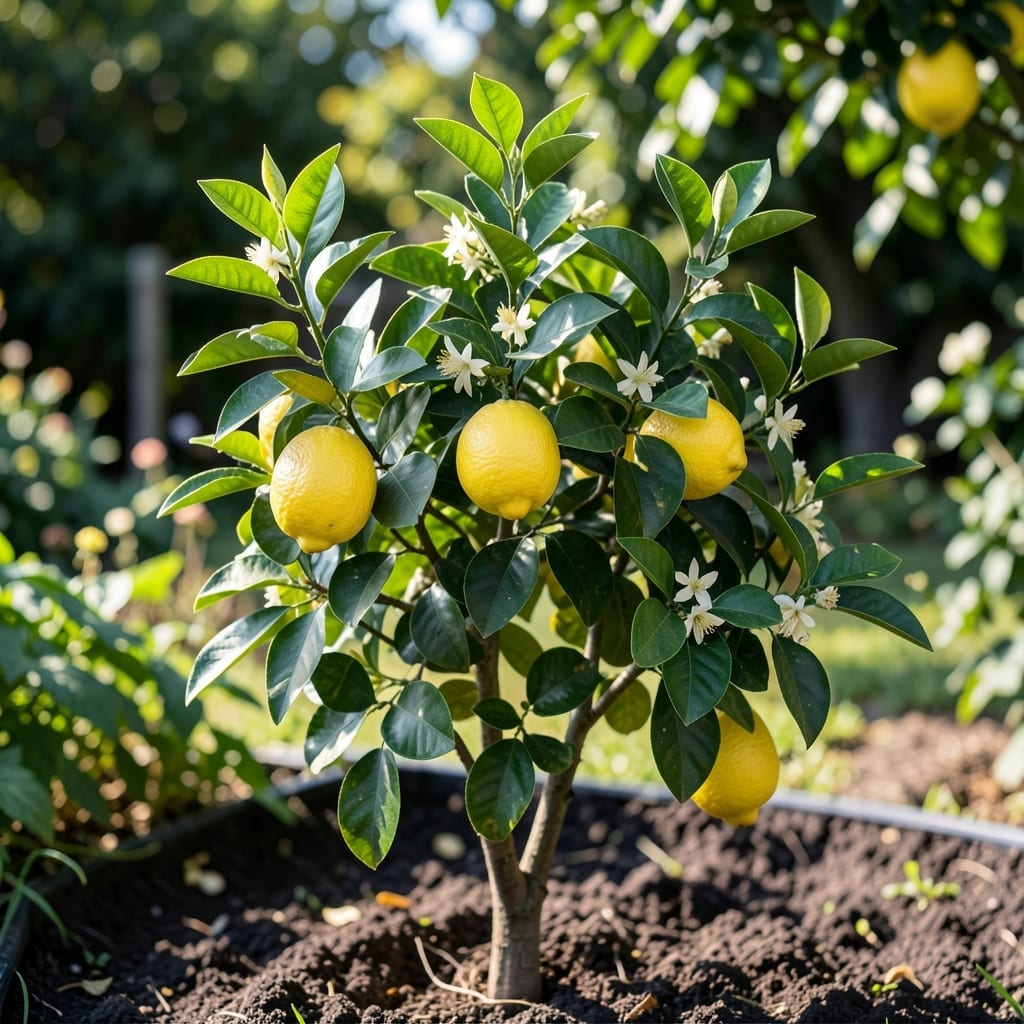
Imagine stepping into your backyard and picking a lemon the size of a small watermelon. That’s exactly what the Ponderosa Lemon 🍋 delivers, making it a showstopper in any garden.
This isn’t your average citrus tree. With fruits that can weigh up to five pounds, it transforms ordinary landscapes into conversation pieces while filling the air with intoxicating fragrance.
Growing these giants is simpler than you might think. Whether you’re a seasoned gardener or just starting out, I’ll walk you through everything you need to know to cultivate these impressive specimens.
Discover how to create the perfect conditions for your tree to thrive and produce those legendary, oversized lemons that will have your neighbors asking for your secret.
The Ponderosa Lemon Plant thrives in USDA zones 9-11, where warm climates mimic its native Mediterranean roots. I always recommend planting it in spring after the last frost, giving it a full growing season to establish itself.
For best results, choose a sunny spot with at least 6+ hours of direct sunlight daily. This variety isn’t shy about its needs—it demands well-draining soil to prevent root rot, a common issue with citrus.
Once planted, water deeply every 7-10 days for the first month, then taper to weekly watering once established. Remember, consistent moisture is key, but soggy soil is a no-go.
Fertilize with a balanced 6-6-6 fertilizer every 4-6 weeks during the growing season. I’ve found that early morning feeding works best, as it gives the plant time to absorb nutrients before the heat of the day.
Prune your Ponderosa Lemon in late winter to remove dead or crossing branches. This keeps the tree open and airy, which helps prevent fungal diseases and improves fruit production.
Keep an eye out for pests like aphids or scale insects, which love citrus. A neem oil spray every few weeks can work wonders as a natural deterrent without harming beneficial insects.
If you’re growing in a container, choose one at least 24 inches deep with drainage holes. Dwarf varieties do well in pots, but standard trees need room to stretch their roots to reach their 12-20 ft potential.
In colder climates, consider overwintering your Ponderosa indoors. Move it to a south-facing window where it can get maximum light. Reduce watering during dormancy, but don’t let the soil dry out completely.
With the right care, your tree will reward you with giant, fragrant lemons year-round, with a peak harvest in winter. The fruits are thick-skinned and less juicy than standard lemons, but their size and aroma make them perfect for ornamental displays. ☀️
Caring for a Ponderosa Lemon Tree means adapting to its needs throughout the year. I’ve found that consistent watering and seasonal fertilization are key to keeping this tree healthy and productive.
This variety thrives in USDA zones 9-11 and requires well-draining soil to prevent root rot. In my experience, morning watering helps avoid fungal issues, especially in humid climates. ☀️
⚠️ Watch Out for These Issues
Overwatering can lead to yellowing leaves, while underwatering may cause fruit drop. Keep an eye out for pests like aphids or scale insects, which love citrus trees.
During spring and summer, I recommend feeding every 4-6 weeks with a balanced 6-6-6 fertilizer to support growth and fruit development. This keeps the tree energized for its year-round harvest potential.
In fall, switch to a light feed to prepare the tree for winter. If you’re in a colder zone, consider potting your Ponderosa to bring it indoors during frost. This tree is not frost-tolerant!
Pruning is another essential task. I prune my tree in early spring to remove dead branches and shape it for better airflow. This helps prevent disease and encourages larger fruit production. ✂️
Finally, don’t forget to mulch around the base to retain moisture and suppress weeds. A 2-3 inch layer of organic mulch works wonders, but keep it a few inches away from the trunk to avoid rot. 🌱