
Beautiful Plants For Your Interior
Beautiful Plants For Your Interior
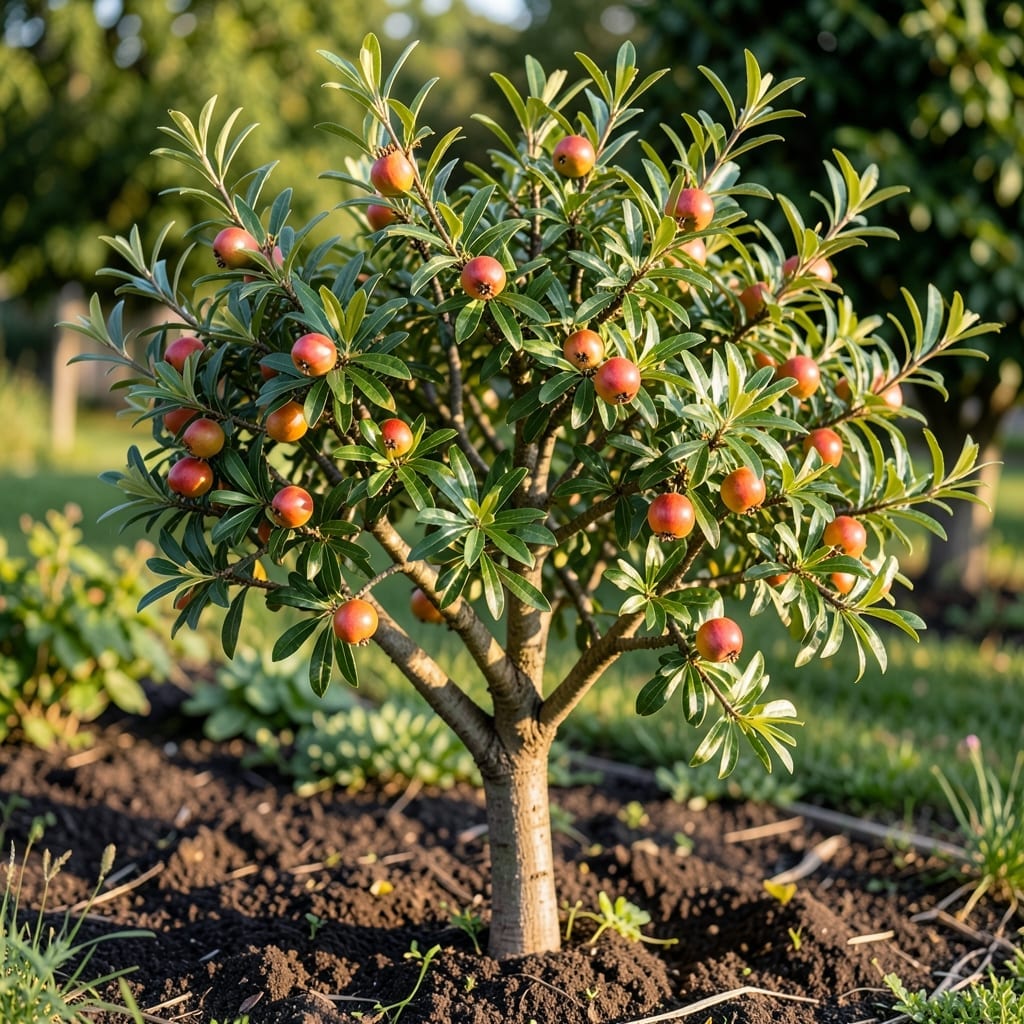
Watching a 🍇 Pomegranate tree grow from a tiny seed to a fruit-bearing powerhouse is a rewarding journey. It’s amazing how a small sprout can transform into a 12-20 ft tall shrub over time.
But here’s the thing: patience is key. The growth rate of Pomegranate isn’t always fast, and understanding its timeline helps set realistic expectations.
In the first few years, you’ll see steady progress, but the real magic happens around years 3-5 when growth accelerates. By year 7, your tree could be fully mature and ready to produce those juicy, ruby-red fruits.
Let me walk you through what to expect at each stage. You’ll discover how to nurture your Pomegranate for the best results, from seedling to full maturity.


Understanding the pomegranate growth rate is essential for gardeners. I’ve seen many new growers expect instant results, but these trees have a slow start that rewards patience. The first year often brings minimal height gain as the plant focuses on root establishment.
By the second year, you’ll notice a growth spurt, with the tree adding 2-4 feet in height. This is when the framework for future fruit production begins to form. Proper care during this phase sets the stage for long-term success.
| Stage | Height | Key Development |
|---|---|---|
| Year 1 | 2-3 ft | Root establishment |
| Year 2 | 4-6 ft | Branch formation begins |
| Year 3 | 8-10 ft | First flowers appear |
| Year 5 | 12-15 ft | First fruit harvest |
| Mature | 12-20 ft | Full production |
In the third year, your pomegranate tree will likely reach 8-10 feet tall. This is when you’ll see the first flower buds, an exciting milestone. However, don’t expect fruit yet—most trees need another year or two.
The fourth year brings more vigorous growth, with the tree potentially adding 3-4 feet in height. The branching becomes denser, creating that classic pomegranate shape. I recommend light pruning now to encourage a strong structure.
By year five, your pomegranate should be 12-15 feet tall and ready for its first fruit harvest. This is when the real payoff begins, though the yield will still be modest compared to a fully mature tree.
Full maturity typically occurs between years 5-7. At this point, your tree can reach its maximum height of 12-20 feet and will produce abundant fruit annually. The growth rate slows as the tree focuses on fruit production.
Remember that dwarf varieties follow a similar timeline but max out at 6-8 feet. These are perfect for smaller gardens or container growing. Their growth rate is slightly faster in the early years due to their compact nature.
The semi-dwarf varieties offer a middle ground, reaching 8-12 feet at maturity. They’re an excellent choice if you want substantial fruit production without the full-size tree commitment.
Throughout all these stages, consistent watering and fertilizing are key. I’ve found that trees with regular care reach their growth milestones faster and produce more fruit. The first few years require the most attention as the root system develops.
Patience truly is the secret ingredient with pomegranates. While the initial growth may seem slow, each year builds on the last. By understanding this timeline, you’ll appreciate each new leaf and branch as signs of progress toward that first delicious harvest 🌳
Several key factors can significantly impact your pomegranate’s growth rate. I’ve learned through experience that climate is the most critical element—these trees thrive in USDA zones 7-11 with hot summers.
Soil quality comes next. Pomegranates need well-draining soil with a pH between 5.5-7.0. Heavy clay or waterlogged soil will stunt growth dramatically.
Watering practices can make or break your tree’s growth. I recommend deep watering once weekly rather than daily light sprinkles. This encourages deep root development which supports faster above-ground growth.
Pruning might seem counterintuitive, but proper annual pruning actually accelerates healthy growth. It removes weak wood and directs energy to productive branches. Always prune in late winter before new growth starts.
Variety selection affects growth rate too. Dwarf varieties like ‘Nana’ grow faster initially but max out at 6-8 feet. Standard varieties take longer to establish but ultimately reach 12-20 feet. Choose based on your space and patience level.
Finally, pests and diseases can slow growth significantly. Watch for aphids and leaf spot—early intervention keeps your tree on track for optimal growth 🌿