
Beautiful Plants For Your Interior
Beautiful Plants For Your Interior
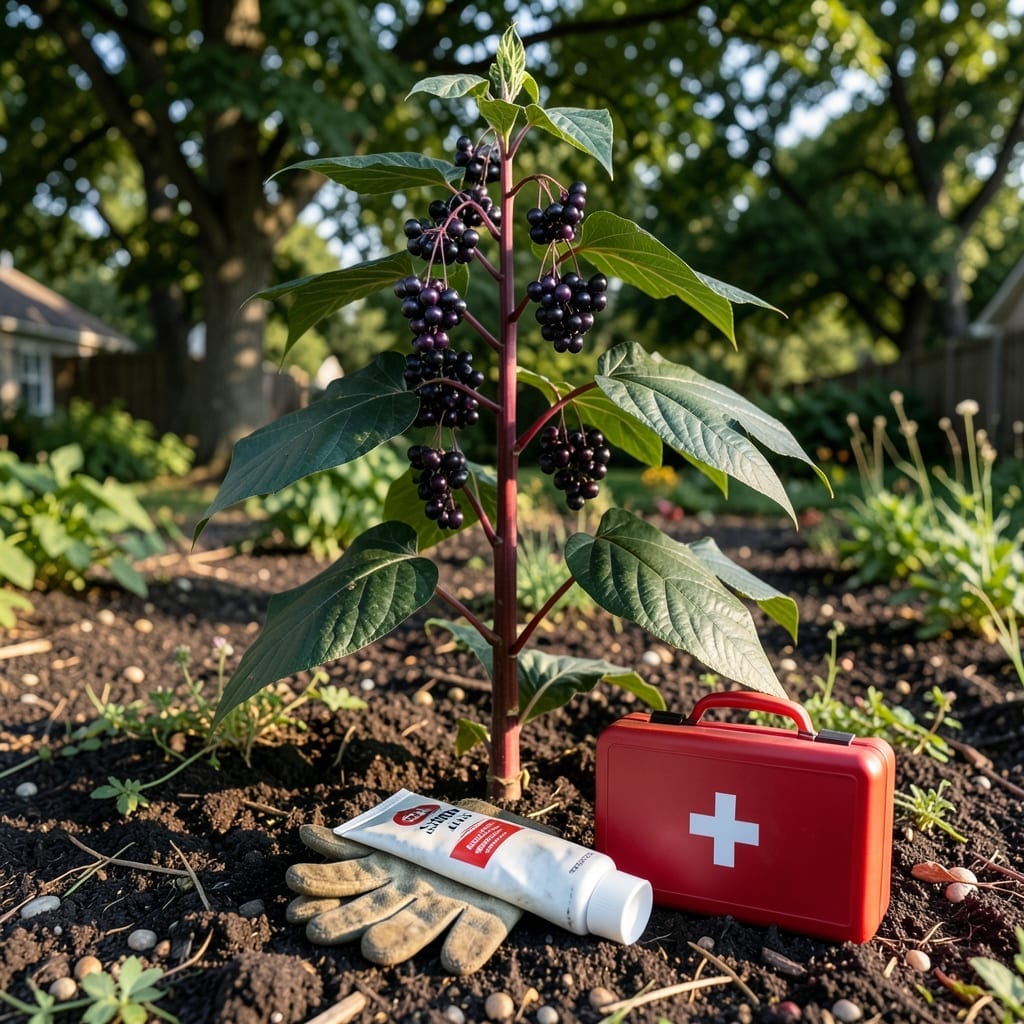
That purple-stalked plant in your garden might be causing more trouble than you think. I learned the hard way that pokeweed’s alluring berries come with a hidden cost—an itchy, red rash that can ruin your week.
Here’s the thing—most people don’t realize the rash comes from the plant’s sap, not the berries. A simple brush against the leaves or stems while gardening can trigger it. The good news? Relief is fast once you know what to do.
Natural remedies like cool compresses and oatmeal pastes work wonders for soothing the irritation. But if the rash spreads or blisters, it’s time to call a doctor. Safety first, always.
Prevention is easier than treatment. Wear gloves, long sleeves, and wash up immediately after handling. Your skin will thank you.
The itchy, red rash caused by pokeweed is your skin’s immune response to its toxic compounds. Here’s why contact with this plant triggers such a reaction:
Pokeweed (Phytolacca americana) contains saponins and glycoproteins in its leaves, stems, and berries. When these substances touch your skin, they disrupt cell membranes, causing irritation. Your immune system recognizes them as threats, releasing histamine to fight them off—which leads to inflammation, redness, and itching.
Brushing against pokeweed or handling it without gloves exposes your skin to its sap. Even dried plant material can retain these irritants. The rash typically appears within 12–48 hours as your body reacts to the absorbed toxins. Blistering may occur in severe cases.
Some people have a heightened allergic response to pokeweed due to pre-existing sensitivities. If you’re allergic to related plants (like nightshade), your reaction may be more intense. Repeated exposure can also worsen sensitivity over time.
Pokeweed’s compounds can make your skin more susceptible to sunlight. This phytophotodermatitis causes a rash that darkens or blisters when exposed to UV rays, often resembling a burn. Washing the area immediately after contact can help prevent this.
When pokeweed causes a rash, act fast to ease the itch and speed healing. Here’s how to tackle it based on the root cause:
If the rash appears after touching the plant, rinse the area with cool water and mild soap to remove the irritating oils. Avoid hot water, as it can open pores and worsen irritation. Prevention tip: 💡 Wear long sleeves and gloves when handling pokeweed or gardening in areas where it grows.
For redness or itching, apply hydrocortisone cream (1%) or calamine lotion to reduce inflammation. A cool compress can also provide instant relief. Prevention tip: ✨ Keep these remedies in your first-aid kit for quick access.
If the rash spreads, blisters, or causes swelling, see a doctor. They may prescribe oral antihistamines or stronger steroids. Prevention tip: 🎯 Learn to identify pokeweed (purple berries, smooth leaves) and avoid it entirely.
For itching due to an allergic response, take over-the-counter antihistamines like Benadryl. Avoid scratching, as it can lead to infection. Prevention tip: 🌡️ Test a small skin patch with pokeweed sap (if you must handle it) to check for sensitivity.
Always monitor the rash for signs of infection (pus, warmth, or fever) and consult a healthcare provider if symptoms persist.
Symptoms usually develop within 12–48 hours after contact. The rash starts as redness and itching, then may progress to blisters in severe cases.
Yes! A cool compress, oatmeal paste, or baking soda soak can soothe mild irritation. Avoid vinegar or alcohol, as they may worsen dryness.
Seek medical help if the rash spreads, blisters, or shows signs of infection like pus or fever. A doctor may prescribe stronger treatments.
Typically, it heals without scarring if left alone. However, scratching or infection can cause dark spots or permanent marks.