
Beautiful Plants For Your Interior
Beautiful Plants For Your Interior
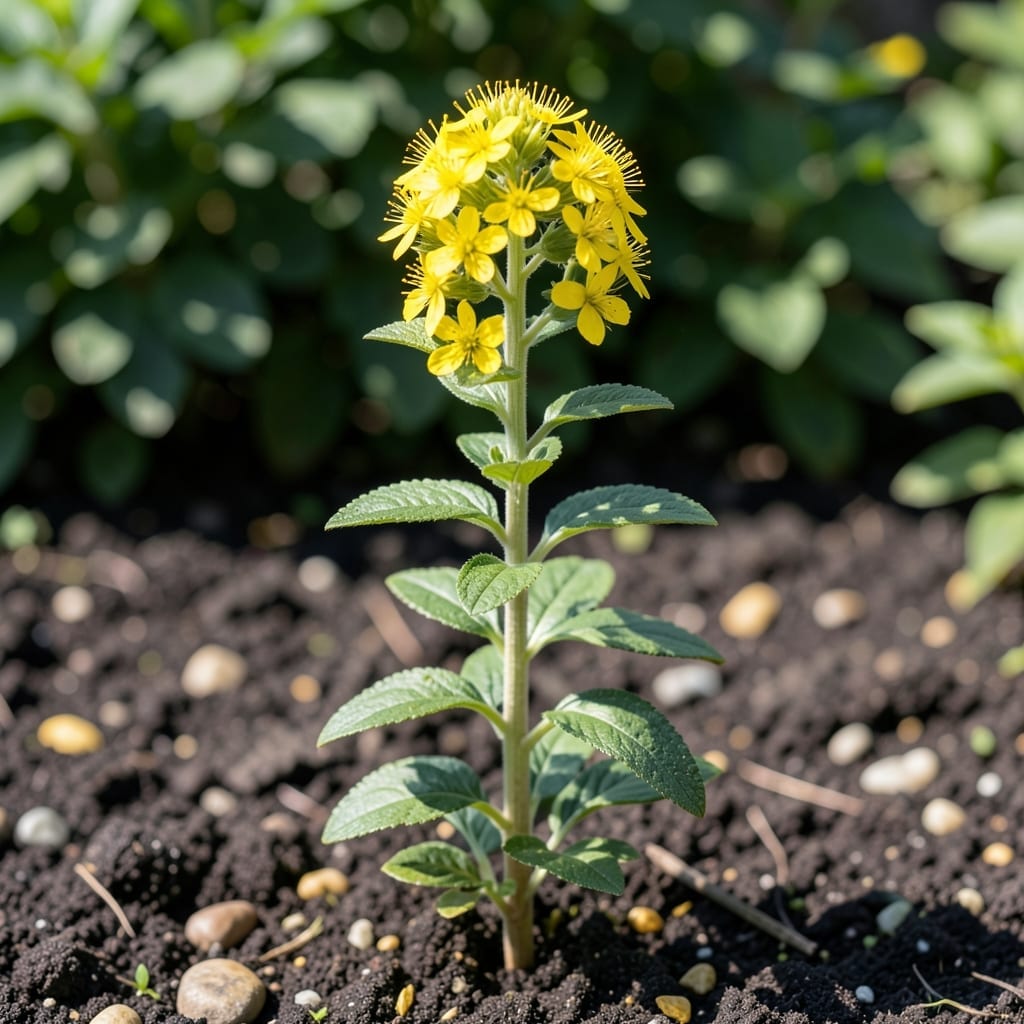
This one caught me off guard last summer. A cheerful yellow bloom popped up in my flower bed, looking harmless—until I noticed the telltale leaves and realized it was a toxic imposter that could harm my pets and kids.
Many gardeners mistake these for harmless wildflowers, but some yellow-blooming weeds contain compounds that cause skin irritation or worse if ingested. The key is learning to spot the subtle differences in leaf shape, stem texture, and growth pattern before they spread.
I now do a weekly sweep of my garden, removing anything suspicious with gloved hands and a sealed trash bag. It takes 5 minutes and gives me peace of mind knowing my space stays safe for everyone.
This habit works for any garden size, from window boxes to sprawling yards. Stay vigilant—your family and furry friends will thank you.
Understanding why these toxic yellow-flowered weeds appear in your garden can help you prevent their spread. Below are the most common causes, broken down scientifically.
Many poisonous weeds, like Senecio or Ragwort, thrive in disturbed soils. Construction, tilling, or even foot traffic can expose buried seeds, giving them the light and space they need to germinate. These weeds often outcompete slower-growing plants in disrupted ecosystems.
Excess moisture creates ideal conditions for weeds like Celadine Poppy or Buttercups. Soggy soil reduces competition from drought-sensitive plants, allowing these hardy, water-tolerant species to dominate. Poor drainage also leaches nutrients, weakening desirable plants and leaving room for invasives.
Some poisonous yellow-flowered weeds, such as St. John’s Wort, are sun-loving opportunists. Open, sunny areas with minimal shade—like neglected garden patches or roadsides—are prime real estate for these plants. Their rapid growth and seed production ensure they capitalize on bare, sunlit soil.
Monoculture lawns or gardens with limited plant diversity create vacuums that weeds rush to fill. Without competition from a variety of native or cultivated species, toxic weeds like Groundsel can establish themselves quickly. Diverse plantings naturally suppress weed growth by occupying ecological niches.
Dealing with toxic yellow-flowering weeds in your garden requires caution and the right approach. Below are practical solutions tailored to common scenarios, along with prevention tips to keep your garden safe.
For small infestations, hand-pulling is effective. Wear gloves and long sleeves to avoid skin contact with sap or pollen. Use a trowel to dig deep and remove the entire root system to prevent regrowth. Dispose of the plants in sealed bags to avoid spreading seeds.
For larger patches, use a selective herbicide labeled for broadleaf weeds. Apply on a calm day to prevent drift onto desirable plants. Spot-treat affected areas rather than blanket-spraying. Always follow the product instructions for safety and effectiveness.
If you prefer chemical-free methods, vinegar-based sprays (1 gallon of vinegar + 1 cup of salt + 1 tbsp dish soap) can kill young weeds. Apply directly to the leaves on a sunny day. Boiling water also works for weeds growing in cracks or driveways. Note: These methods may harm surrounding plants, so use carefully.
By combining removal strategies with preventive measures, you can keep your garden free of these toxic invaders and enjoy a safer, healthier outdoor space.
Contact your vet or pet poison hotline immediately. Bring a sample of the plant if possible. Symptoms like vomiting or lethargy require urgent care, even if they seem mild at first.
Look for jagged leaves, hairy stems, or milky sap. Many have clusters of small yellow flowers and grow in disturbed soil. Use a plant ID app to confirm before handling.
No. Toxins can persist in compost and contaminate future plants. Seal them in a plastic bag and dispose of them with household trash to prevent regrowth or spread.
Seeds can lie dormant for years. Regularly check your garden, remove new growth early, and use mulch to block sunlight. Consistent effort is key to long-term control.