
Beautiful Plants For Your Interior
Beautiful Plants For Your Interior
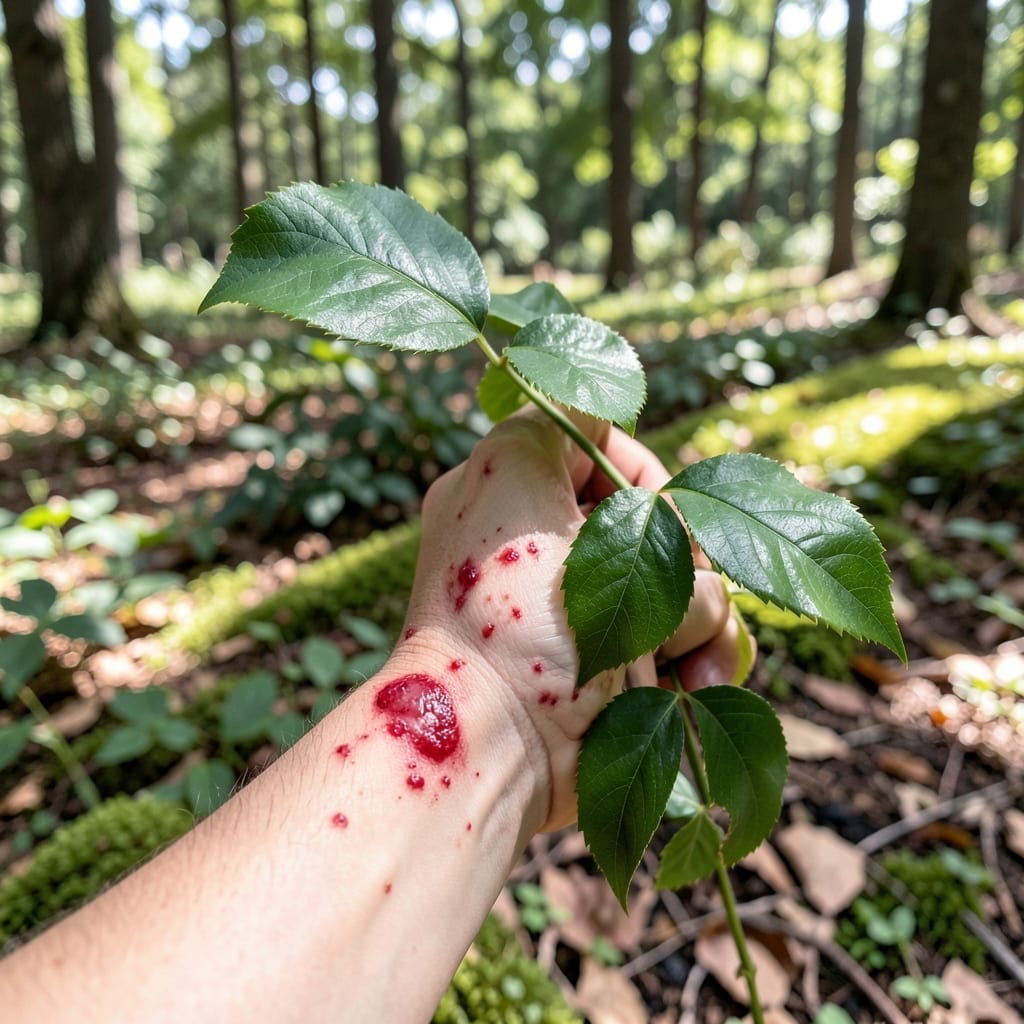
That itchy red line on your wrist is your garden’s warning sign. 🌿 I’ve scratched my way through enough poison ivy encounters to know the exact moment you realize you’ve touched the wrong plant.
It starts with three shiny leaflets—remember “leaves of three, let it be”—and ends with a rash that feels like fire ants under your skin. The oil lingers on tools, gloves, even pet fur, waiting to spread.
Wash the area immediately with soap and cold water. A cool compress and calamine lotion bring instant relief, but the real fix is learning to spot and avoid the culprit before it strikes.
Prevention means long sleeves, barrier creams, and knowing exactly what poison ivy looks like in your yard. Here’s how to garden without the itch.
Poison ivy rashes on the wrist often occur due to direct or indirect exposure to the plant’s oily resin, urushiol. This potent allergen triggers an immune response, leading to itching, redness, and blisters. Here’s why it happens:
The most common cause is brushing against poison ivy leaves, stems, or roots. Urushiol binds to skin within minutes, and even slight contact—like touching a broken leaf—can cause a rash. The wrist is especially vulnerable because it’s often exposed (e.g., while gardening or hiking) and may come into contact with the plant unnoticed.
Urushiol can linger on tools, gloves, pet fur, or clothing. If you touch these items and then your wrist, the oil transfers to your skin. For example, wiping your wrist with a towel that touched poison ivy can trigger a reaction hours later.
Burning poison ivy releases urushiol particles into the air. Inhaling these or having them settle on your skin (including your wrist) can cause a severe rash. This is less common but particularly dangerous, as it can also affect the lungs.
Sweat can spread urushiol across your skin if it’s already present. For instance, if you touch poison ivy and then wipe sweat from your brow to your wrist, the oil spreads. The thin skin on the wrist absorbs urushiol quickly, accelerating the reaction.
Actionable Tip: Wash the affected area with soap and cool water within 10–15 minutes of exposure to remove urushiol and reduce rash severity.
Dealing with a poison ivy rash on your wrist can be frustrating, but these targeted solutions will help you find relief and prevent future flare-ups.
If you suspect contact with poison ivy, rinse your wrist with cool water and mild soap as soon as possible. The plant’s oil, urushiol, can linger on the skin and spread the rash. Use lukewarm water to avoid opening pores and allowing the oil to penetrate deeper.
Apply calamine lotion or hydrocortisone cream to reduce itching and swelling. For a natural approach, aloe Vera gel or a cool compress can provide immediate relief. Oatmeal baths or pastes can also calm irritated skin.
Scratching can lead to infection and worsen the rash. Trim your nails short and consider wearing a light bandage to protect the area. If the itching is unbearable, oral antihistamines like Benadryl can help.
Most rashes clear within 1-3 weeks with proper care. Mild cases may resolve in 7-10 days, while severe blistering can take longer. Keep the area clean and avoid scratching to speed recovery.
Only if urushiol oil remains on your skin or under your nails. Once washed off, the rash itself isn’t contagious. Change clothes and wash hands immediately after exposure to prevent spreading.
Seek medical help if the rash covers a large area, shows signs of infection, or affects your face/genitals. Also consult if fever or severe swelling occurs. Early treatment can prevent complications.