
Beautiful Plants For Your Interior
Beautiful Plants For Your Interior
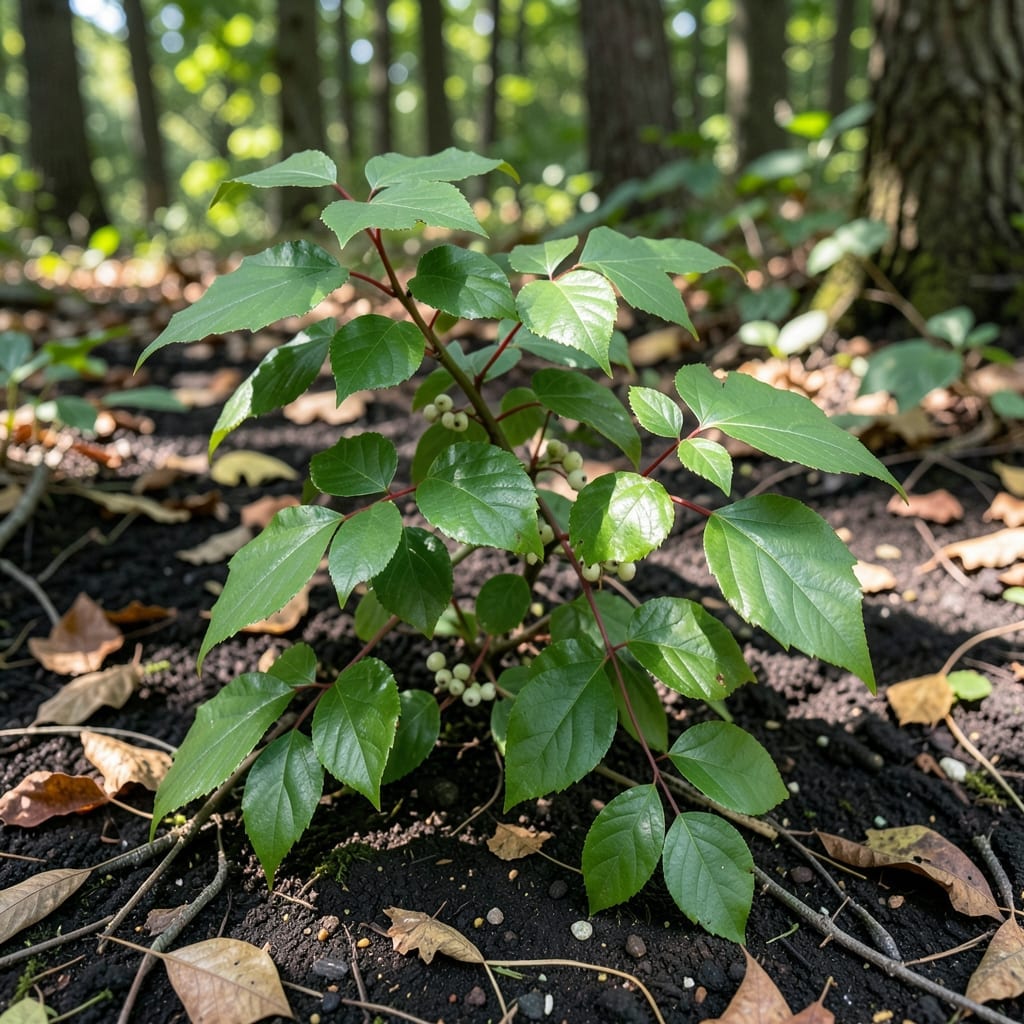
That itchy red rash creeping up your ankle means poison ivy found you first. I’ve been there—scratching furiously after brushing against the wrong plant during a garden cleanup.
The culprit is urushiol oil, which bonds to skin in 10-15 minutes and triggers a blistering reaction. Most people don’t realize how easily it spreads from tools, pets, or even garden gloves left touching the plant.
Here’s the thing—washing the area immediately with cool water and soap can still stop the worst of it. The sooner you act, the less severe the rash will be, and the faster your skin can start healing.
Prevention starts with learning to spot the three shiny leaflets and giving them a wide berth. Your ankles—and your sanity—will thank you.
Poison ivy rashes on your ankle typically occur due to direct or indirect contact with the plant’s oily resin, urushiol. This potent allergen triggers an immune response in most people, leading to redness, itching, and blisters. Below are the most common ways this happens:
The most straightforward cause is brushing against poison ivy, sumac, or oak while walking, hiking, or gardening. The plant releases urushiol when its leaves, stems, or roots are damaged. Even brief contact can leave the oil on your skin, and within 12 to 48 hours, a rash may appear on your ankle if the oil transfers there via hands, clothing, or pets.
Urushiol can linger on surfaces for years. Touching contaminated items—like shoes, tools, or pet fur—then touching your ankle can spread the oil. For example, if you remove your socks or pants after walking through infested areas, residual urushiol may rub onto your skin, causing a delayed reaction.
Less common but possible, burning poison ivy releases urushiol particles into the air. Inhaling the smoke can cause a rash on exposed skin, including your ankles, or even trigger lung irritation. This is especially risky in dry, windy conditions where the smoke spreads easily.
Sharing towels, blankets, or sports equipment with someone who has urushiol on their skin or clothing can transfer the oil to you. Even scratching the rash (which doesn’t spread poison ivy itself) and then touching your ankle might reintroduce urushiol from under your nails.
Actionable tip: Wash skin, clothes, and objects with soap and cool water immediately after potential exposure to remove urushiol before it binds to your skin.
If you’ve spotted poison ivy on your ankle, act fast to ease the itch and stop the spread. Here’s how to tackle the most common causes and symptoms with simple, effective fixes.
If you suspect recent contact, wash the area immediately with cool water and soap (like dish soap or specialized poison ivy cleansers). This removes the plant’s oily resin, urushiol, before it binds to your skin. Avoid hot water—it can open pores and worsen absorption.
Fix: Rinse for at least 10 minutes, then pat dry with a clean towel. Toss contaminated clothes in the wash (separately!) to prevent re-exposure.
Once the rash appears, calamine lotion or hydrocortisone cream (1%) can reduce inflammation and itching. For severe cases, oral antihistamines like Benadryl help, but they may cause drowsiness.
Fix: Apply creams 2–3 times daily. For blisters, avoid popping them—instead, use a cool compress to ease discomfort.
Urushiol can linger on surfaces (pets, tools, shoes). Scrub under nails with a brush, and clean anything that touched the plant.
Fix: Wear gloves when handling potentially contaminated items, and shower pets if they’ve been in wooded areas.
If the rash covers a large area, oozes excessively, or shows signs of infection (warmth, pus), see a doctor for prescription-strength treatments.
A mild case typically clears up in 1-2 weeks. Severe rashes may take 3 weeks or longer.
Yes, a paste of baking soda and water can temporarily soothe itching. Apply for 10-15 minutes then rinse off.
Seek medical attention if the rash covers a large area, oozes pus, or causes severe swelling. These may indicate infection.
No, the rash itself isn’t contagious. But scratching can reintroduce urushiol from under nails or cause infection.