
Beautiful Plants For Your Interior
Beautiful Plants For Your Interior
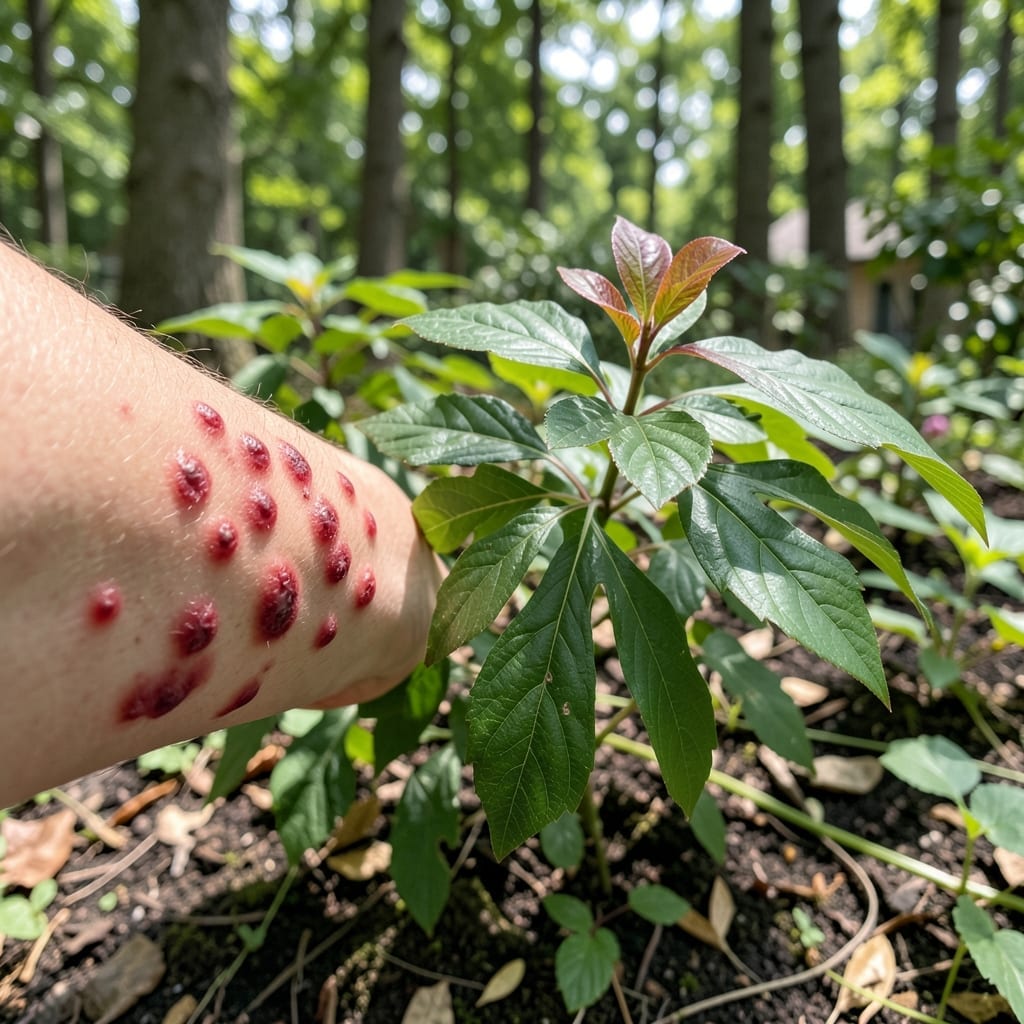
Three leaves shouldn’t cost you a week of misery. I’ve learned the hard way that poison ivy in the garden demands respect—and a solid action plan before you even touch your tools.
Spotting it early saves skin. Look for the classic leaflets-of-three pattern, but don’t rely on that alone. The vines can be hairy, shiny, or smooth, and they love to hide among your prize roses or fence lines.
Even with gloves, urushiol oil can linger on tools or clothing. My first aid kit now includes soap, cool water, and a foolproof wash routine within 10 minutes of contact to stop the itch before it starts.
For hives, organic relief is closer than you think. Simple household items can calm the sting while your body fights the reaction. Prevention though? That’s where real gardeners separate themselves from the itchy masses.
Understanding why poison ivy causes hives starts with its primary irritant: urushiol, a colorless, oily resin found in the plant’s leaves, stems, and roots. When urushiol touches your skin, it binds to proteins, triggering an immune response. Here’s how and why it happens:
About 85% of people are allergic to urushiol. Once it penetrates the skin, the body’s immune system mistakes it for a harmful invader. This prompts the release of histamine and other inflammatory chemicals, leading to redness, itching, and hives. Even indirect contact—like touching contaminated clothing or pet fur—can cause a reaction.
Repeated exposure to urushiol can sensitize your immune system over time. The first encounter may cause no reaction, but subsequent contacts often lead to increasingly severe responses, including widespread hives. Thinner or damaged skin (e.g., from scratches or eczema) absorbs urushiol more easily, accelerating the reaction.
Hives from poison ivy often appear 12 to 48 hours after exposure. This delay occurs because it takes time for the immune system to recognize urushiol, process it, and mount a defense. The resulting type IV hypersensitivity reaction causes inflammation, blisters, and itchy welts as T-cells attack the affected skin.
Pro tip: Washing the skin thoroughly with soap and water within 10–15 minutes of exposure can remove urushiol and reduce the risk of hives.
Dealing with poison ivy and the resulting hives can be miserable, but these targeted solutions will help you find relief fast. Address the root cause first, then soothe the symptoms for quicker healing.
Prevention: Learn to identify poison ivy (“leaves of three, let it be”) and wear long sleeves, gloves, and closed shoes when gardening or hiking.
Prevention: If you’re prone to hives, carry antihistamines when outdoors and rinse skin immediately after potential exposure.
Seek medical help if the rash covers a large area, oozes pus, or is accompanied by fever, swelling in the face, or difficulty breathing. These could signal a severe allergic reaction or infection.
Wash within 10-15 minutes of contact to remove urushiol oil effectively. Use cool water and soap, scrubbing gently for at least 2 minutes to prevent the rash from developing.
No, the rash itself isn’t contagious. However, urushiol oil can transfer from contaminated surfaces. Wash clothes, tools, and pets that may have touched the plant.
Apply calamine lotion or hydrocortisone cream for immediate relief. For severe itching, take an oral antihistamine like Benadryl.
Seek medical help if hives cover a large area, ooze pus, or if you experience fever or difficulty breathing. These may indicate a serious reaction or infection.