
Beautiful Plants For Your Interior
Beautiful Plants For Your Interior
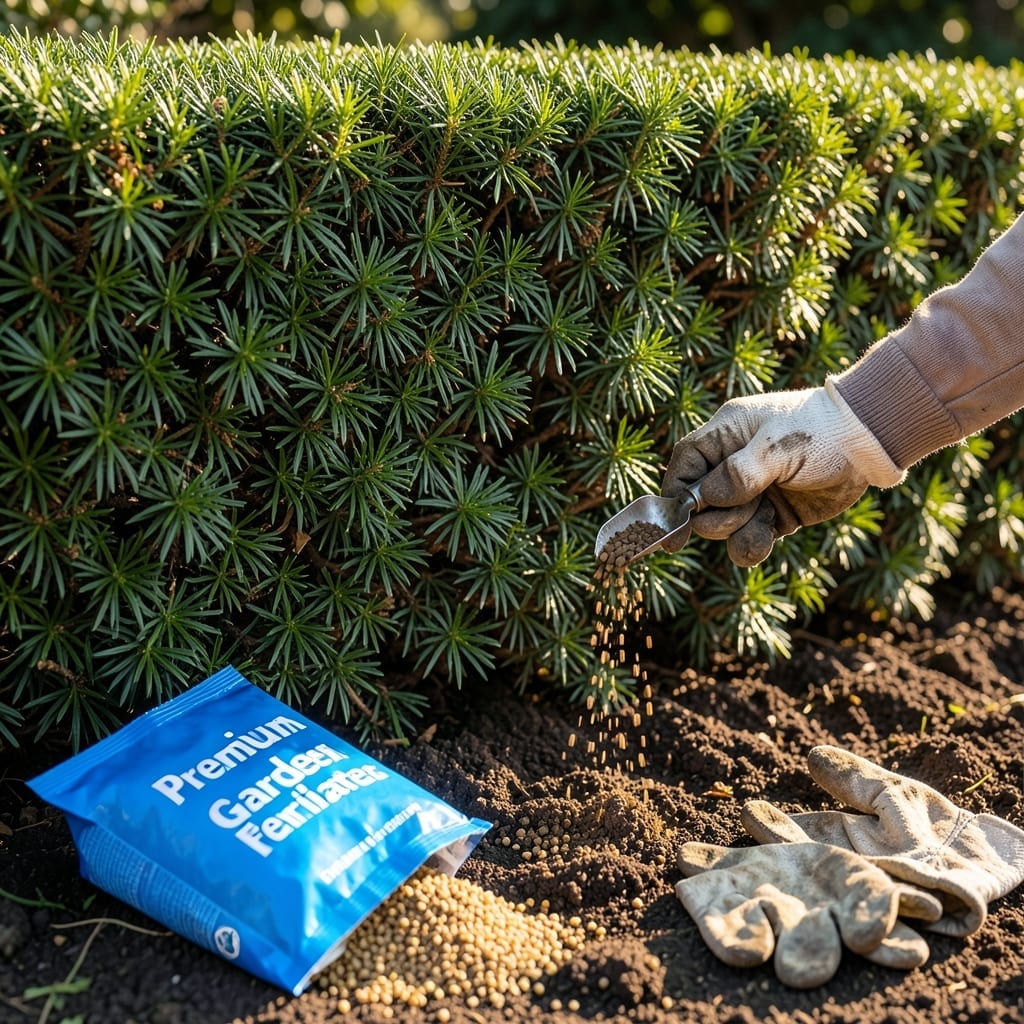
Imagine looking out at a lush, dense privacy screen that’s the envy of the neighborhood. That dream starts with how you feed your 🌳 Podocarpus hedge.
Too many gardeners waste time and money on fertilizers that either burn their plants or fade too fast. The right slow-release formula changes everything, delivering steady nutrients without the risk.
I’ve tested countless approaches, and the difference in growth and vibrancy is undeniable. With the proper technique, you can transform sparse, dull foliage into a thriving evergreen barrier.
Discover how to pick the best fertilizer, apply it like a pro, and avoid the most common mistakes that hold back your hedge’s potential.
Choosing the right slow-release fertilizer for your 🌳 Podocarpus hedge can feel overwhelming with so many options. I’ve found that the best formulas provide steady nutrition without the risk of burning your plants.
A balanced NPK ratio like 10-10-10 works wonders, but you’ll also want micronutrients like iron and magnesium for vibrant, healthy foliage. Organic options, such as compost-based fertilizers, are great for long-term soil health.
| Fertilizer Type | NPK Ratio | Best For | Application Rate |
|---|---|---|---|
| Organic Compost | 5-3-3 | Soil Health | 2-3 lbs/100 sqft |
| Synthetic Slow-Release | 10-10-10 | Quick Greening | 1 lb/100 sqft |
| Liquid Fertilizer | 12-6-6 | Fast Absorption | 1 tbsp/gallon |
| Granular Slow-Release | 16-4-8 | Long-Term Feeding | 1.5 lbs/100 sqft |
For Podocarpus hedges, I recommend granular slow-release fertilizers. They’re easy to apply and provide consistent feeding for 6-8 weeks, which matches the hedge’s growth cycle perfectly.
Spring and fall are the best times to fertilize. In spring, it kickstarts new growth, while a fall application helps the hedge store nutrients for winter resilience.
If you’re using organic fertilizers, remember they release nutrients more slowly. This means you’ll need to apply them more frequently, about every 4-6 weeks, to keep your hedge thriving.
Avoid high-nitrogen fertilizers in late summer, as they can promote soft growth that’s vulnerable to cold damage. Instead, opt for a balanced formula to maintain steady, healthy growth.
Iron deficiency is common in Podocarpus, leading to yellowing leaves. If you notice this, switch to a fertilizer with added iron or apply a chelated iron supplement separately.
Always water your hedge deeply after fertilizing. This helps distribute the nutrients evenly and prevents root burn. A good soak ensures the fertilizer reaches the root zone where it’s needed most.
With the right fertilizer and timing, your 🌳 Podocarpus hedge will grow dense and vibrant, providing the privacy and beauty you’ve always wanted.
Timing your Podocarpus hedge fertilization is just as important as choosing the right product. I always aim for early spring and early fall applications to align with the plant’s natural growth cycles.
A deep watering before and after applying fertilizer helps activate the nutrients and prevents root burn. This is especially critical for slow-release granules, which need moisture to start working effectively.
For best results, I apply 1 lb of fertilizer per 100 sqft of hedge area. This rate provides enough nutrients without overwhelming the plants or risking runoff that could harm the environment.
After fertilizing, monitor your hedge for signs of over-fertilization, like brown leaf tips or excessive salt buildup on the soil surface. If you notice these, flush the soil with water to leach out excess salts.
Soil testing every 2-3 years is a game-changer. It reveals nutrient deficiencies or pH imbalances that might be holding your hedge back. Podocarpus prefers slightly acidic to neutral soil (pH 6.0-7.0).
Finally, pair your fertilization with proper pruning practices. Fertilize 2-3 weeks after major pruning to support recovery and new growth. This timing gives your hedge the best chance to fill in densely and uniformly. 🌳