
Beautiful Plants For Your Interior
Beautiful Plants For Your Interior
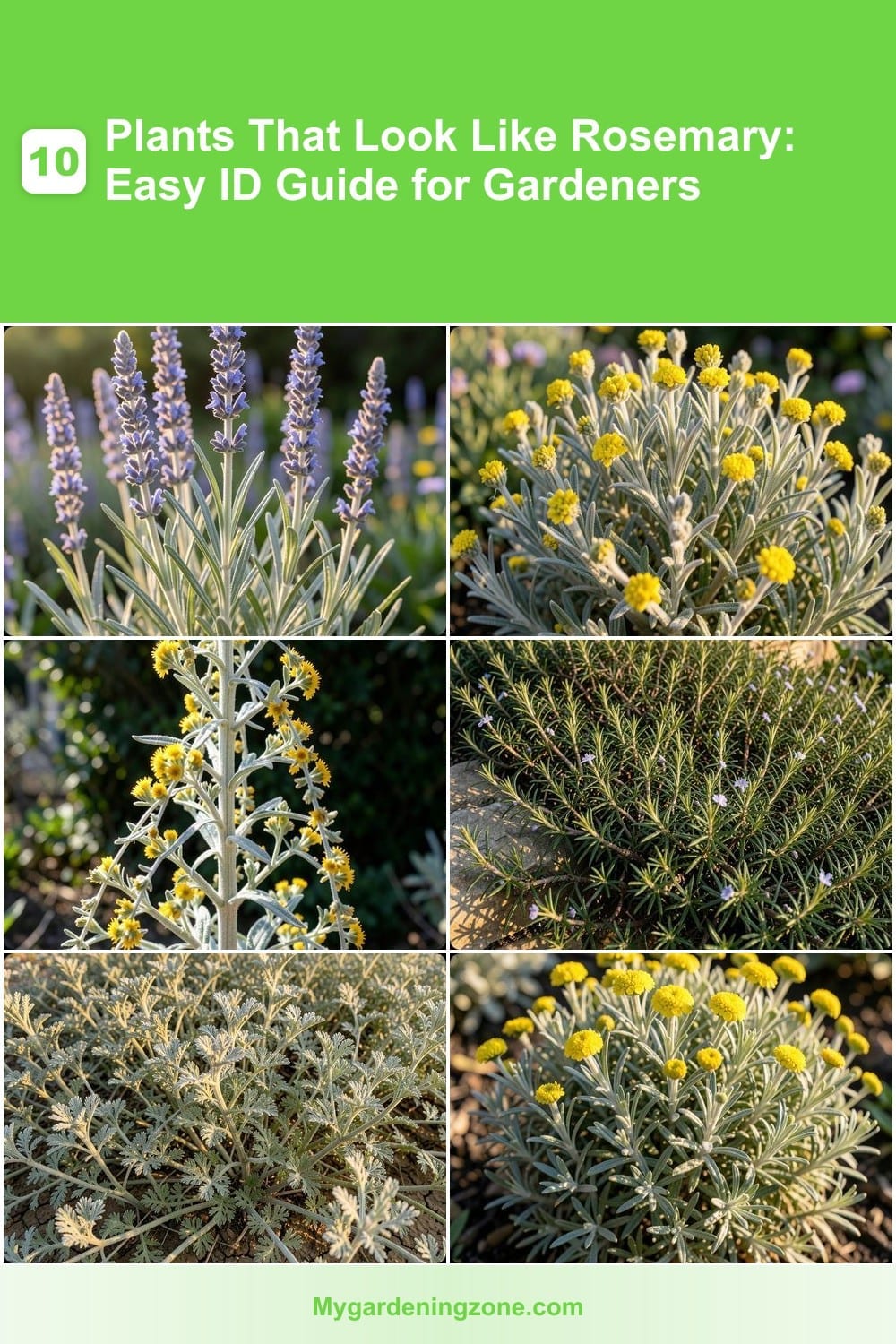
Confusing rosemary with its lookalikes can lead to gardening mistakes or even unsafe consumption. This guide helps you distinguish 10 common plants with similar needle-like leaves and woody stems from the real deal.
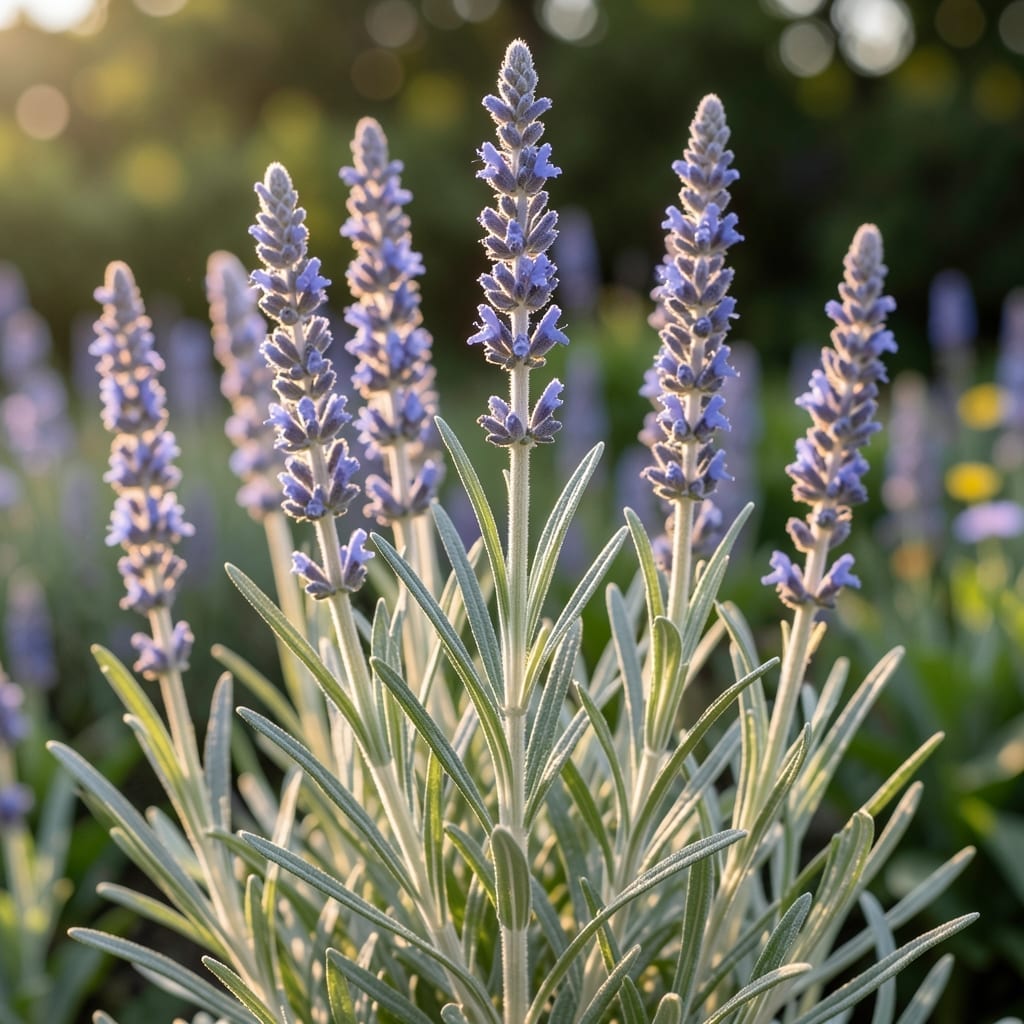
With its silvery foliage and aromatic, narrow leaves, Russian Sage often fools gardeners into thinking it’s rosemary at first glance. This hardy perennial stands out with its tall, airy spikes of lavender-blue flowers that bloom from mid-summer to fall.
Unlike rosemary, it thrives in full sun and well-drained soil, tolerating drought once established. Its shrubby growth and fragrant leaves make it a favorite for pollinator gardens, but its height (3-5 feet) and flower color set it apart from true rosemary.
Perfect for xeric landscapes or low-maintenance gardens where water is scarce. 🌿
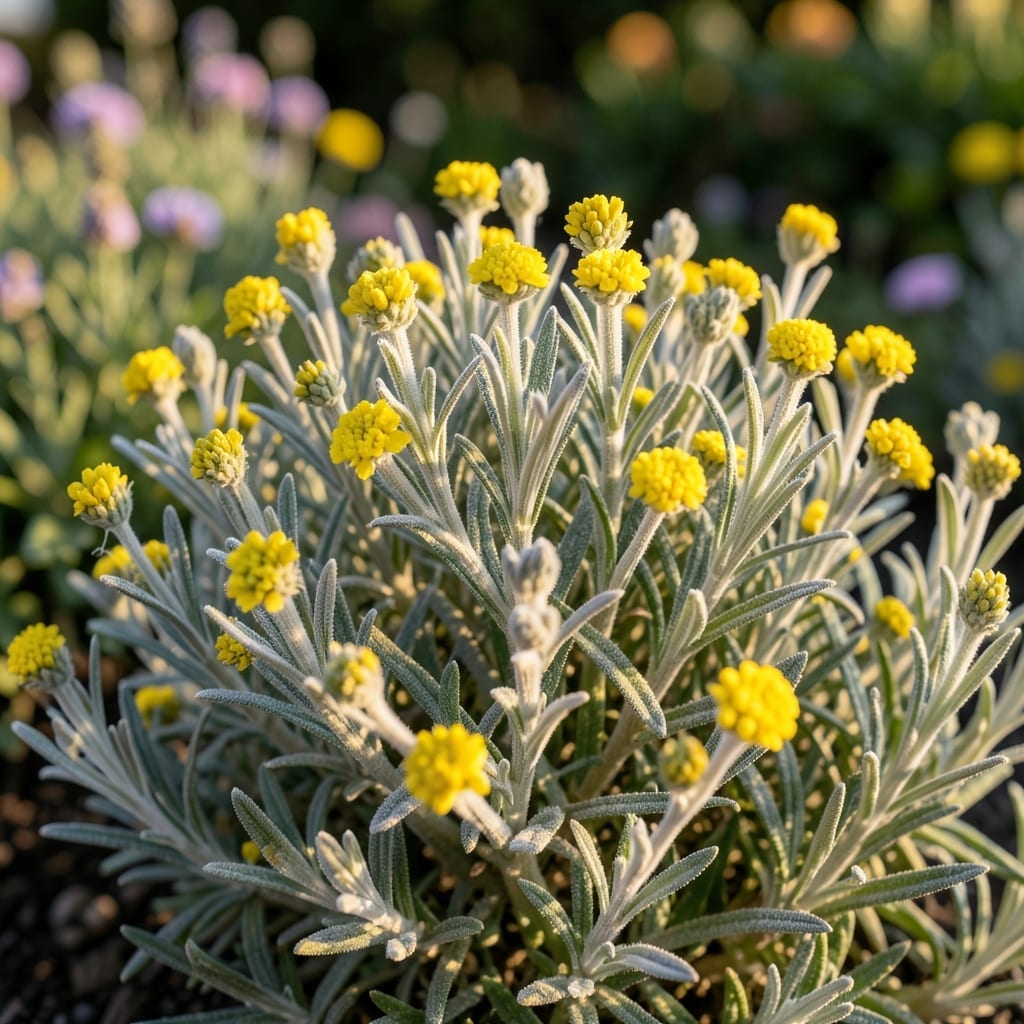
This silvery beauty delivers rosemary’s texture with a twist: soft, fuzzy leaves and cheerful yellow button flowers that stand out in any garden.
Lavender cotton forms neat, compact mounds, making it perfect for borders or container gardens. It thrives in full sun and well-drained soil, just like rosemary, but its unique bloom color helps you tell them apart at a glance.
Ideal for gardeners who love texture and contrast without sacrificing drought tolerance. 🌿
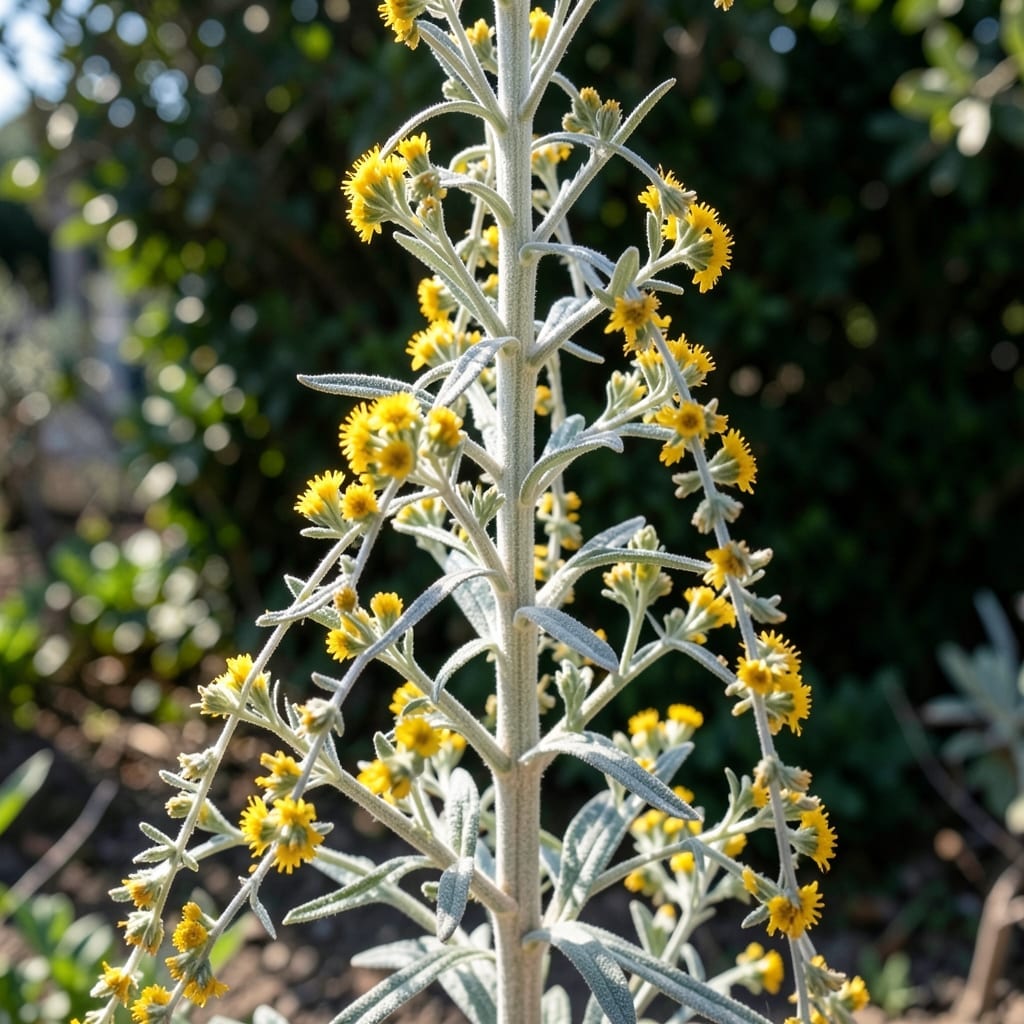
Don’t be fooled by its name—the curry plant isn’t just for spice lovers. Its long, silvery needle-like leaves strongly resemble rosemary’s, but this Mediterranean native grows taller and treats you to clusters of tiny, edible yellow flowers with a distinct curry aroma.
Unlike rosemary, it thrives in full sun and well-drained soil, reaching heights of 3-5 feet. The leaves release their signature scent when brushed against, making it a sensory delight in any garden. It’s perfect for gardeners who want both visual appeal and a unique fragrance.
Ideal for borders or containers, it attracts pollinators while adding texture and height. 🌿
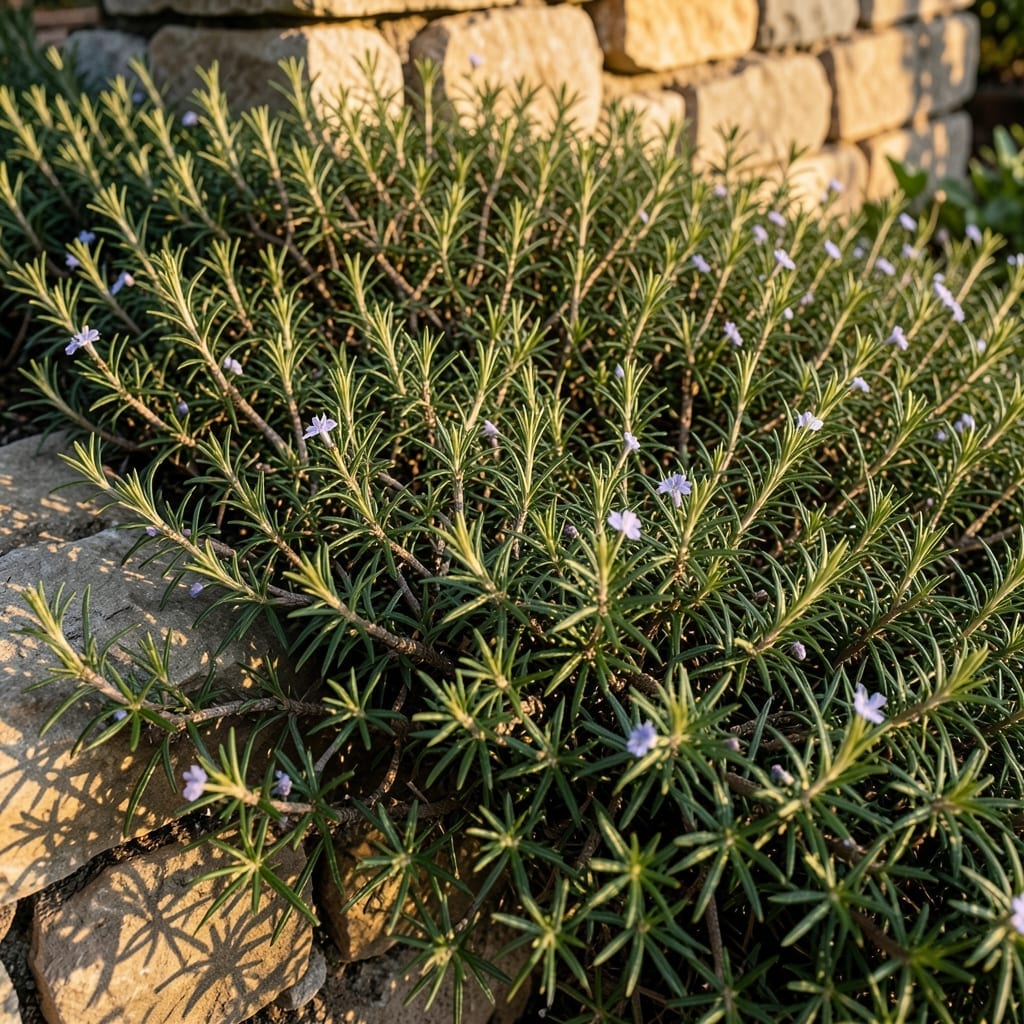
Don’t let its ground-hugging habit fool you—prostrate rosemary is the real deal, not a creeping imposter. This trailing variety spreads horizontally, forming a fragrant, woody mat that’s perfect for slopes or cascading over walls.
Unlike creeping thyme, it boasts the unmistakable needle-like foliage and piney scent of true rosemary, with delicate blue flowers in spring. It thrives in full sun and well-drained soil, making it ideal for rock gardens or Mediterranean landscapes.
Gardeners who want rosemary’s flavor and aroma without the upright growth will love this low-maintenance spreader. 🌿
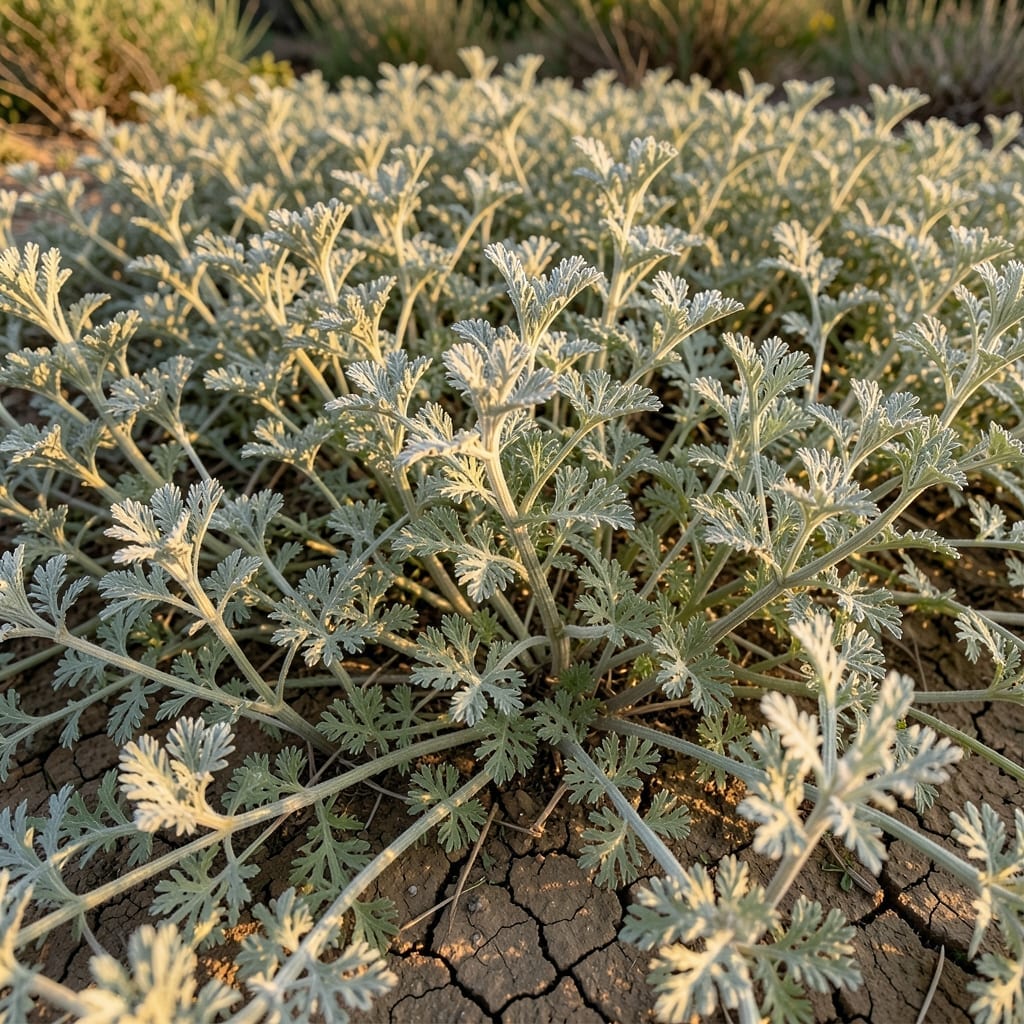
From a distance, mugwort can trick you with its silvery-green, finely divided foliage that echoes rosemary’s appearance—but up close, the difference is clear.
This wild perennial has soft, deeply lobed leaves that lack rosemary’s pungent aroma. It thrives in poor, dry soils and spreads aggressively, making it a hardy choice for wildflower meadows or low-maintenance borders.
Gardeners seeking a tough, naturalized look will appreciate its resilience, but be mindful of its invasive potential in some regions. 🌿
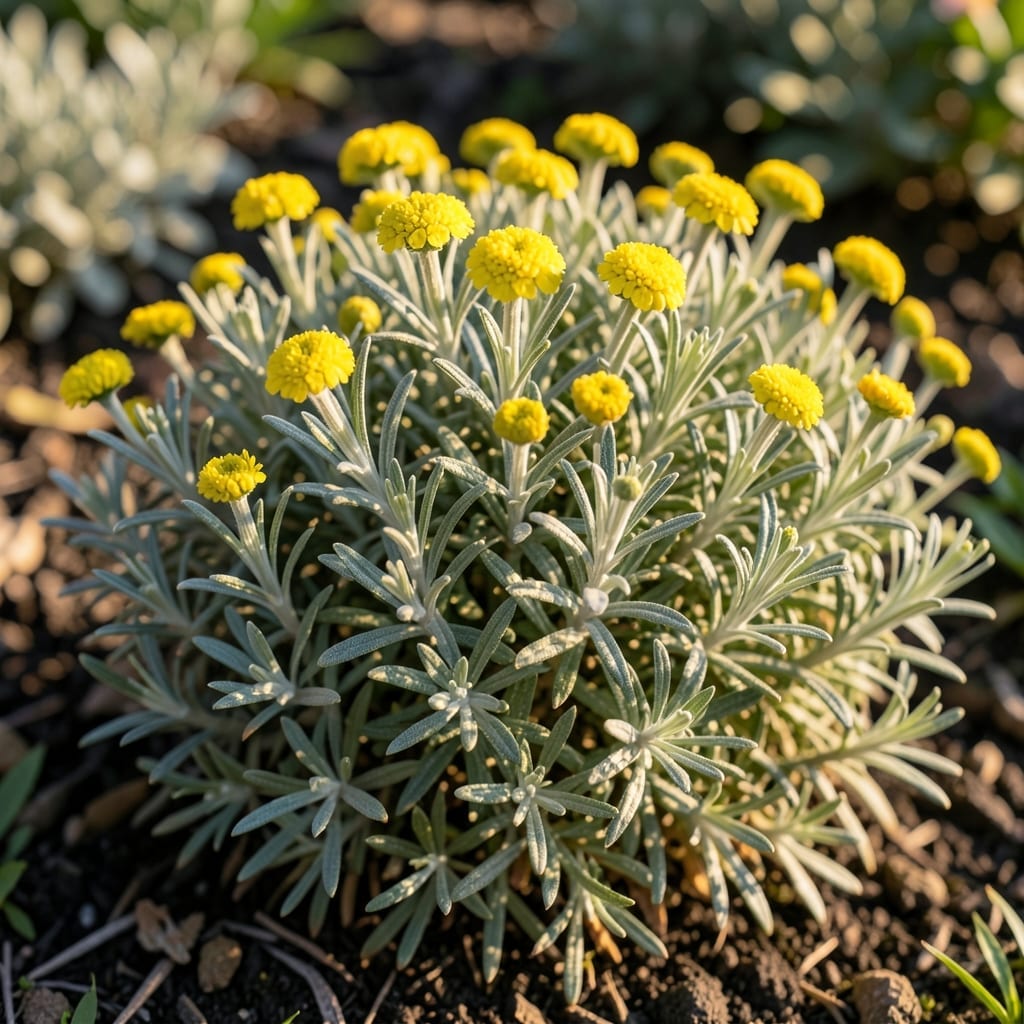
Looking for rosemary’s aroma and texture in a more compact package? Santolina delivers with its finely divided, fragrant foliage that mirrors rosemary’s needle-like appearance.
This rounded shrub stays tidy at 1-2 feet tall and wide, producing cheerful button-like yellow flowers that set it apart. It thrives in full sun and well-drained soil, making it perfect for borders or container gardens where space is limited.
Gardeners who love rosemary’s look but want a pop of color will adore this low-maintenance, drought-tolerant alternative. 🌿
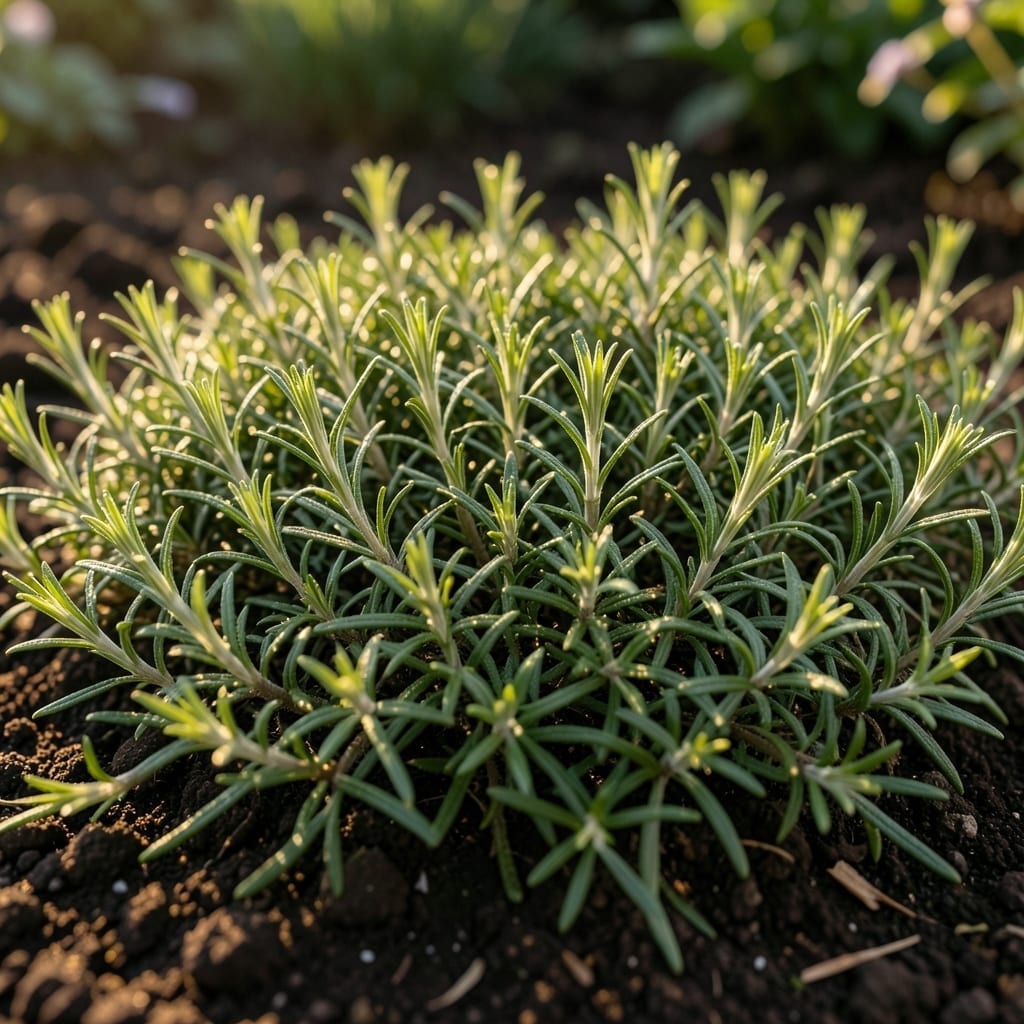
This unusual hybrid will have you doing a double-take with its needle-like rosemary foliage growing in mint’s spreading pattern. The plant presents a fascinating contradiction: it looks like rosemary but spreads like mint, creating a dense, aromatic ground cover.
You’ll enjoy its dual fragrance—piney rosemary with a hint of mint—that intensifies when brushed against. It prefers full sun to partial shade and well-drained soil, though it’s less drought-tolerant than true rosemary. The small purple flowers add a delicate touch to its already intriguing appearance.
Perfect for gardeners who love unique plants that spark conversation and sensory delight. 🌿
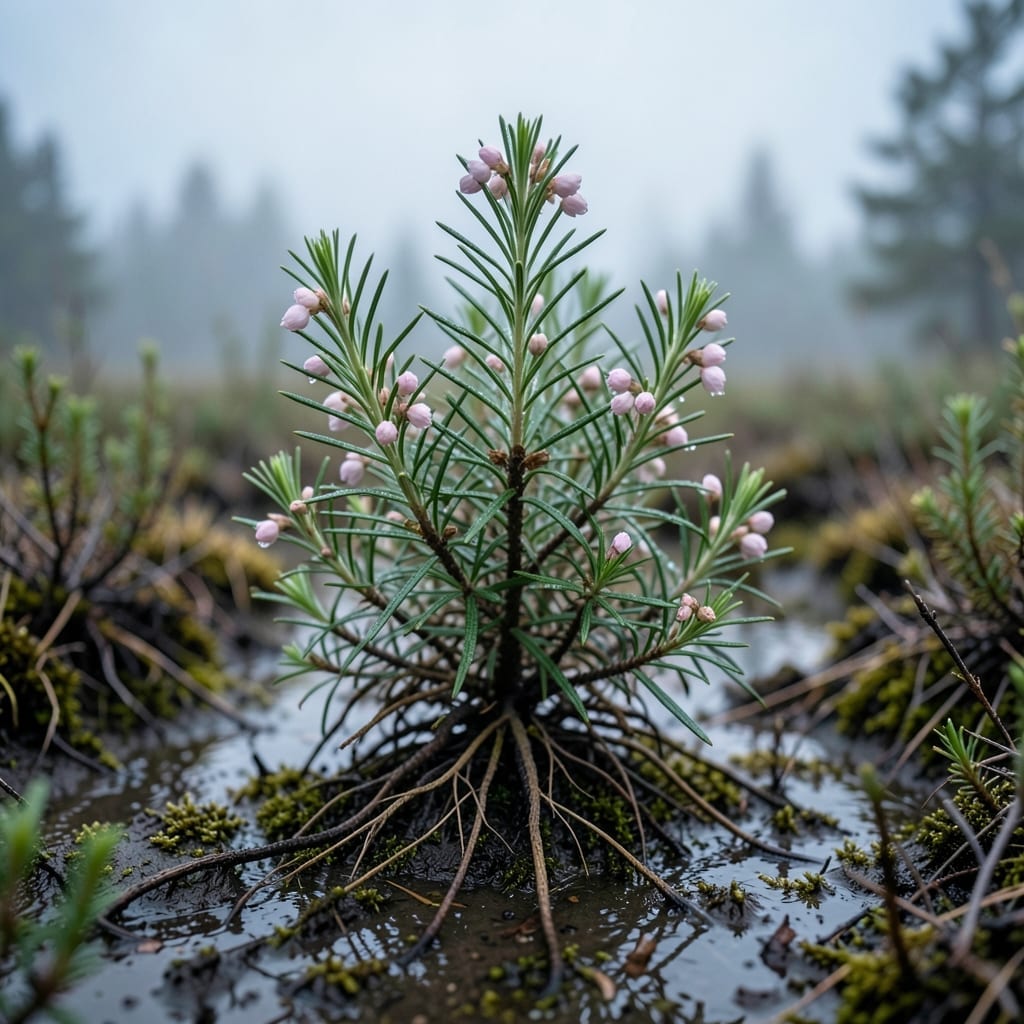
If you love rosemary’s look but need a plant for wetter spots, bog rosemary is your answer. This wild shrub thrives in bogs and wetlands, flaunting needle-like leaves and delicate pink flowers that echo rosemary’s charm but demand consistently moist soil.
Unlike its Mediterranean cousin, it’s cold-hardy and prefers acidic, waterlogged conditions. Its compact growth (1-3 feet tall) makes it ideal for rain gardens or pond edges where other rosemary lookalikes would drown. The pink blooms add a soft contrast to its evergreen foliage.
Perfect for gardeners with damp spaces who still want that rosemary aesthetic. 🌿
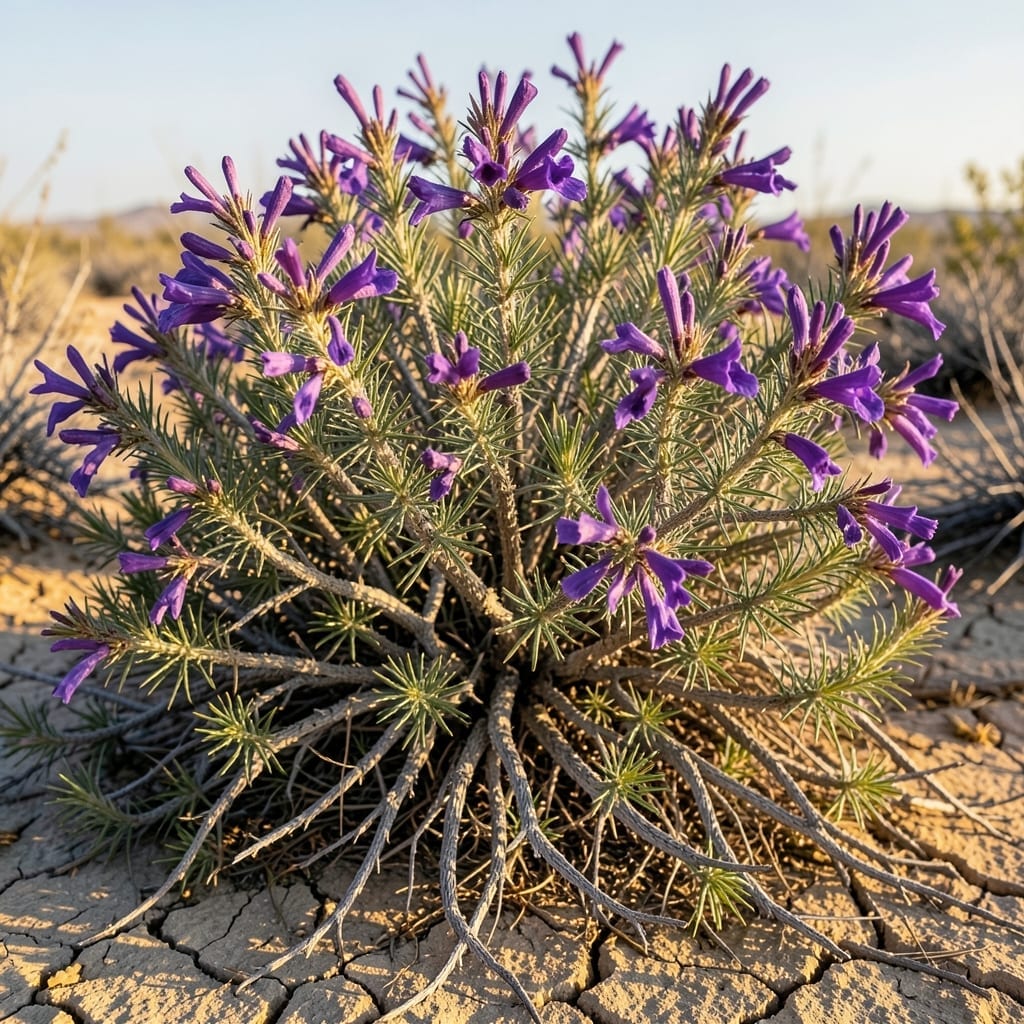
In arid landscapes, Texas Ranger Plant often gets mistaken for rosemary thanks to its dense, needle-like foliage and woody stems. But this tough shrub stands out with its explosion of vibrant purple tubular flowers that appear in waves throughout the growing season.
This drought-resistant native thrives in full sun and poor, rocky soil where other plants struggle. It typically grows 3-6 feet tall, forming a rounded, bushy shape that provides excellent structure and pollinator support in water-wise gardens.
Perfect for gardeners in dry climates who want rosemary’s look with even greater resilience and color. 🌿
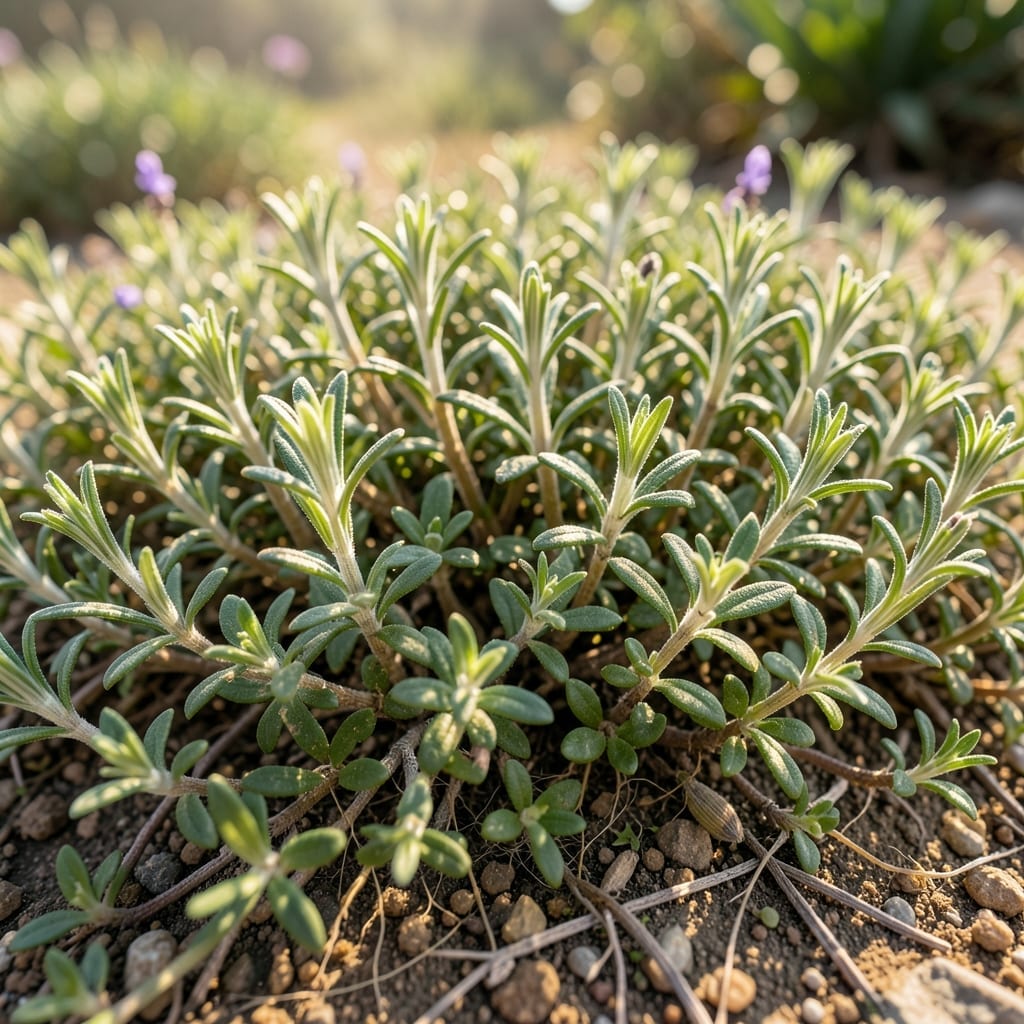
Don’t let its petite size fool you—creeping thyme can easily be mistaken for young rosemary with its tiny, oval leaves and woody stems. This hardy ground cover spreads quickly, forming a lush, fragrant mat that releases its aroma when stepped on.
It thrives in full sun and well-drained soil, producing delicate pink or purple flowers in summer. Unlike rosemary, it stays low to the ground, making it perfect for pathways, rock gardens, or between stepping stones.
Ideal for gardeners who want a tough, drought-tolerant plant that adds beauty and fragrance underfoot. 🌿