
Beautiful Plants For Your Interior
Beautiful Plants For Your Interior
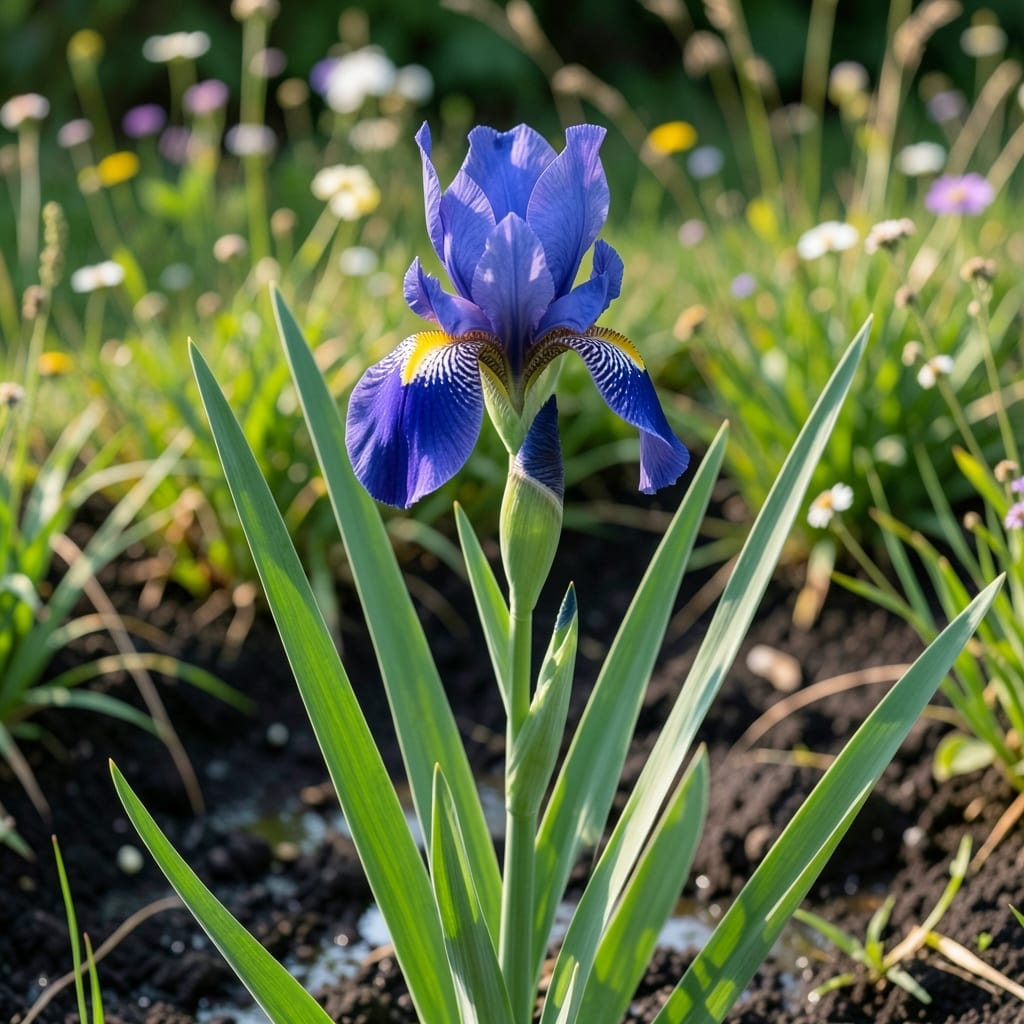
Sword-shaped leaves instantly add drama to any garden bed. I’ve spent years chasing that iris look without the actual flowers, and there are some shockingly good substitutes that deliver the same architectural punch.
These plants thrive in similar conditions—most love full sun and well-drained soil. Some even bloom with iris-like flowers, while others focus purely on the striking foliage. Either way, they create the same vertical interest in borders or mass plantings.
You’ll get that bold, strappy leaf effect with less fuss than true irises. Many are drought-tolerant once established, and some spread beautifully to fill spaces over time. The best part? They pair perfectly with actual irises for layered texture.
From wetland lovers to dry-soil survivors, there’s a lookalike for every garden niche. Here’s how to use them for maximum impact.
Nature loves a good copycat, and plants are no exception. The striking sword-shaped foliage and vibrant blooms of true irises (Iris spp.) are so iconic that evolution has inspired a host of lookalikes through a phenomenon called convergent evolution. This occurs when unrelated species develop similar traits due to shared environmental pressures or ecological niches. Here’s why it happens:
Plants that mimic irises often thrive in similar habitats—wetlands, meadows, or sunny borders. Their sword-like leaves and tall, showy flowers help them compete for pollinators like bees and butterflies, which are drawn to the iris’s classic shape and color patterns. This adaptation increases their chances of reproduction, as pollinators may not distinguish between the real deal and a convincing doppelgänger.
Many iris-like plants, such as Crocus or Gladiolus, grow in the same conditions as true irises: moist, well-drained soil and full to partial sun. Over time, these plants evolve comparable structures to optimize sunlight capture and resist predators. For example, the vertical, rigid leaves of iris mimics deter herbivores by being tough or bitter-tasting, much like true irises.
Sometimes, the resemblance is pure coincidence. Certain plant families, like the Amaryllidaceae (e.g., Zephyranthes), share ancestral traits with irises, leading to superficial similarities in leaf shape or flower structure. While not closely related, these genetic overlaps create a visual echo that gardeners adore.
In short, it’s survival of the fittest—and the most photogenic. 🌸
If your iris lookalikes aren’t thriving, these targeted solutions can turn things around. Address each issue with simple, actionable steps to restore their striking sword-shaped foliage and vibrant blooms.
Soggy roots often cause yellowing. Repot plants in well-draining soil mixed with perlite or sand. For in-ground plants, amend the bed with compost to boost drainage. Prevention tip: 💡 Use raised beds if your soil retains too much moisture.
Overwatering or drought stress leads to wilting. Check soil moisture—water only when the top inch is dry. In hot climates, mulch around the base to retain moisture. Prevention tip: 🌡️ Water deeply but infrequently to encourage strong roots.
Aphids and iris borers love these plants. Spray with neem oil or insecticidal soap for minor infestations. For borers, remove affected foliage and dispose of it sealed in a bag. Prevention tip: ✨ Keep the garden tidy to discourage pests from settling in.
Poor flowering often means low phosphorus. Fertilize in early spring with a balanced 10-10-10 or high-phosphorus 5-10-5 mix. Prevention tip: 🎯 Divide clumps every 3–4 years to prevent overcrowding and promote blooming.
Too little sun causes sparse, weak growth. Relocate plants to a spot with at least 6 hours of sunlight daily. For container plants, rotate pots weekly for even exposure. Prevention tip: 🌿 Avoid deep shade—dappled light is better than none.
Most do! They typically thrive in full sun to partial shade and prefer well-drained soil. However, some may tolerate wetter conditions better than true irises. Always check specific growing requirements.
Sisyrinchium (blue-eyed grass) produces tiny, iris-like blooms in purple, yellow, or white. Another top pick is Crocus, with its cup-shaped flowers that mimic iris blossoms.
Many, like Dietes or Neomarica, adapt well to pots. Use a container at least 12 inches deep with good drainage, and water when the topsoil feels dry.
Variations in leaf color, like silver or striped foliage, often help these plants stand out in their native habitats. This can also provide unique visual interest in your garden design.