
Beautiful Plants For Your Interior
Beautiful Plants For Your Interior
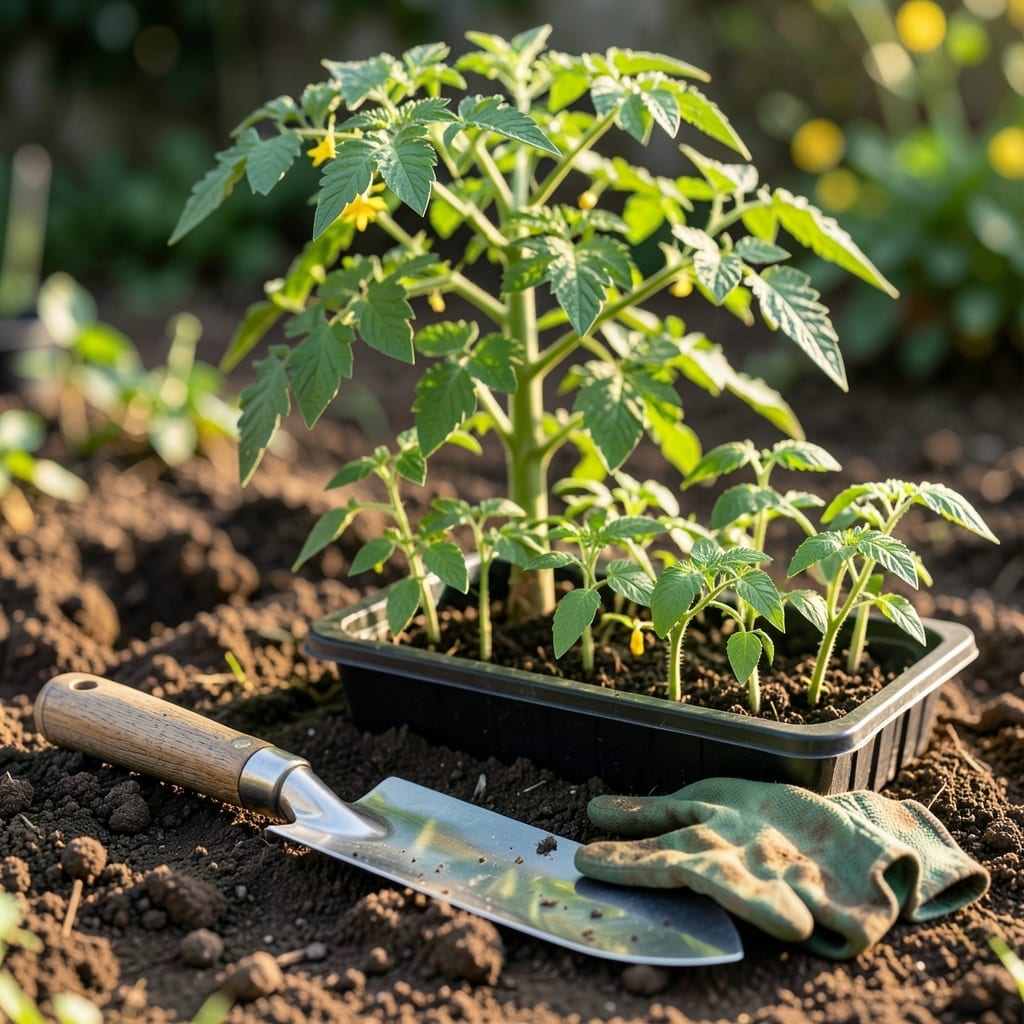
Texas gardeners face unique challenges due to the state’s vast climate diversity. Timing your planting right can make all the difference between a thriving garden and a disappointing harvest.
Here in zones 8a-9b, the 🌱 General planting windows of February-April and September-November offer prime opportunities. But knowing exactly when to start is the key to success.
I’ve seen firsthand how proper timing transforms struggling gardens into abundant ones. Whether you’re new to Texas gardening or looking to refine your approach, understanding these seasonal patterns is most important.
Let me walk you through how to align your planting with Texas’s unique conditions. You’ll discover how to work with our climate, not against it, for your best harvest yet.

Texas spans USDA zones 6-10, creating diverse planting windows. In North Texas (Zone 8a), I start cool-season crops like kale and broccoli in early spring or fall to avoid summer heat. The last frost date here is typically March 15, guiding my planting schedule. 🌱
Central Texas (Zone 8b) offers a longer growing season. I plant tomatoes and peppers after the last frost, usually mid-March. The hot summers mean I focus on heat-tolerant varieties like Okra or Black-eyed peas for summer crops. 🌿
| Region | Zone | Spring Planting | Fall Planting |
|---|---|---|---|
| North Texas | 8a | March-April | September-October |
| Central Texas | 8b | February-March | October-November |
| East Texas | 8a-9a | March-April | August-September |
| South Texas | 9b-10 | January-February | October-December |
In East Texas (Zones 8a-9a), the higher humidity means I watch for fungal diseases. I plant squash and cucumbers in April when the soil warms to 60°F. The longer fall season allows for second plantings of greens and root vegetables. ☀️
South Texas (Zones 9b-10) has a nearly year-round growing season. I start warm-season crops like eggplant and peppers as early as January. The key is protecting young plants from late winter cold snaps with row covers. 🌡️
For vegetables, I always check the days to maturity. In North Texas, I choose fast-maturing varieties like bush beans that can be harvested before the intense summer heat sets in. This ensures a successful harvest before temperatures soar. 🌱
Flowers also have ideal windows. In Central Texas, I plant marigolds and zinnias in March for summer blooms. For perennials like coneflowers, I prefer fall planting to establish roots before winter. 🌻
Herbs such as basil and cilantro thrive in Texas but have different needs. I plant basil after the last frost when night temperatures stay above 50°F. Cilantro does best in cool weather, so I plant it in early spring or fall. 🌿
Soil preparation is crucial across all regions. I always test my soil pH and amend with compost before planting. In clay-heavy soils common in North Texas, I add organic matter to improve drainage. This step prevents root rot and promotes healthy growth. ✂️
Watering practices vary by region too. In drier West Texas, I use drip irrigation to conserve water. In humid East Texas, I water in the early morning to prevent fungal issues. Consistency is key, especially during the first few weeks after planting. 💧
Finally, I always keep a garden journal to track what works. Noting planting dates, weather conditions, and harvest times helps me refine my approach each season. This practice has made my Texas garden more productive and resilient over the years. 🌷
Timing is everything when planting in Texas. I’ve learned that our long growing season allows for two main planting windows: spring and fall. Spring planting typically runs from February to April, while fall planting works best from September to November. 🌱
Each season offers unique advantages. Spring brings warm soil and increasing daylight, perfect for heat-loving plants like tomatoes and peppers. Fall planting benefits from cooler temperatures and reduced pest pressure, ideal for leafy greens and root vegetables.
Seasonal Planting Highlights for Texas
I always check soil temperature before planting. For most vegetables, 60-70°F soil is ideal. In North Texas, we might start cooler crops in late February, while South Texas gardeners can begin earlier.
Don’t forget about frost dates. Our last average frost is around March 15 in most areas, but this can vary. I recommend using a soil thermometer to be precise. This simple tool has saved me from many early planting mistakes. 🌡️
For summer planting, I focus on heat-tolerant varieties. Okra, black-eyed peas, and sweet potatoes thrive in our hot summers. These plants actually perform better when temperatures soar above 90°F.
Fall is my favorite planting season. The cooler weather reduces water needs and pest problems. I start my fall garden in early September to get a jump on the growing season before our first frost, typically around November 15. 🌿