
Beautiful Plants For Your Interior
Beautiful Plants For Your Interior
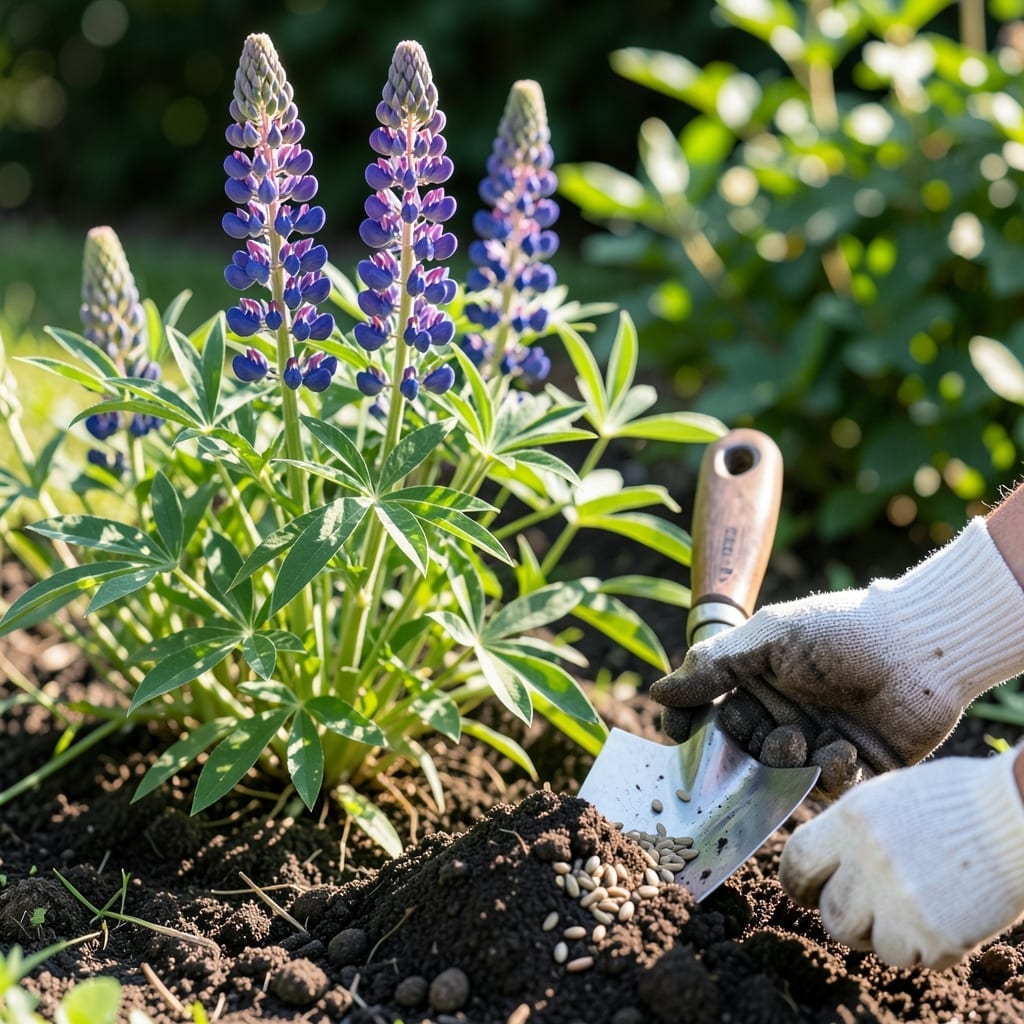
Imagine stepping into your garden next spring to find vibrant 🌸 Lupine blooms welcomes you before most other plants have even woken up. There’s something magical about this early display of color.
Fall planting is the secret to achieving this head start. By sowing Lupine seeds now, you’re letting nature do the hard work of breaking down those tough seed coats during winter.
Discover how this simple timing trick can transform your garden with minimal effort and maximum reward when warmer weather arrives.
Planting lupine seeds in fall sets the stage for a stunning spring display. I’ve found this method takes advantage of winter’s natural stratification, breaking down tough seed coats for better germination.
Start by choosing a well-draining location with full sun exposure. Lupines thrive in sandy or loamy soil, so amend heavy clay with compost before sowing.
Follow These Steps for Success:
After sowing, keep the soil lightly moist but not soggy. Overwatering can cause seed rot, so I check the soil moisture by hand before adding more.
Mulching is crucial for fall-planted lupines. I use a thin layer of straw or leaf mold to insulate the seeds while still allowing air circulation.
By early spring, you should see green sprouts emerging. This is when the winter’s work pays off, as the seeds have already begun their growth cycle.
Once seedlings appear, thin them to 12-18 inches apart if needed. This ensures each plant has enough space to mature without competition.
Lupines are drought-tolerant once established, but young seedlings need consistent moisture. I water them weekly unless rain provides enough.
If your soil is poor in nutrients, consider adding a balanced fertilizer in early spring. However, lupines generally prefer leaner soils and can struggle in overly rich conditions.
Finally, be patient. Lupines grown from fall-sown seeds often produce stronger root systems and more vibrant blooms the following year. The wait is worth it! 🌱
Fall planting gives lupine seeds a natural head start. The cold winter months break down the tough seed coat through stratification, which is essential for germination.
I’ve noticed that seeds sown in autumn often sprout earlier and stronger in spring compared to those planted in warmer seasons. This method mimics how lupines naturally propagate in the wild.
Top Benefits of Fall Planting:
Another advantage is reduced competition from weeds. With cooler temperatures, fewer weeds germinate, giving your lupine seedlings a better chance to establish themselves without fighting for resources.
Fall sowing also aligns with lupines’ natural growth cycle. These plants are adapted to cool-season germination, which means they thrive when given this early start.
I always mark my planting spots clearly, as the seeds won’t be visible above ground until spring. This prevents accidental disturbance during winter garden maintenance.
Soil temperature is another factor to consider. Aim to plant when soil is still workable but cooling down, typically 4-6 weeks before your first frost date.
With these benefits, it’s clear why fall is my preferred time to sow lupines. The results speak for themselves with healthier plants and more vibrant blooms the following season. 🌱