
Beautiful Plants For Your Interior
Beautiful Plants For Your Interior
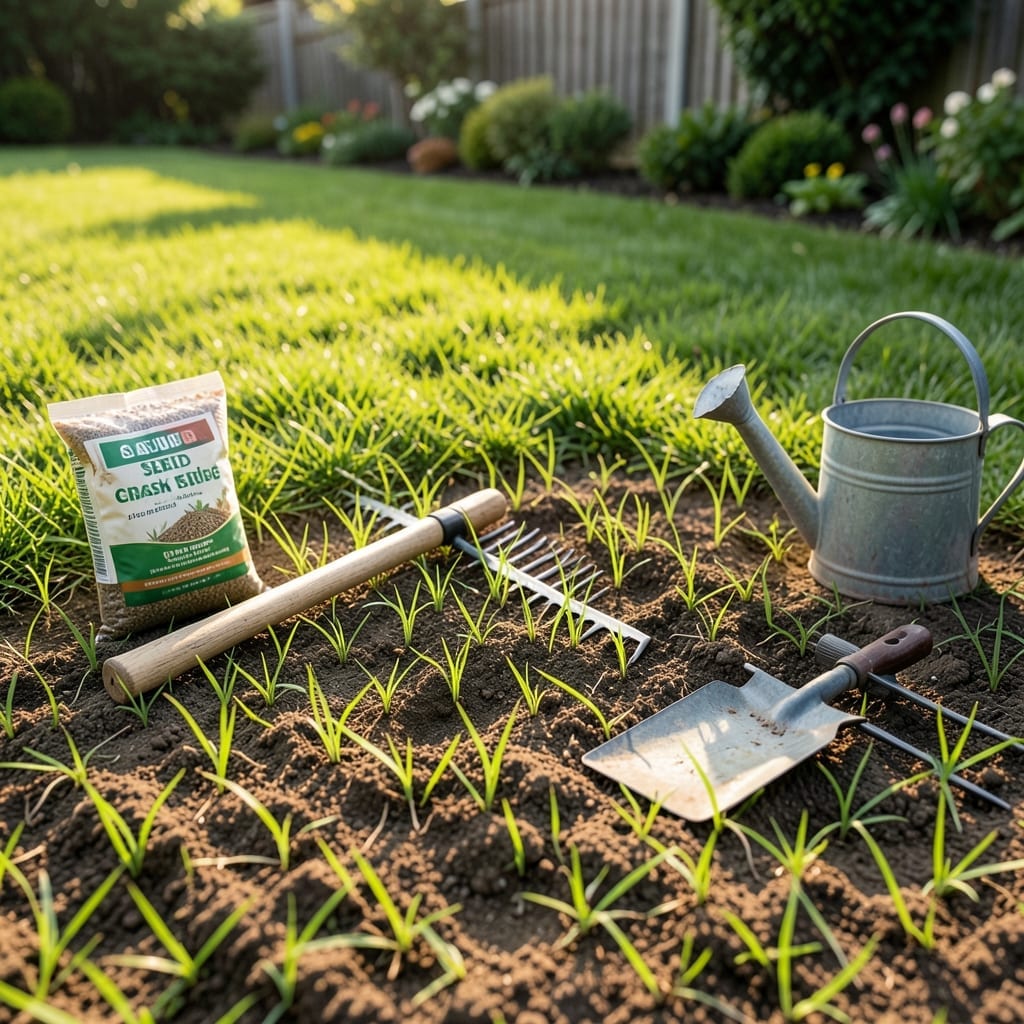
I used to think spring was the best time to plant lawn seed, but then I discovered the magic of autumn. The cooler air and warm soil create perfect conditions for 🌱 Lawn Grass seeds to take root and establish before winter.
In zone 6, August through September offers the ideal window for this. You’ll give your lawn a head start, ensuring it emerges lush and vibrant when spring arrives.
Discover how to leverage this seasonal advantage for a lawn that will be the envy of your neighborhood. Let’s get started.
I’ve found that autumn seeding gives lawns a huge advantage over spring planting. The cool air and warm soil create ideal conditions for germination and root growth before winter sets in.
In zone 6, August through September is prime time. You’ll avoid the summer heat stress while giving roots 6-8 weeks to establish before the first frost.
| Benefit | Why It Matters |
|---|---|
| Cool Temperatures | Reduces heat stress on new grass |
| Warm Soil | Speeds up seed germination |
| Less Weed Competition | Fewer weeds to steal nutrients |
| Consistent Moisture | Natural rainfall supports growth |
| Strong Roots | Establishes deep roots before winter |
The soil temperature in early autumn stays warm enough to promote rapid germination, while the air stays cool enough to prevent evaporation of moisture.
Another key advantage is reduced weed pressure. In spring, weeds like crabgrass compete aggressively with new grass. In autumn, many weeds are dying back, giving your lawn seed a fighting chance.
I always recommend testing your soil before planting. A simple pH test can reveal if you need lime or sulfur adjustments. Aim for a pH of 6.0-7.0 for most lawn grasses.
The consistent rainfall in fall means less manual watering for you. Nature does much of the work, keeping the soil evenly moist for those critical first weeks.
Don’t forget about root development. Grass planted in autumn grows stronger roots because it’s not focusing energy on top growth like it does in spring. This means a healthier lawn come spring.
For best results, plant 6-8 weeks before your first expected frost. In zone 6, that typically means mid-August to mid-September. This timing gives roots enough time to establish deeply.
I’ve seen lawns seeded in autumn come back thicker and greener the following spring compared to those planted in spring. The cool-season grasses like Kentucky bluegrass, fescue, and ryegrass particularly thrive with this approach.
Finally, autumn planting means you’ll have a head start on spring. While your neighbors are just beginning their lawn care, yours will already be established and growing 🌱
I always start by preparing the soil properly. Remove any dead grass, weeds, or debris from the area. This gives your new seed direct contact with the soil for better germination.
Next, I loosen the top inch of soil using a rake or tiller. This helps the lawn seed make good contact and allows roots to penetrate easily. Don’t skip this step—it’s crucial for success.
For seed selection, I recommend choosing a high-quality mix suited to your region. In zone 6, Kentucky bluegrass and tall fescue blends work exceptionally well for autumn planting.
When spreading the seed, use a broadcast spreader for even distribution. I find that dividing the seed into two equal parts and spreading in perpendicular directions prevents bare spots.
After sowing, lightly rake the area to ensure the seeds make contact with the soil. Then, apply a thin layer of straw as mulch to protect the seeds and retain moisture.
The most critical part is watering properly. Keep the soil consistently moist but not soggy. I water lightly daily until germination, then gradually reduce frequency as the grass establishes.
With proper care, you’ll see green sprouts within 7-14 days, depending on the grass type and conditions ☀️