
Beautiful Plants For Your Interior
Beautiful Plants For Your Interior
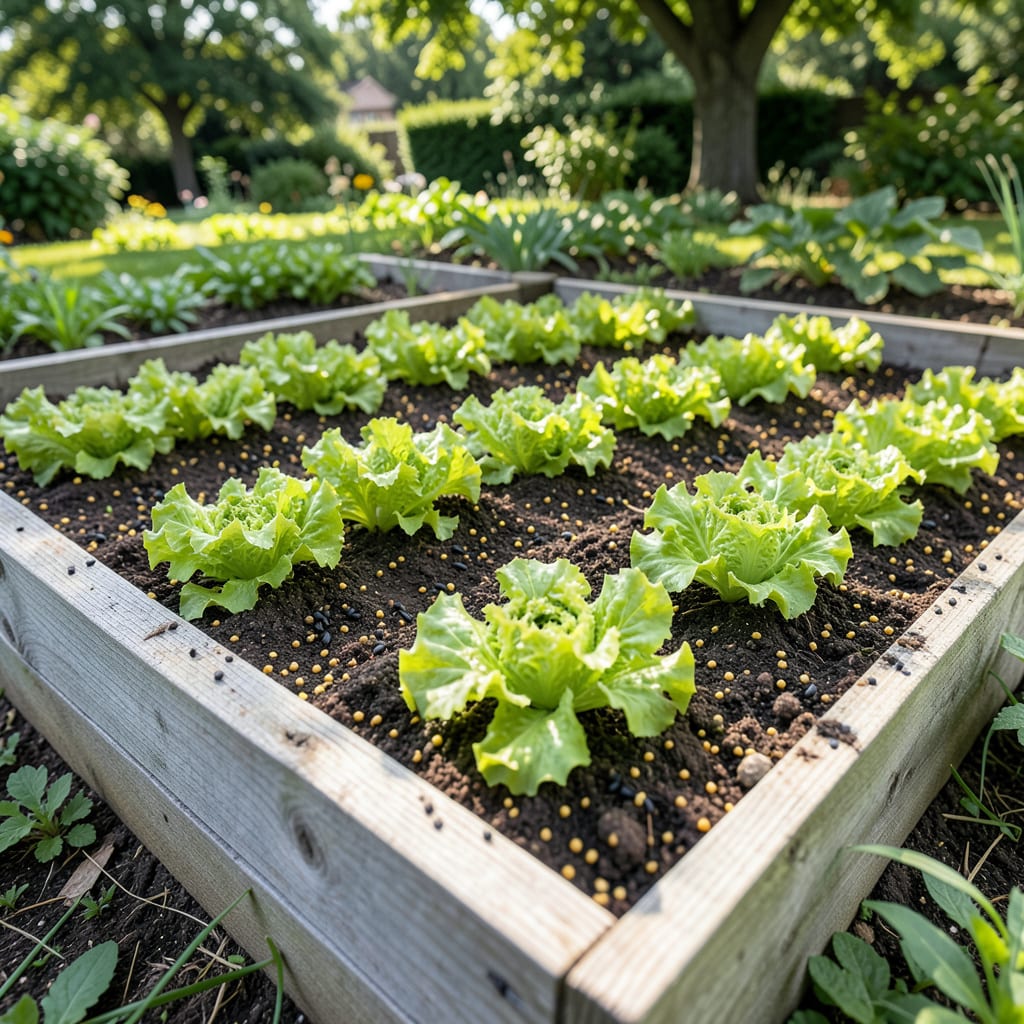
Black Seeded Simpson lettuce grows so fast, you’ll be harvesting tender leaves in 30 days. I started with one packet and ended up with more salad than my family could eat.
This variety thrives in cool weather and tolerates light frost. Plant seeds shallowly in loose soil, keep them moist, and watch as they sprout within a week. The loose-leaf habit makes harvesting effortless.
📚 In This Guide
Here’s my tried-and-true method for getting crisp, tender leaves in record time.
Choose a location with partial shade to full sun—this variety tolerates heat better than most, but afternoon shade in hot climates prevents bolting. Loosen the soil to a depth of 12 inches with a garden fork, breaking up any clumps. I always mix in 2-3 inches of compost to improve drainage and fertility.
Rake the surface smooth and remove any debris or large rocks. The ideal soil texture should feel crumbly in your hands. If your soil is heavy clay, consider planting in raised beds filled with a mix of garden soil and compost for better results.
Scatter the seeds thinly over the prepared soil, aiming for about 10-12 seeds per foot. Press them lightly into the soil—just enough to ensure good contact—but don’t bury them. These seeds need light to germinate, so covering deeply will reduce your success rate.
Mist the area gently with water until the soil is evenly moist. Avoid a heavy stream, which can displace the seeds. I like to mark the rows with small sticks or labels so I remember where I’ve planted, especially if sowing multiple varieties.
Keep the soil consistently moist but not waterlogged. Water lightly every 1-2 days, or whenever the top ½ inch of soil feels dry. A fine mist from a spray bottle works well for young seedlings to avoid disturbing them.
Thin the seedlings to 6-8 inches apart once they’re 2-3 inches tall. Crowded plants compete for resources and produce smaller, weaker leaves. Use small scissors to snip unwanted seedlings at soil level rather than pulling them, which can disturb the roots of the ones you want to keep.
Once the plants have 4-6 true leaves, apply a balanced, water-soluble fertilizer diluted to half strength. I feed mine every 2-3 weeks to encourage rapid, lush growth. Avoid high-nitrogen fertilizers, which can lead to excessive leafy growth at the expense of flavor.
Watch for signs of stress, like yellowing leaves or stunted growth. If the leaves start to look pale, it may indicate a need for more nitrogen. Conversely, if the plants bolt (send up flower stalks) prematurely, it’s often a sign of heat stress or inconsistent watering.
Begin harvesting outer leaves when they reach 4-6 inches long, usually 30-40 days after sowing. Use clean, sharp scissors to snip leaves about 1 inch above the soil, allowing the plant to continue growing.
Regular harvesting encourages new growth and extends the productive life of the plant. If you prefer to harvest the entire plant at once, cut it at the base when it reaches mature size. For the best flavor, harvest in the morning when the leaves are crisp and full of moisture.
Here’s how to sidestep the most common pitfalls when growing this variety.
Soil Prep Secret: In Step 1, when you loosen the soil to 12 inches, take extra time to break up any large clumps. I’ve found that crumbly, fine soil helps the shallow roots establish faster, and mixing in 2-3 inches of compost gives the plants a nutrient boost right from the start.
Seed Depth Matters: In Step 2, resist the urge to bury the seeds deeply. Press them lightly into the soil just enough to make contact, but remember they need light to germinate. Covering them too much will drastically reduce your success rate—this is one mistake I see beginners make repeatedly.
Thinning Technique: When seedlings reach 2-3 inches tall in Step 3, thin them to 6-8 inches apart without hesitation. I use small scissors to avoid disturbing the roots of the plants I’m keeping. Crowded seedlings always produce smaller, weaker leaves.
Harvest Timing: Start harvesting when leaves reach 4-6 inches long, typically 30-40 days after sowing. Morning is ideal since the leaves are crisp and full of moisture. I always use clean, sharp scissors and cut about 1 inch above the soil to allow regrowth.
You can start planting Black Seeded Simpson lettuce 4-6 weeks before the last frost date. It thrives in cool weather, so early spring or late summer is ideal for avoiding bolt.
Sow seeds 1/4 inch deep, spacing them 1-2 inches apart in rows 12-18 inches apart. Thin seedlings to 6-12 inches apart for optimal growth and air circulation.
Yes! Use a container at least 6-8 inches deep with well-draining soil. Ensure it gets 4-6 hours of sunlight daily and keep the soil consistently moist.
Bitterness and bolting often occur in hot weather. Plant in cooler seasons, provide shade, or harvest early. Consistent watering also helps prevent stress-induced bitterness.
Yes! Try Buttercrunch or Oakleaf lettuce for similar rapid growth. Both are heat-tolerant and offer a mild flavor, perfect for salads.
