
Beautiful Plants For Your Interior
Beautiful Plants For Your Interior
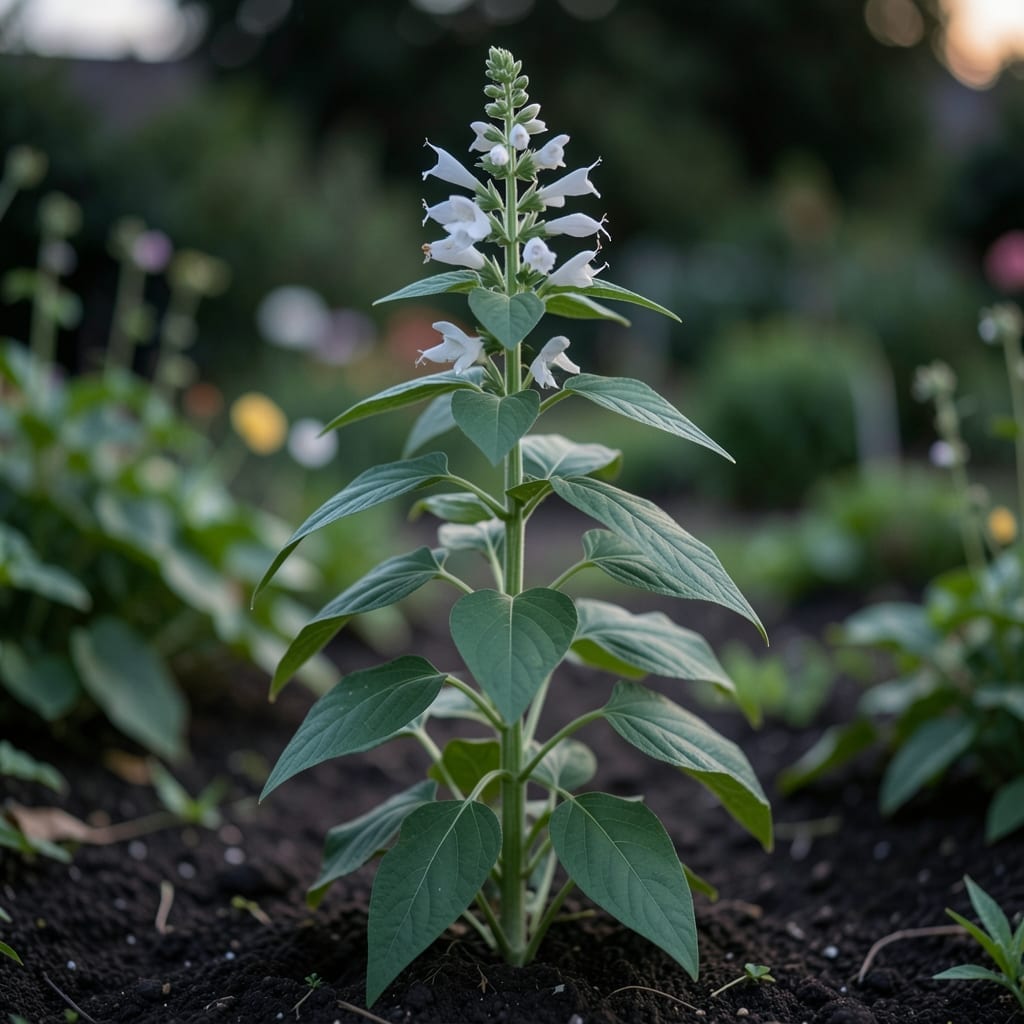
That tall, leafy plant in your garden might be Nicotiana, not tobacco. I spotted one last summer and assumed it was a weed—until those fragrant white flowers opened at dusk.
What sets Nicotiana apart are its trumpet-shaped blooms and sticky leaves. The scent is stronger at night, and the plants thrive in full sun with well-draining soil. They self-seed easily, so you’ll often find them popping up in unexpected spots.
Care is simple: water when the soil dries, and deadhead to encourage more blooms. These plants attract hummingbirds and pollinators but keep them away from pets—they’re toxic if ingested.
Perfect for adding height and evening fragrance to borders or containers. Here’s how to tell them apart from true tobacco.
Plants that resemble tobacco often share striking visual traits with Nicotiana species due to evolutionary, environmental, and genetic factors. Below are the key reasons behind this phenomenon:
Some plants mimic tobacco (Nicotiana) as a survival strategy. This Batesian mimicry deters herbivores that associate the tobacco plant’s toxic alkaloids (like nicotine) with its appearance. Over time, non-toxic plants evolving similar leaf shapes, textures, or growth patterns gain protection by resembling their unpalatable counterparts.
Tobacco belongs to the Solanaceae (nightshade) family, which includes other plants like tomatoes and peppers. Some look-alikes, such as Solanum species, share a close genetic lineage with Nicotiana. This results in overlapping physical traits like lance-shaped leaves, sticky hairs, or clustered white/pink flowers, all inherited from a common ancestor.
Plants in similar habitats (e.g., dry, sunny areas) often develop convergent traits. For example, Nicotiana glauca (tree tobacco) and its doppelgängers may both evolve silvery, waxy leaves to reflect sunlight and reduce water loss in arid climates. These adaptations create superficial similarities even among unrelated species.
In cultivated settings, breeders may intentionally or unintentionally select for tobacco-like features in ornamental plants. Varieties of Solanum or Petunia (also in Solanaceae) are sometimes bred to emphasize traits reminiscent of tobacco, such as trumpet-shaped flowers or fuzzy foliage, to appeal to gardeners familiar with Nicotiana.
If you’ve identified a Nicotiana plant that looks like tobacco but it’s not thriving, here’s how to tackle the most common problems and keep it healthy.
Overwatering or underwatering can stress your plant. Fix it by checking the soil: if it’s bone-dry, water deeply; if soggy, let it dry out before watering again. Nicotiana prefers moist but well-drained soil. Prevention tip: 💡 Use a mulch layer to retain moisture and water in the morning to reduce evaporation.
Aphids and whiteflies love tobacco-like plants. Fix it by spraying a mix of water and mild soap or introducing beneficial insects like ladybugs. Prevention tip: 🎯 Inspect leaves regularly and remove pests by hand if caught early.
If your plant looks tall and sparse, it’s likely stretching for light. Fix it by moving it to a sunnier spot (6+ hours of sunlight daily). Prevention tip: ✨ Rotate potted plants weekly to ensure even growth.
Fungal issues often cause brown or black spots. Fix it by pruning affected leaves and spacing plants to improve airflow. Avoid overhead watering. Prevention tip: 🌡️ Water at the base of the plant to keep foliage dry.
With these simple fixes, your Nicotiana will look lush and vibrant in no time!
Yes, Nicotiana contains nicotine and other alkaloids that are toxic to dogs and cats. Keep it out of reach and contact your vet immediately if ingestion occurs.
Nicotiana often has fragrant flowers that open at night, while true tobacco has larger, less showy blooms. Check the leaves: ornamental types are usually stickier and more aromatic.
It’s possible with bright light and good airflow, but these plants thrive best outdoors. If indoors, place near a south-facing window and use grow lights during shorter days.
Some varieties self-seed prolifically. To control spread, deadhead flowers before they set seed or grow it in containers.