
Beautiful Plants For Your Interior
Beautiful Plants For Your Interior
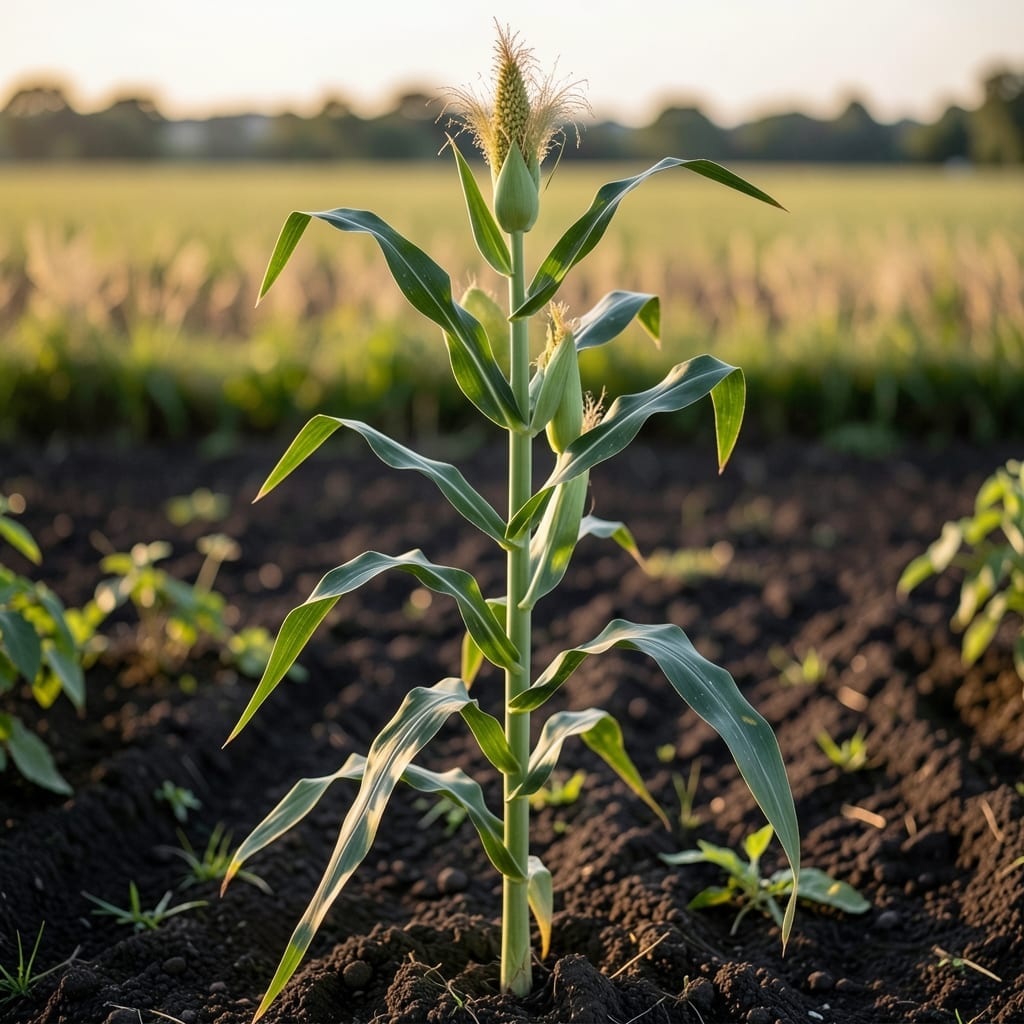
That buttery popcorn smell in your garden isn’t your imagination. I first noticed it on a quiet afternoon and spent 20 minutes sniffing every plant before finding the source.
Turns out, the Cassia Didymobotrya shrub naturally releases this scent from its foliage. Some people love it, others find it odd—but it’s completely normal for this plant.
Other culprits might include pests or diseases, but this shrub’s popcorn fragrance is its signature. No intervention needed, just enjoy the unique aroma.
If the scent seems off or overly strong, check for yellowing leaves or unusual spots—those could signal a problem worth addressing.
The buttery, popcorn-like aroma of the Cassia didymobotrya shrub (commonly called popcorn cassia) isn’t magic—it’s science! 🌿 This unique scent comes from volatile organic compounds (VOCs) released by the plant’s flowers, leaves, and sometimes stems. These compounds interact with olfactory receptors in a way that mimics the smell of warm, buttered popcorn.
The primary culprit is 2-acetyl-1-pyrroline, a compound also found in cooked popcorn and white bread. In Cassia didymobotrya, this molecule is produced in the flowers as a byproduct of amino acid metabolism, particularly during the plant’s active blooming phase. The warm, toasty notes are most potent in the late afternoon when temperatures rise, triggering higher VOC emissions.
Heat and sunlight amplify the scent. On hot days, the plant’s oils evaporate faster, releasing more aroma into the air. This is why the popcorn smell is often strongest in full sun or after a warm rain, which helps distribute the compounds. Shade or cooler temperatures may dull the fragrance.
While the flowers are the main source, the leaves and stems also contain trace amounts of scent-producing compounds. Crushing or bruising the foliage can release additional aromas, though these are usually milder than the floral scent. The plant’s natural oils, stored in glandular structures, contribute to the overall effect.
In short, the popcorn smell is a delightful quirk of nature’s chemistry—perfectly normal and a sign your Cassia didymobotrya is thriving! 🌱
If your Cassia didymobotrya (popcorn plant) is emitting an overpowering popcorn-like aroma, it’s often a sign of stress, improper care, or environmental triggers. Here’s how to address the most common causes and restore balance to your plant—and your nose! 🌿
Popcorn plants hate soggy roots. If the soil feels damp or smells musty, stop watering immediately. Remove the plant from its pot and check for root rot—trim any black, mushy roots with clean scissors. Repot in fresh, well-draining soil (a cactus/succulent mix works well). Prevention tip: Water only when the top 1–2 inches of soil are completely dry. 💡
While these plants love bright light, intense direct sun can stress them, amplifying the popcorn scent. Move your plant to a spot with bright, indirect light (east- or west-facing windows are ideal). If outdoors, provide afternoon shade. Prevention tip: Rotate the plant weekly for even light exposure. 🌞
Sudden temperature changes or drafts can trigger scent production. Keep your plant in a consistent environment (65–80°F) and away from AC vents, heaters, or drafty windows. If you’ve recently moved it, give it time to acclimate. Prevention tip: Avoid placing it near frequently opened doors or windows. 🌡️
Heavy or compacted soil can suffocate roots and stress the plant. Switch to a fast-draining mix (combine potting soil with perlite or sand). Fertilize lightly every 4–6 weeks in spring/summer with a balanced, diluted liquid fertilizer. Prevention tip: Refresh the soil every 1–2 years to prevent buildup. ✨
With these tweaks, your popcorn plant should smell more like a subtle, pleasant fragrance—and less like a movie theater! 🍿
The aroma itself isn’t toxic, but some pets may be sensitive. Keep cats and dogs from chewing the leaves, as ingestion could cause mild stomach upset.
Heat and sunlight intensify the scent. Expect the strongest aroma on warm afternoons or after watering, when the plant releases more oils.
Yes, but place it near a sunny window. It needs 6+ hours of bright light daily. Rotate occasionally for even growth.
Light pruning after flowering encourages bushier growth. Remove dead or leggy branches anytime. Use clean shears for best results.