
Beautiful Plants For Your Interior
Beautiful Plants For Your Interior
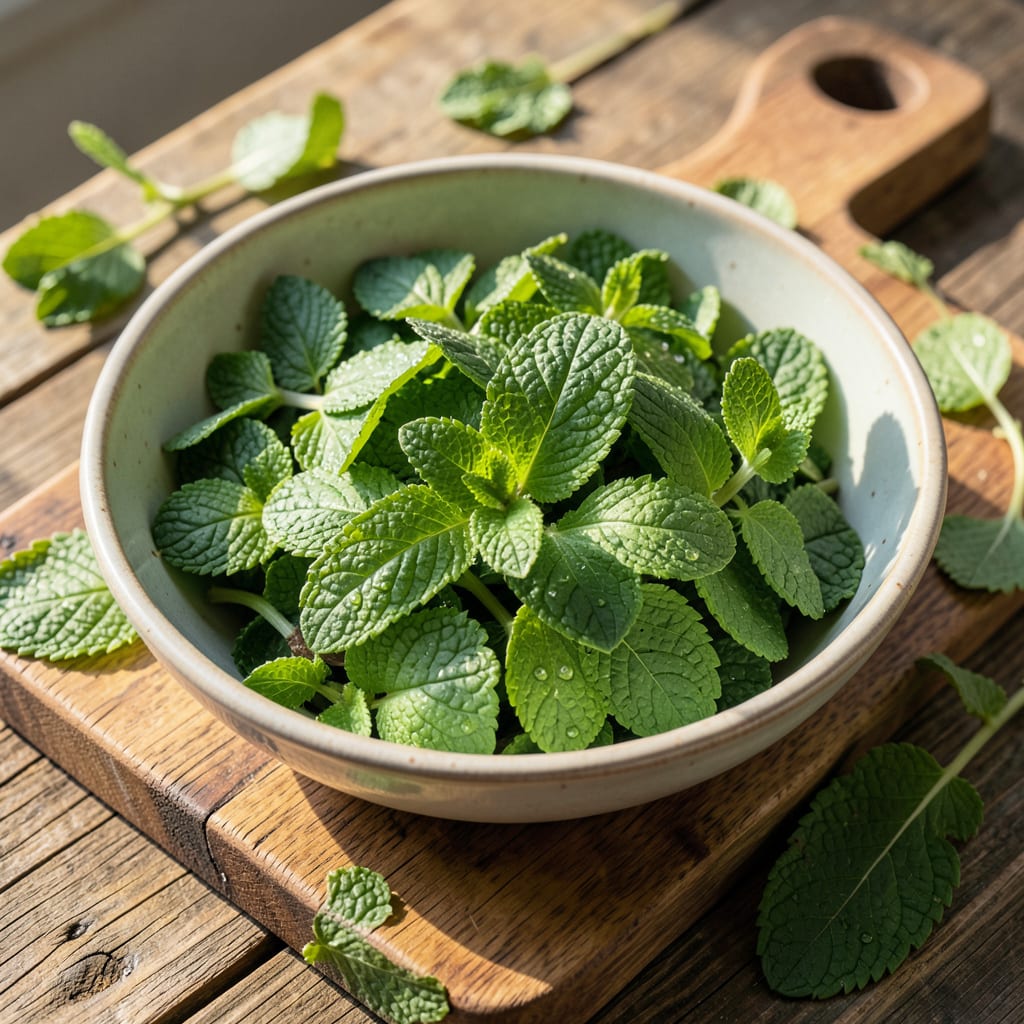
Crushing a leaf releases that familiar mint scent in an instant. I first discovered this with a simple brush against mountain mint in my garden—suddenly the air smelled like fresh gum.
These plants thrive in full sun to partial shade with well-draining soil. Most are hardy, spreading quickly if given space, and many attract pollinators while repelling pests. A low-maintenance way to add fragrance and function to your landscape.
📚 In This Guide
Use this method to confirm your find and keep these fragrant plants thriving in your garden.
Begin by observing the leaf shape and growth pattern. Most mint-scented plants have opposite leaf arrangements, where pairs of leaves emerge from the same node on the stem. Look for slightly serrated edges and a textured surface—these are hallmark traits of the Lamiaceae family.
Crush a leaf between your fingers to release the aroma. True mint relatives will emit a strong, fresh scent immediately. The leaves often appear slightly wrinkled due to the volatile oils stored beneath the surface, which create that characteristic fragrance.
Common garden plants with minty leaves include catmint, bee balm, and various oregano varieties. Catmint typically has gray-green, heart-shaped leaves with a soft, fuzzy texture. Bee balm leaves are broader, with a rougher surface and a more intense citrus-mint aroma.
Oregano and marjoram also fall into this category, though their scent leans more toward a pungent, slightly bitter mint. Compare your plant to reference images, focusing on leaf size, color, and stem structure. Note that some varieties may have purple-tinged leaves or variegated patterns.
If the plant produces flowers, examine their shape and color. Mint family members often have two-lipped, tubular blooms in shades of purple, pink, or white, arranged in dense clusters.
These plants thrive in well-draining soil with a pH between 6.0 and 7.0. To test your garden’s suitability, dig a small hole and check the soil moisture an hour after watering. If water pools or drains too quickly, amend with compost to improve structure.
Mint-scented plants prefer full sun to partial shade, with at least 4-6 hours of direct sunlight daily. Observe your plant’s response to light—leggy growth or pale leaves indicate insufficient exposure. Conversely, scorched or curled leaves suggest too much intense afternoon sun.
Water when the top inch of soil feels dry to the touch, but avoid overwatering, as soggy roots lead to rot. These plants are relatively drought-tolerant once established, but consistent moisture encourages lush growth. I water deeply once a week during dry spells, allowing the soil to dry slightly between sessions.
Prune regularly to encourage bushier growth and prevent legginess. Pinch back the tips of stems just above a leaf node to promote branching. This also delays flowering, which can extend the plant’s fragrant phase. Remove any yellowing or damaged leaves promptly to maintain plant health.
Fertilize lightly with a balanced, water-soluble fertilizer every 4-6 weeks during the growing season. Over-fertilizing can reduce the intensity of the aromatic oils, so err on the side of caution. A thin layer of mulch around the base helps retain moisture and suppress weeds.
Many mint-scented plants propagate easily from stem cuttings. Take a 4-6 inch cutting from a healthy stem just below a leaf node, and remove the lower leaves. Dip the cut end in rooting hormone (optional but helpful) and place it in a glass of water or a pot filled with moist potting mix.
Keep the cutting in a warm, bright location out of direct sunlight. Roots should appear in 2-3 weeks. Once roots are 1-2 inches long, transplant the cutting into a small pot or directly into the garden. Mist the leaves occasionally to maintain humidity and encourage growth.
Small details make a big difference when identifying and growing these aromatic plants.
The Scent Test: In Step 1, crushing a leaf between your fingers releases the volatile oils that confirm its identity. True mint-family plants will give off an immediate, strong fragrance—this is your most reliable indicator, especially when leaf shapes vary between species.
Light Requirements: The 4-6 hours of daily sunlight mentioned in Step 3 isn’t just a suggestion. If your plant develops leggy growth or pale leaves, it’s begging for more light. Conversely, if leaves scorch or curl, provide afternoon shade to protect it from intense sun.
Propagation Precision: For Step 5, remember that cuttings need warmth and humidity, not direct sunlight. Those 2-3 weeks of root development require patience—mist the leaves regularly and keep the soil consistently moist but not waterlogged to encourage growth.
Soil pH Matters: The 6.0 to 7.0 pH range in Step 3 is critical for nutrient uptake. If your soil test shows values outside this range, amend with compost or lime rather than trying to force plants to adapt. Healthy soil means fragrant, thriving plants.
Many plants, like those in the Lamiaceae family (e.g., catmint, pennyroyal), contain aromatic oils similar to mint. These oils release a fresh, minty scent when the leaves are crushed or brushed against.
No! While true mint is edible, some look-alikes (e.g., catnip, horehound) can be toxic or cause stomach upset. Always confirm the plant’s identity before consuming.
Harvest in the morning after the dew dries for peak oil concentration. Snip leaves just before the plant flowers for the strongest aroma and flavor.
Check for overwatering, poor soil drainage, or lack of sunlight. Prune regularly to encourage new growth, and ensure the plant isn’t stressed by pests or disease.
Yes! Plants like Vietnamese coriander or mountain mint offer a minty aroma without being true mint. These are great alternatives for unique flavors in cooking or teas.
