
Beautiful Plants For Your Interior
Beautiful Plants For Your Interior
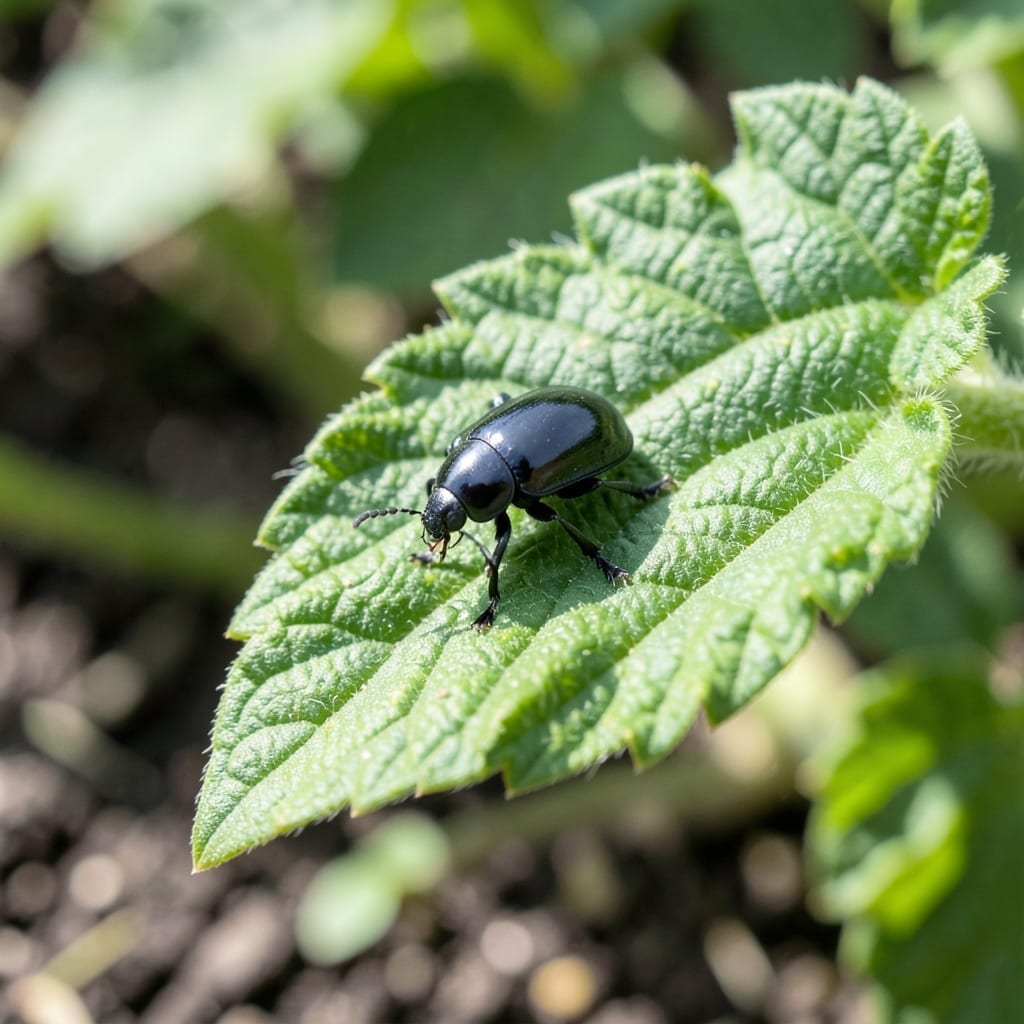
Bugs were destroying my garden until I discovered this plant-safe solution. Essential oils create a barrier that pests avoid while keeping beneficial insects unharmed.
It’s not about toxic chemicals—just the right blend of oils that insects naturally dislike. I’ve tested combinations that repel aphids, beetles, and even squash bugs without harming my plants or the bees.
Within 24 hours, you’ll notice fewer pests munching on leaves, and your garden starts thriving again. The smell is pleasant, not overpowering, and the mix is safe for edibles too.
Works for flowers, vegetables, and herbs. No harsh ingredients, just effective protection.
Understanding why insects target your garden is the first step toward plant-safe pest control. Several natural factors make plants irresistible to bugs, but science-backed solutions can help.
Plants release volatile organic compounds (VOCs) as a stress response or to attract pollinators. Unfortunately, some insects—like aphids and beetles—detect these scents from miles away, mistaking them for a free meal. Example: Over-fertilized plants emit excess nitrogen, which soft-bodied pests find irresistible.
Stagnant moisture from overwatering or poor drainage fosters fungal growth and soft soil—perfect for fungus gnats and root maggots. These pests thrive in damp environments, laying eggs in soggy soil. Actionable fix: Let the topsoil dry slightly between waterings to disrupt their lifecycle.
Monoculture gardens (growing one plant type) eliminate natural predators like ladybugs or lacewings. Without checks, pest populations explode. Science note: Studies show diverse plantings reduce pest outbreaks by 50% by confusing insects’ host-finding abilities.
By addressing these root causes, you pave the way for effective, non-toxic repellents to work even better.
Keeping pests away without harming your plants is easier than you think. Here’s how to tackle common issues and restore balance to your garden using natural, plant-friendly solutions.
Mix 1 teaspoon of mild liquid soap (like Castile) with 1 liter of water and spray directly on pests. The soap disrupts their cell membranes, causing them to dehydrate. Prevention tip: 💡 Encourage ladybugs—natural predators of aphids—by planting marigolds or dill nearby.
Combine 10 drops each of citronella, lemongrass, and peppermint oil with 1 cup of water in a spray bottle. Shake well and mist around plants. Reapply every few days or after rain. Prevention tip: ✨ Eliminate standing water where mosquitoes breed, like saucers under pots.
Dilute 1 tablespoon of neem oil in 1 liter of water with a few drops of soap (as an emulsifier). Spray the undersides of leaves, where mites hide. Prevention tip: 🌡️ Increase humidity with a pebble tray or by grouping plants together—mites thrive in dry conditions.
Create a physical barrier using crushed eggshells, diatomaceous earth, or copper tape around plant bases. These irritate or repel slugs. Prevention tip: 🎯 Water in the morning so soil is dry by evening, when slugs are most active.
Pro tip: Always test sprays on a small section of your plant first to ensure no adverse reactions. Reapply solutions after heavy rain or watering for lasting protection!
Reapply every 3-5 days or after rain, as natural oils break down quickly. For heavy infestations, daily application may be needed until pests are under control.
No, when used correctly. Avoid spraying directly on flowers or during peak bee activity (10 AM-2 PM). Target only pest-prone areas to keep pollinators safe.
Yes! Most natural repellents are food-safe. Just rinse produce thoroughly before eating. Avoid using soap sprays on edibles within 1-2 days of harvest.
Pests can build resistance. Rotate between different oils (peppermint, citronella, neem) every 2 weeks to maintain effectiveness. Always store mixes in dark bottles.