
Beautiful Plants For Your Interior
Beautiful Plants For Your Interior
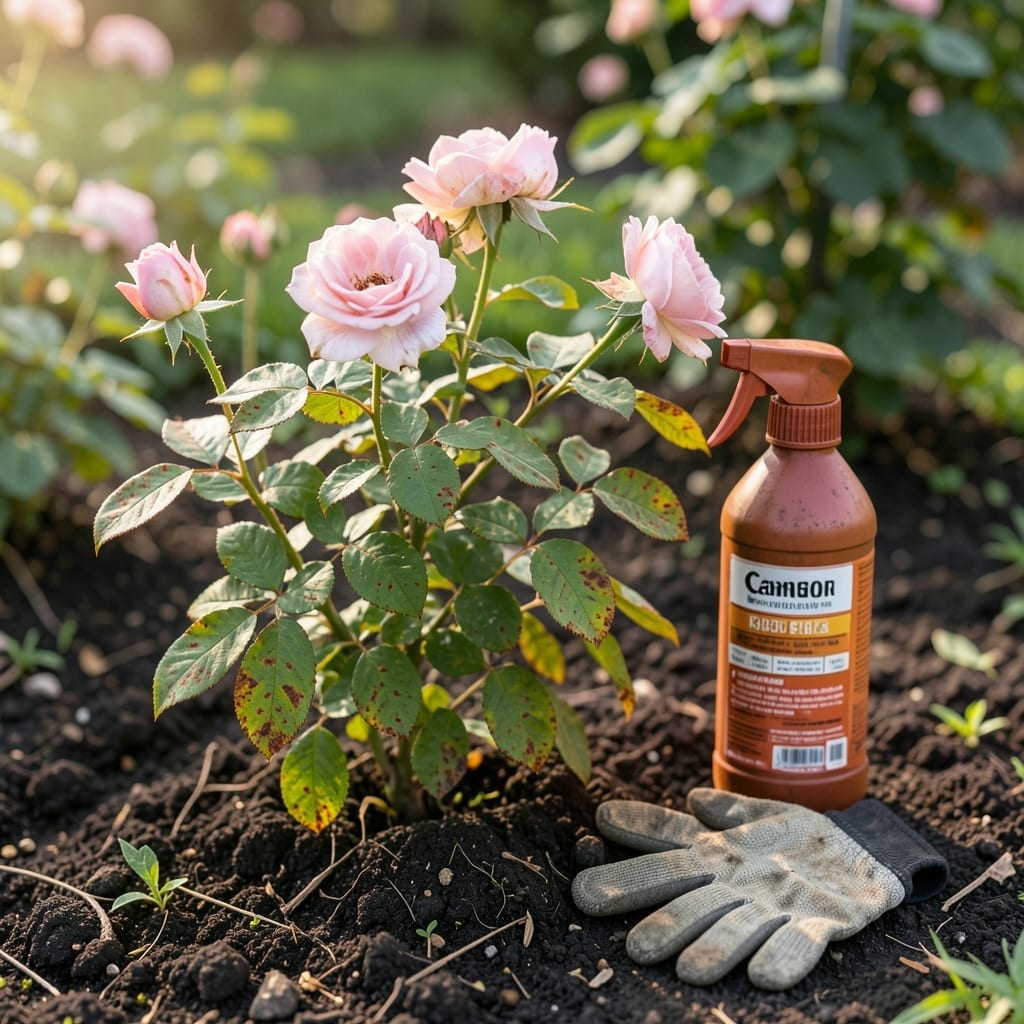
Those orange spots on your leaves aren’t just ugly—they’re a warning sign. I learned the hard way that rust fungus spreads fast, turning healthy plants into struggling ones within days.
Here’s the thing—you don’t need harsh chemicals to fight it. Simple, natural solutions can stop rust in its tracks and keep your garden thriving. The key is catching it early and acting fast.
With the right approach, you’ll see new growth return within 2-3 weeks. No more watching your plants slowly decline. Just strong, healthy foliage that resists future outbreaks.
Works for roses, tomatoes, beans, and most garden favorites. Let’s tackle this together.
Plant rust is a common fungal disease that leaves unsightly orange, yellow, or brown pustules on leaves, stems, and even fruits. Understanding its root causes helps you prevent and manage it effectively. Below are the primary reasons rust fungi thrive in your garden.
Rust fungi Puccinia spp. and others spread rapidly in damp, humid conditions. Overwatering, poor drainage, or crowded plantings create the perfect breeding ground. Water droplets on leaves provide a direct entry point for spores, while stagnant air prevents moisture from evaporating. Action: Water at the base of plants early in the day and space them properly to improve airflow.
Most rust fungi thrive in mild temperatures (60–75°F or 15–24°C) with high humidity. Sudden temperature swings, especially cool nights followed by warm days, encourage spore germination. Action: Use row covers in early spring or fall to stabilize temperatures and reduce humidity around vulnerable plants.
Rust spores overwinter in fallen leaves, stems, and garden debris. If not removed, they reactivate in the next growing season, reinfecting new growth. Action: Practice thorough garden cleanup in autumn, and avoid composting infected plant material unless your pile reaches temperatures high enough to kill spores (140°F+).
Spores easily hitch a ride on gardening tools, gloves, or even your shoes. Contaminated soil or imported plants can also introduce rust to a healthy garden. Action: Sterilize tools with a 10% bleach solution or rubbing alcohol between uses, and inspect new plants for signs of disease before planting.
Some plants are genetically more prone to rust, such as roses, hollyhocks, and certain beans. Stress from poor nutrition or improper care further weakens their defenses. Action: Opt for rust-resistant varieties when available, and maintain plant health with balanced fertilization and proper pruning.
When rust spots appear on your plants, act fast to stop the spread and restore health. Below are targeted fixes for common causes, plus prevention tips to keep your garden thriving.
Fix: Adjust your watering schedule to keep foliage dry. Water at the base of plants early in the day so leaves have time to dry. Improve drainage by amending soil with compost or sand.
Prevent: Use drip irrigation to avoid wetting leaves, and ensure containers have drainage holes.
Fix: Thin out dense plantings to improve airflow. Prune affected leaves and stems to reduce humidity around the plant.
Prevent: Space plants according to their mature size, and avoid overcrowding in garden beds.
Fix: Remove and destroy infected leaves (do not compost). Sterilize pruning tools with rubbing alcohol between cuts. Apply a natural fungicide like neem oil or copper spray to affected areas.
Prevent: Clean tools after each use, and rotate crops to avoid buildup of fungal spores in the soil.
Fix: Strengthen plants with a balanced fertilizer or compost tea to boost their natural defenses. Remove severely infected plants to protect others.
Prevent: Maintain healthy soil with organic matter, and choose rust-resistant plant varieties when possible.
Pro Tip: 🌡️ Monitor humidity levels—rust thrives in moist, warm conditions. Use a simple hygrometer to keep tabs on your garden’s environment.
Apply every 7-10 days during active outbreaks or as a preventative during humid weather. Reapply after rain.
Yes! Mix 1 tablespoon baking soda, 1 quart water, and 1 teaspoon dish soap. Spray weekly on affected leaves.
Early morning is ideal—leaves dry faster, reducing fungal spread. Avoid treating in direct sun to prevent leaf burn.
Susceptible varieties or poor airflow are common culprits. Try rust-resistant plants and improve spacing.