
Beautiful Plants For Your Interior
Beautiful Plants For Your Interior
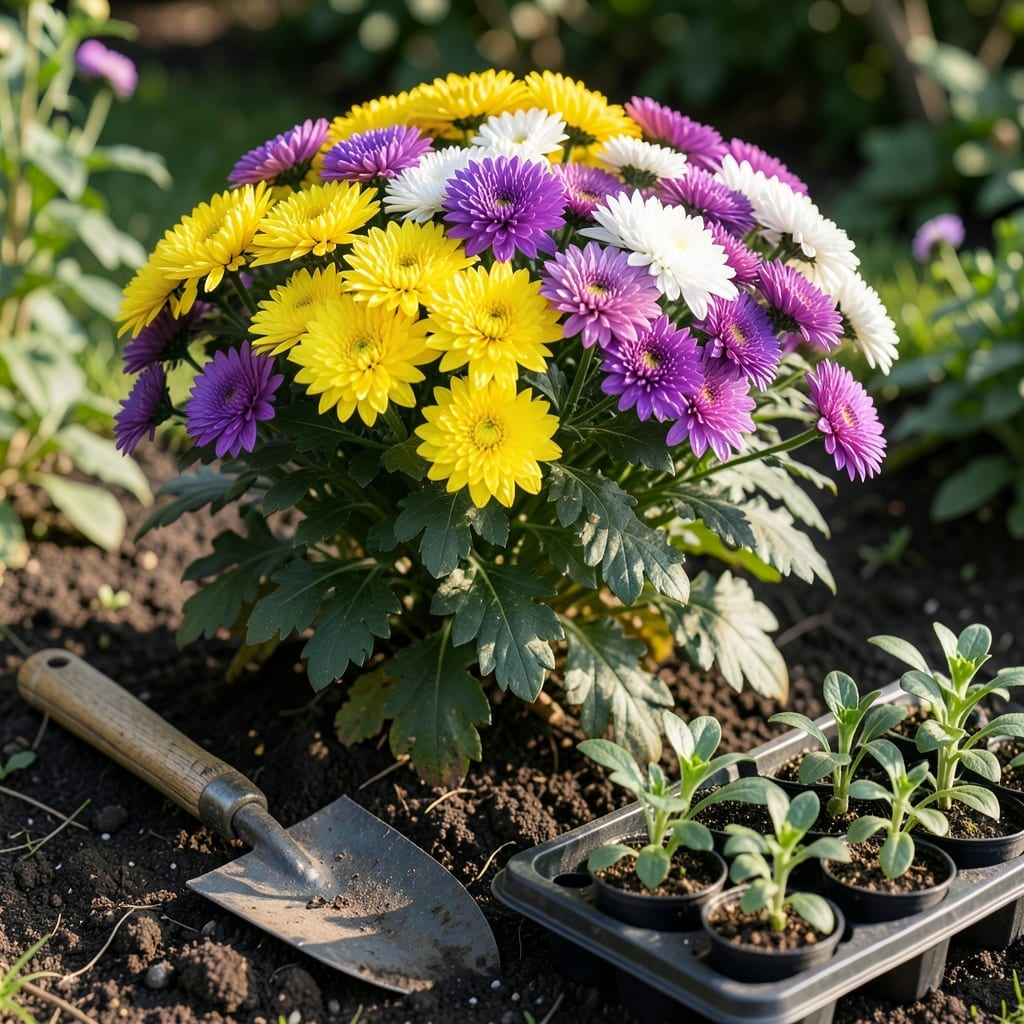
Whether you’re a seasoned gardener or just starting out, knowing if you should plant mums in sun or shade can make all the difference between lackluster blooms and a vibrant display.
The Chrysanthemum 🌼 thrives with 6+ hours of sunlight daily, but it can tolerate partial shade. This flexibility makes it a favorite for many gardeners.
I’ve seen firsthand how the right light conditions transform these plants. With proper placement, you’ll enjoy more abundant and longer-lasting flowers.
Let me guide you through the ideal lighting setup so your mums can flourish, no matter your garden’s layout.
 Best Window Placement
If you’ve ever wondered whether to plant mums in sun or shade, the short answer is that chrysanthemums love sunlight. These vibrant flowers thrive with 6+ hours of direct sun daily, which fuels their famous fall blooms. Without enough light, they often grow leggy and weak, producing fewer flowers. 🌼
However, not all mums are created equal. Garden mums (hardy types) can handle partial shade, especially in hotter climates where afternoon sun might scorch their leaves. Florist mums, on the other hand, are typically grown in controlled environments and may struggle more in low-light conditions.
| Variety | Ideal Light | Tolerance |
|---|---|---|
| Garden Mums | Full sun | Partial shade |
| Florist Mums | Full sun | Low shade tolerance |
| All Types | 6+ hours | Morning sun best |
In my experience, morning sunlight is particularly beneficial for mums. It dries the dew quickly, reducing the risk of fungal diseases. If you’re in USDA zones 5-9, aim for a south-facing spot to maximize exposure. In scorching regions, a little afternoon shade can prevent wilting. ☀️
Soil quality also plays a role in light absorption. Well-draining soil helps roots access the nutrients they need to make the most of available light. I always mix in compost when planting mums to give them a strong start.
For container-grown mums, you can move pots to follow the sun. This is especially useful if your garden has limited sunny spots. Just remember that potted mums dry out faster, so check soil moisture daily.
If your mums aren’t blooming well, light is likely the culprit. Try relocating them to a sunnier spot next season. You’ll often see a dramatic improvement in both flower quantity and vibrancy with more sun exposure. 🌻
One interesting note: Mums are photoperiodic, meaning they bloom in response to shorter days in fall. This is why they’re such reliable autumn performers, regardless of where you plant them.
For the best results, I recommend planting mums in spring. This gives them time to establish strong root systems before their fall blooming period. Fall-planted mums may struggle to survive winter in colder zones.
Finally, remember that watering needs increase with more sun exposure. Mums in full sun will need consistent moisture, while those in shade can often go longer between waterings. Always water at the base to keep leaves dry. 💧
I’ve found that chrysanthemums thrive with 6+ hours of sun, but they can adapt to partial shade. The key is adjusting care based on light availability to ensure healthy blooms and strong growth.
In full sun, mums need more frequent watering to prevent soil from drying out, while those in partial shade retain moisture longer but may grow leggy without enough light.
For full sun mums, I recommend planting in south-facing spots where they get consistent light. This boosts flower production and keeps stems sturdy, reducing the need for staking.
In partial shade, focus on soil quality. I mix in compost for nutrients and improve drainage with perlite to prevent waterlogging, which mums hate.
If your garden has full shade, don’t despair. Some hardy mum varieties like ‘Clara Curtis’ can tolerate lower light, though they’ll bloom less abundantly. I’ve had success with these in east-facing beds.
Finally, monitor your mums for signs of stress. Yellowing leaves often mean too much shade, while wilted blooms can signal insufficient water in sunny spots. Adjust as needed for the best results.
With the right approach, your mums will reward you with vibrant colors and long-lasting blooms 🌼