
Beautiful Plants For Your Interior
Beautiful Plants For Your Interior
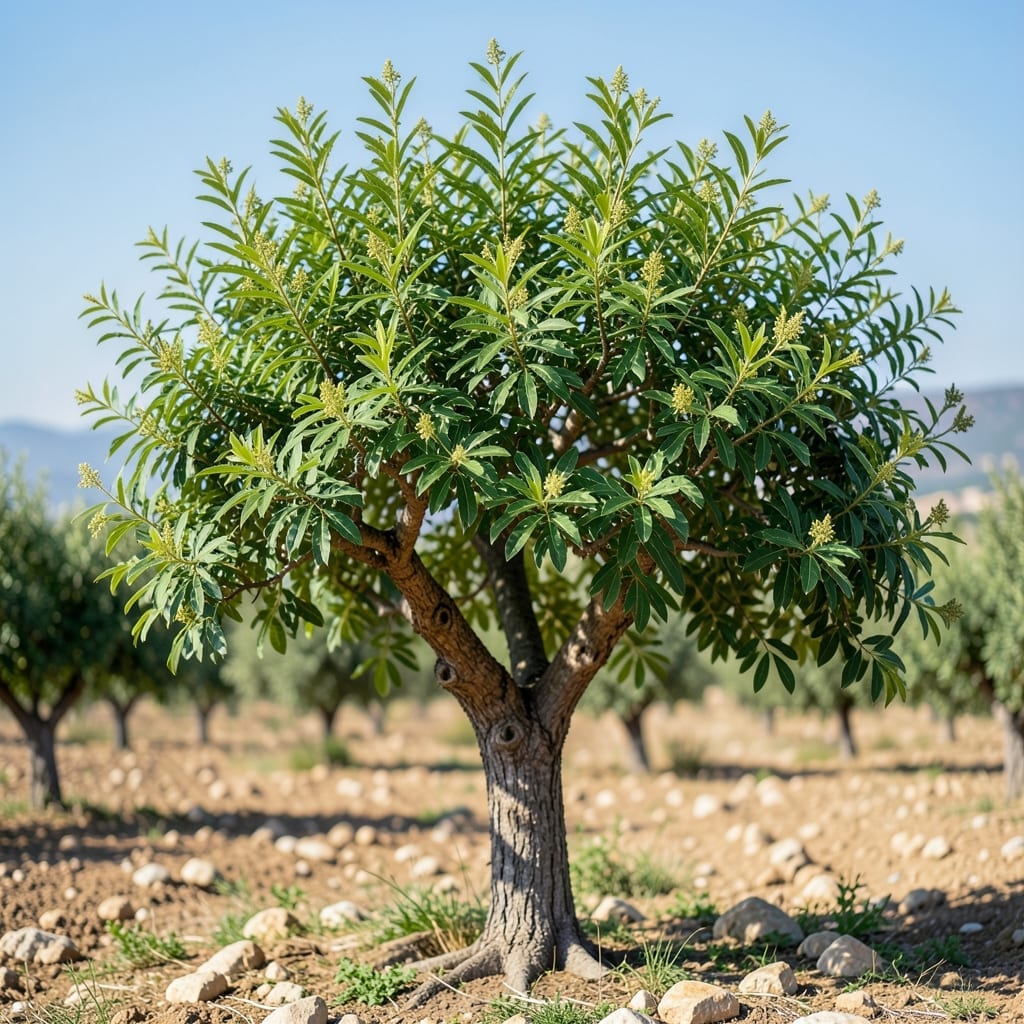
Those delicate, compound leaves tell you everything about your pistachio tree’s health. I’ve learned to read them like a roadmap—color, texture, and growth patterns reveal what the tree needs before problems escalate.
Healthy foliage means vibrant green leaves and steady growth. Spot issues early, and you’ll keep your tree thriving with minimal effort. The key is consistency in water, light, and nutrients.
📚 In This Guide
Here’s the method I rely on to keep your tree thriving with vibrant foliage.
Pistachio trees demand full sun to develop their characteristic leaf density and color. Position your tree where it receives at least 6-8 hours of direct sunlight daily. Without sufficient light, leaves turn pale and growth becomes sparse.
Watch for leaf orientation—healthy foliage angles upward toward the sun. If leaves flatten or droop, your tree likely needs more exposure. I’ve found that even partial afternoon shade can reduce leaf vitality significantly.
Established pistachio trees are drought-tolerant, but their leaves reveal stress quickly. Water deeply every 2-3 weeks during dry spells, allowing the soil to dry out between sessions. The goal is to encourage deep root growth, which directly supports leaf health.
Check moisture by digging 6 inches down—if the soil feels dry to the touch, it’s time to water. Overwatering is worse than underwatering; yellowing leaves often signal excess moisture rather than deficiency.
Apply a balanced, slow-release fertilizer in early spring, just as new leaves begin to emerge. Use a formula with equal parts nitrogen, phosphorus, and potassium (e.g., 10-10-10). The nitrogen supports lush foliage, while potassium strengthens leaf resilience against pests and disease.
Avoid high-nitrogen fertilizers in late summer—this can promote tender growth that’s vulnerable to winter damage. I’ve seen trees with excessive late-season nitrogen develop leaf scorch when temperatures drop unexpectedly.
Remove dead, diseased, or crossing branches annually to improve air circulation. This reduces humidity around the leaves, lowering the risk of fungal infections like leaf spot. Prune during dormancy in late winter, before new growth starts.
Thin out about 20-30% of the inner canopy to allow light penetration to lower leaves. This keeps the entire tree vigorous. I always sterilize pruning tools with rubbing alcohol between cuts to prevent pathogen spread.
Check leaves weekly for signs of stress: discoloration, spots, or premature drop. Pistachio trees often show iron deficiency as interveinal chlorosis (yellowing between veins), which requires soil amendments or foliar sprays.
Watch for pests like spider mites or aphids, which target leaves first. A strong blast of water can dislodge many pests, but persistent infestations may need horticultural oil. Early intervention keeps your tree’s foliage healthy and productive.
Small adjustments in your routine can make a noticeable difference in leaf health and vibrancy.
The Light Factor: The 6-8 hours of direct sunlight daily mentioned in Step 1 is non-negotiable for dense, richly colored foliage. I learned this the hard way after positioning a young tree in partial shade—its leaves remained pale and sparse until I moved it to full sun. Even a few hours of shade can significantly impact vitality.
Watering Wisdom: In Step 2, the 2-3 week watering interval might seem infrequent, but it’s designed to encourage deep root growth. Confession: I overwatered mine initially, thinking frequent watering would help. The yellowing leaves were my first clue that less is more with pistachios. Always check that 6-inch depth—if it’s dry, it’s time.
Pruning Precision: Step 4’s advice to thin 20-30% of the inner canopy isn’t just about aesthetics—it’s critical for airflow and light penetration. I was hesitant to remove so much at first, but the difference in leaf health and pest resistance after the first pruning convinced me. Sterilizing tools between cuts, as mentioned, prevents spreading disease—don’t skip this.
Yellow leaves often signal overwatering, nutrient deficiencies (like iron or zinc), or poor drainage. Check soil moisture and fertility, and adjust care accordingly. Fungal infections can also cause this, so inspect for spots or mold.
Prune in late winter or early spring before new growth starts. This helps remove damaged leaves and improves airflow, reducing disease risk. Avoid heavy pruning during active growth periods.
Yes! Pistachio leaves decompose well and add organic matter to compost. However, avoid using diseased leaves, as they can spread pathogens. Balance with other greens and browns for optimal compost health.
Brown spots may indicate fungal diseases like leaf spot or blight. Remove affected leaves, improve airflow, and apply a copper-based fungicide. Prevent future issues by avoiding overhead watering.