
Beautiful Plants For Your Interior
Beautiful Plants For Your Interior
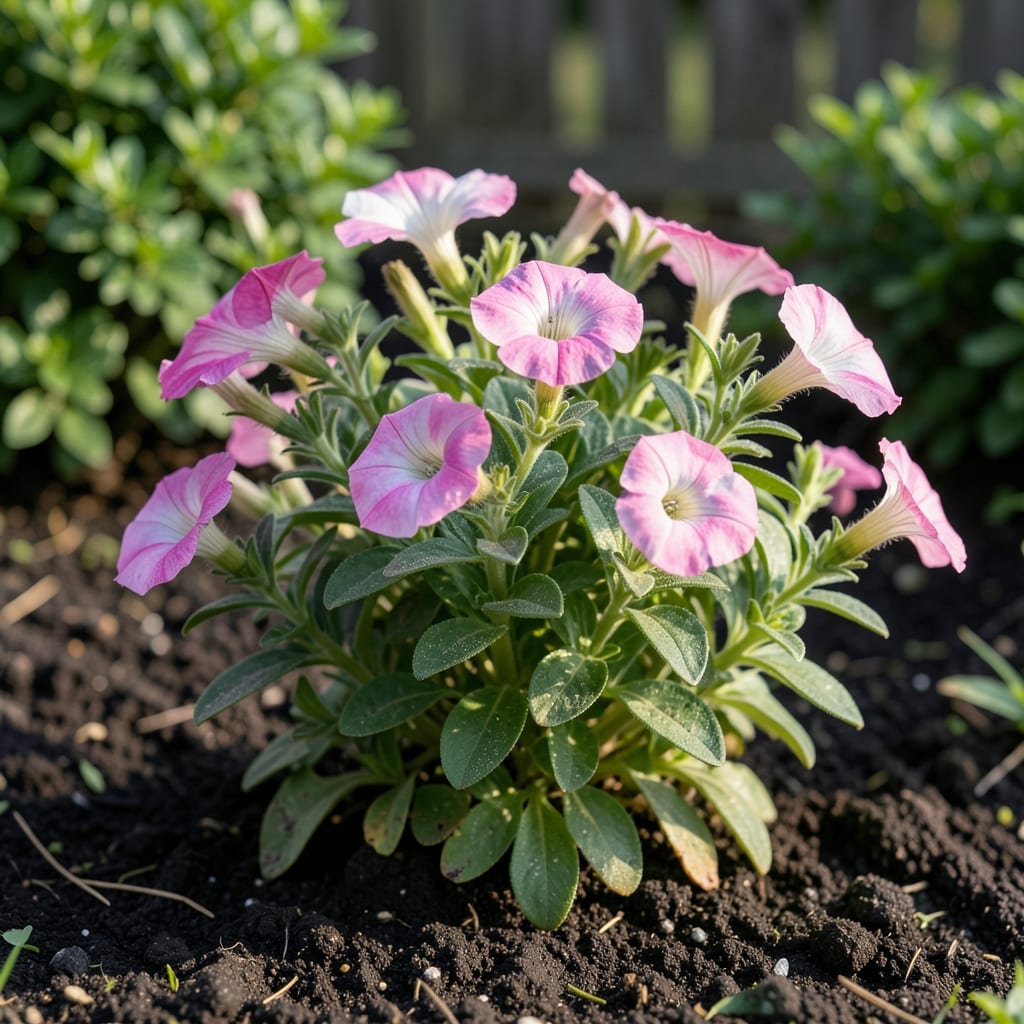
I fell for pink and white petunias the first time I saw them spilling over a hanging basket. These sun-worshippers deliver nonstop color from spring through frost with almost zero effort from you.
The key is matching them with full sun and well-draining soil. They’ll reward you with blooms that keep coming, even when other flowers fade. Perfect for borders, containers, or anywhere you want reliable, cheerful color.
📚 In This Guide
Here’s the method I use to grow vibrant, long-blooming petunias that thrive in full sun.
Select a spot with full sun—at least 6-8 hours of direct sunlight daily. Petunias love heat and will reward you with more blooms the more sun they receive. Avoid shady areas, as this leads to leggy growth and fewer flowers.
Work the soil to a depth of 8-12 inches, removing any weeds or debris. Petunias prefer well-draining soil, so if your ground is heavy clay, amend it with compost or a light potting mix to improve drainage. This prevents root rot and keeps plants healthy.
Space the plants 12-18 inches apart to allow for good air circulation. Dig a hole slightly larger than the root ball, place the plant in, and gently firm the soil around the base. Water thoroughly after planting to help settle the soil and eliminate air pockets.
If you’re planting in containers, use pots with drainage holes and a quality potting mix. Fill the container to about 1 inch below the rim to prevent water from spilling over. Petunias in containers may need more frequent watering, as pots dry out faster than garden soil.
Water petunias at the base, keeping the foliage as dry as possible to prevent fungal diseases. Aim for 1-2 inches of water per week, but adjust based on rainfall and temperature. In extreme heat, you may need to water daily to keep the soil evenly moist but not soggy.
Feed your petunias every 2-3 weeks with a balanced, water-soluble fertilizer to encourage continuous blooming. I’ve found that a fertilizer higher in phosphorus (the middle number on the label) promotes more flowers. Deadhead spent blooms regularly to keep the plants looking tidy and to encourage new growth.
Once the plants start to look leggy or overgrown, usually around mid-summer, give them a light trim. Cut back the stems by about one-third to encourage branching and more compact growth. This rejuvenates the plants and leads to a fresh flush of blooms.
Use clean, sharp scissors or pruning shears to make clean cuts. Remove any yellow or damaged leaves to keep the plants looking their best. Regular pruning also helps prevent pests and diseases by improving air circulation.
Small details make the biggest difference when growing these sun-loving flowers.
Sunlight Strategy: The 6-8 hours of daily sun in Step 1 isn’t just a suggestion—it’s essential. I learned this the hard way when my first petunias in partial shade grew tall and sparse. Full sun means more blooms and compact, healthy plants that can handle heat waves. Trust me on this.
Soil Preparation: When you’re working the soil to that 8-12 inch depth in Step 1, don’t skip adding organic matter. I mix in a generous amount of compost before planting, which gives the roots a loose, nutrient-rich environment to establish quickly. This prevents the waterlogging that petunias hate.
Planting Precision: The 12-18 inch spacing in Step 2 might seem generous, but it’s perfect for good air circulation. Crowded plants create humidity that invites fungal problems. I use the wider spacing in humid climates and the closer spacing in drier areas for best results.
Watering Wisdom: That 1-2 inches per week guideline in Step 3 is your baseline, but watch your plants closely. In extreme heat, I water my container petunias every morning, checking that the top inch of soil is dry before watering again. Overwatering is just as dangerous as underwatering with these flowers.
Water them deeply once a week, or more often in extreme heat. Ensure the soil is moist but well-drained to prevent root rot.
Plant after the last frost in spring when soil temperatures reach 60°F. They thrive in warm weather and bloom best in full sun.
Consider calibrachoa, verbena, or snapdragons for similar vibrant, trailing flowers. These also love sun and offer long-lasting color.
Lack of sunlight, over-fertilizing, or poor pruning can reduce blooms. Ensure 6+ hours of sun, trim spent flowers, and fertilize lightly.